

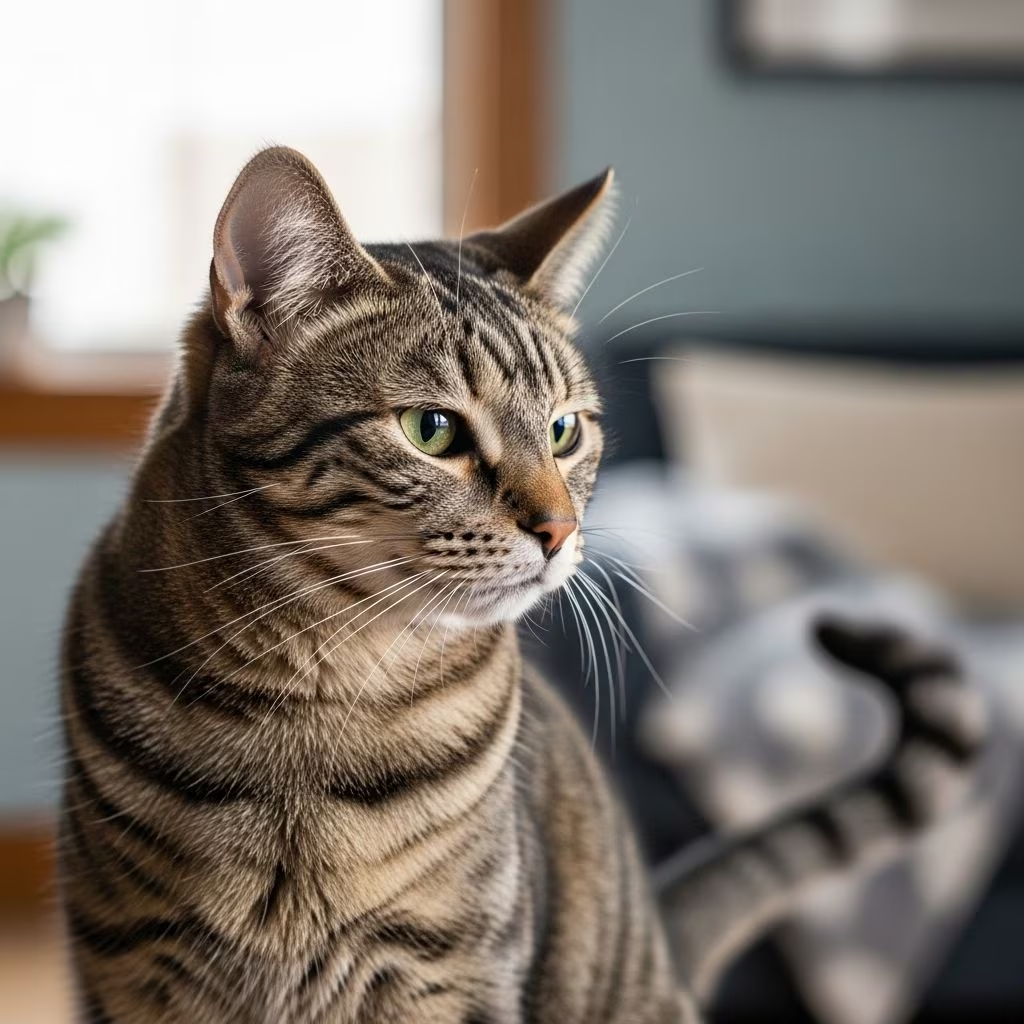
Do Cats Get Annoyed? Understanding Feline Frustration
Many cat owners wonder if their feline companions experience annoyance. The answer is a resounding yes—cats absolutely can become annoyed and frustrated. However, unlike their canine counterparts, cats often express their displeasure in subtle ways that can be easy to miss if you don’t know what to look for. Understanding when your cat is annoyed is essential for maintaining a healthy relationship with your pet and preventing behavioral problems.
Cats become frustrated when they feel they do not have control over a situation or when they cannot access their important resources. This frustration can manifest in various ways, ranging from obvious displays like hissing and growling to more subtle signs such as tail swishing and ear position changes. The key to being a responsive cat owner is learning to recognize these signals before your cat’s annoyance escalates into aggression.
Why Do Cats Get Annoyed?
Understanding the root causes of feline annoyance is the first step in preventing it. Cats are creatures of habit and control, and anything that disrupts their sense of security or prevents them from accessing what they need can trigger frustration.
Common Triggers for Cat Annoyance
- Lack of control: Cats thrive when they feel in command of their environment. When circumstances force them into situations they don’t choose, they become frustrated.
- Restricted access to resources: Inability to reach their litter box, food, water, or favorite resting spots causes significant frustration.
- Unwanted physical contact: Excessive petting or handling, especially in sensitive areas, can quickly annoy a cat.
- Environmental changes: New people, loud noises, or rearranged furniture can make cats feel unsettled.
- Feeling trapped: Cats always maintain escape routes and prefer to have options for leaving situations.
- Overstimulation: Too much playtime or interaction without breaks can push a cat past their comfort threshold.
- Dirty or inaccessible litter boxes: Cats are fastidious and demand clean bathroom facilities.
- Interference with their tail: The tail is sensitive, and many cats dislike having it touched or played with.
Recognizing the Signs Your Cat Is Annoyed
Cat frustration can manifest in numerous ways. While some signs are obvious, others are remarkably subtle. Learning to read your cat’s body language is crucial for understanding their emotional state and responding appropriately.
Tail Behavior
A cat’s tail is one of the most expressive parts of their body. When annoyed, your cat will typically flick or swish their tail rapidly back and forth. The intensity of the tail movement often correlates with how frustrated your cat is—the faster and harder the thump, the greater their annoyance. As frustration escalates toward anger, the tail movements become more aggressive and pronounced.
Ear Position Changes
Your cat’s ears are highly communicative. When your cat is feeling annoyed, their ears may rotate sideways, a position often called “airplane ears.” They might also flick their ears back and forth to demonstrate frustration. If your cat’s annoyance progresses to anger or aggressive feelings, their ears will flatten completely against their head. This is a critical warning sign—you should absolutely refrain from touching your cat when their ears are in this position, as you risk getting scratched or bitten.
Eye Contact and Staring
A cat sitting and staring directly at you could indicate annoyance. However, it’s important to consider the full context of your cat’s body language. Your cat might simply be trying to get your attention or asking for something they want. Look at their other body signals to determine whether the staring reflects frustration or just normal communication.
Puffed-Up Fur and Appearance
When a cat’s fur stands on end and they appear noticeably fluffier than normal, this signals annoyance and potential threat perception. Cats puff themselves up to appear larger and more intimidating. During these moments, your cat’s tail may take on a distinctive “bottle-brush” appearance, with the fur standing straight out. This is an excellent time to give your cat space and leave them alone.
Excessive Vocalization
While cats vocalize for many reasons, excessive meowing, purring, or yowling often indicates frustration. Your cat might be trying to communicate that they want food, outdoor access, or something else they feel is being denied to them. Changes in your cat’s normal vocal patterns are generally significant—if your typically quiet cat becomes loud or vice versa, pay attention to what might be causing this shift.
Restless or “On Edge” Behavior
A cat that seems jittery, constantly alert, or unable to settle may be experiencing frustration or anxiety. Their heightened senses and restless demeanor indicate their body is preparing for potential conflict. If your cat can’t seem to relax or appears perpetually tense, investigate what might be causing their stress.
Avoiding You
When cats become annoyed, they often withdraw from interaction. Your normally affectionate cat might avoid you, hide more than usual, or show little interest in activities you previously enjoyed together. This avoidance is a clear signal that something is bothering them.
Destructive Behavior
One of the more noticeable signs of feline frustration is destructive behavior. If your cat suddenly begins destroying things, knocking items off counters, scratching furniture, or engaging in other destructive actions, they may be venting their frustration. This behavior should never be punished—doing so will only confuse and anxiety your cat, potentially worsening the problem.
Inappropriate Urination
In some cases, frustrated cats may engage in inappropriate urination, urinating outside their litter box. This behavior can indicate significant frustration or stress and warrants investigation into what’s troubling your cat.
Understanding Cat Body Language
Cats communicate volumes through their body language. Becoming fluent in reading these signals helps you respond appropriately to your cat’s needs and emotional state.
| Body Language Signal | Meaning | Appropriate Response |
|---|---|---|
| Ears forward | Curiosity, interest, or engagement | Continue gentle interaction |
| Ears flattened or back | Fear, anxiety, or aggression | Give space immediately |
| Ears flicking back and forth | Irritation or overstimulation | Reduce interaction |
| Whiskers forward | Alert, excited, or focused | Your cat is engaged |
| Whiskers pulled back | Fear or discomfort | Stop interaction and provide space |
| Tail held high | Confidence and friendliness | Your cat is comfortable |
| Tail tucked | Fear, annoyance, or anger | Approach with caution or give space |
| Tail swishing rapidly | Frustration or agitation | Give your cat space |
What You Might Be Doing That Annoys Your Cat
Many cat owners unknowingly engage in behaviors that frustrate their feline companions. Being aware of these common annoyances can help you modify your behavior and improve your relationship with your cat.
- Infrequent litter box cleaning: Cats expect clean bathroom facilities and will become frustrated and potentially unwell if forced to use dirty boxes.
- Playing with their tail: Many cats find tail manipulation uncomfortable or bothersome, so avoid grabbing or playing with this sensitive appendage.
- Petting them when they don’t want it: Respecting your cat’s boundaries regarding touch is essential. Some cats tolerate only brief petting in specific areas.
- Forcing interaction: Attempting to play with or handle your cat when they’re not in the mood causes frustration and resentment.
- Restricting access to resources: Ensuring your cat can freely access their litter box, food, water, and resting areas prevents frustration.
- Making sudden environmental changes: Rearranging furniture or introducing new elements without gradual acclimation can disturb your cat.
- Exposing them to loud noises: Sudden loud sounds from appliances, music, or visitors can frighten and frustrate sensitive cats.
- Not providing adequate escape routes: Cats need to feel they can leave situations, so ensure they have access to multiple areas and hiding spots.
Preventing Feline Frustration
The best approach to managing your cat’s annoyance is prevention. By understanding what triggers your cat’s frustration and actively working to avoid these situations, you can significantly improve your cat’s quality of life and your relationship with them.
Creating a Cat-Friendly Environment
- Provide multiple litter boxes in different locations, cleaned daily
- Ensure access to fresh water and appropriate nutrition at all times
- Create vertical spaces where your cat can escape and observe their surroundings
- Minimize sudden loud noises and environmental disruptions
- Offer a variety of toys and mental stimulation appropriate to your cat’s preferences
- Establish predictable routines to help your cat feel secure
- Respect your cat’s personal space and boundaries regarding touch
When to Seek Professional Help
While occasional annoyance is normal, persistent frustration, aggression, or significant behavioral changes may indicate an underlying problem. Consider consulting with a veterinarian if your cat exhibits sudden changes in behavior, excessive aggression, or signs of stress. A veterinary behaviorist can help identify triggers and develop strategies to manage your cat’s frustration effectively.
Frequently Asked Questions
Q: How can you tell if a cat is unhappy?
A: Sometimes a cat makes their unhappiness obvious through crouching low, growling, hissing, and swiping at anyone nearby. Other times, signs are more subtle—including narrowed eyes, a flicking tail, and avoidance of people and other animals. Learning to recognize both obvious and subtle signs helps you address your cat’s needs promptly.
Q: Is it normal for cats to get annoyed easily?
A: Cats have different temperaments and tolerance levels. Some cats are naturally more patient and easygoing, while others are easily frustrated. Understanding your individual cat’s personality and triggers helps you manage their environment appropriately.
Q: Should I punish my cat when they’re acting out due to frustration?
A: No, punishment is never appropriate and will likely make the situation worse. Punishing your cat when they’re frustrated will only increase their anxiety and confusion about what they did wrong. Instead, focus on identifying and removing the source of frustration.
Q: Can stress cause cats to get annoyed more easily?
A: Yes, cats under stress have lower frustration thresholds and become annoyed more quickly. Identifying and reducing sources of stress in your cat’s environment can help prevent annoyance-related behaviors.
Q: How long does it take a cat to calm down when they’re annoyed?
A: This varies by individual cat. Some cats calm down within minutes of the frustration source being removed, while others may need hours. Providing a calm, quiet space where your cat can decompress helps speed recovery.
Q: Are certain cat breeds more prone to annoyance?
A: While individual personality varies more than breed tendencies, some breeds are known for higher energy or more vocal tendencies. However, any cat can become annoyed when their needs aren’t met or their boundaries are violated.
References
- 10 Subtle Signs Your Cat Is Frustrated — Cats.com. 2024. https://cats.com/frustrated-cat
- Understanding Cat Behavior: What Your Feline Friend Is Trying to Tell You — Cat and Craft Cafe. 2024. https://www.catandcraftcafe.com/understanding-cat-behavior-what-your-feline-friend-is-trying-to-tell-you
- 11 Ways You’re Annoying Your Cat Without Realizing It — Kinship. 2024. https://www.kinship.com/cat-behavior/things-that-annoy-cats
- How to Recognize Unhappy Cat Behavior — Michelson Found Animals. 2024. https://www.foundanimals.org/recognize-unhappy-cat-behavior/



