

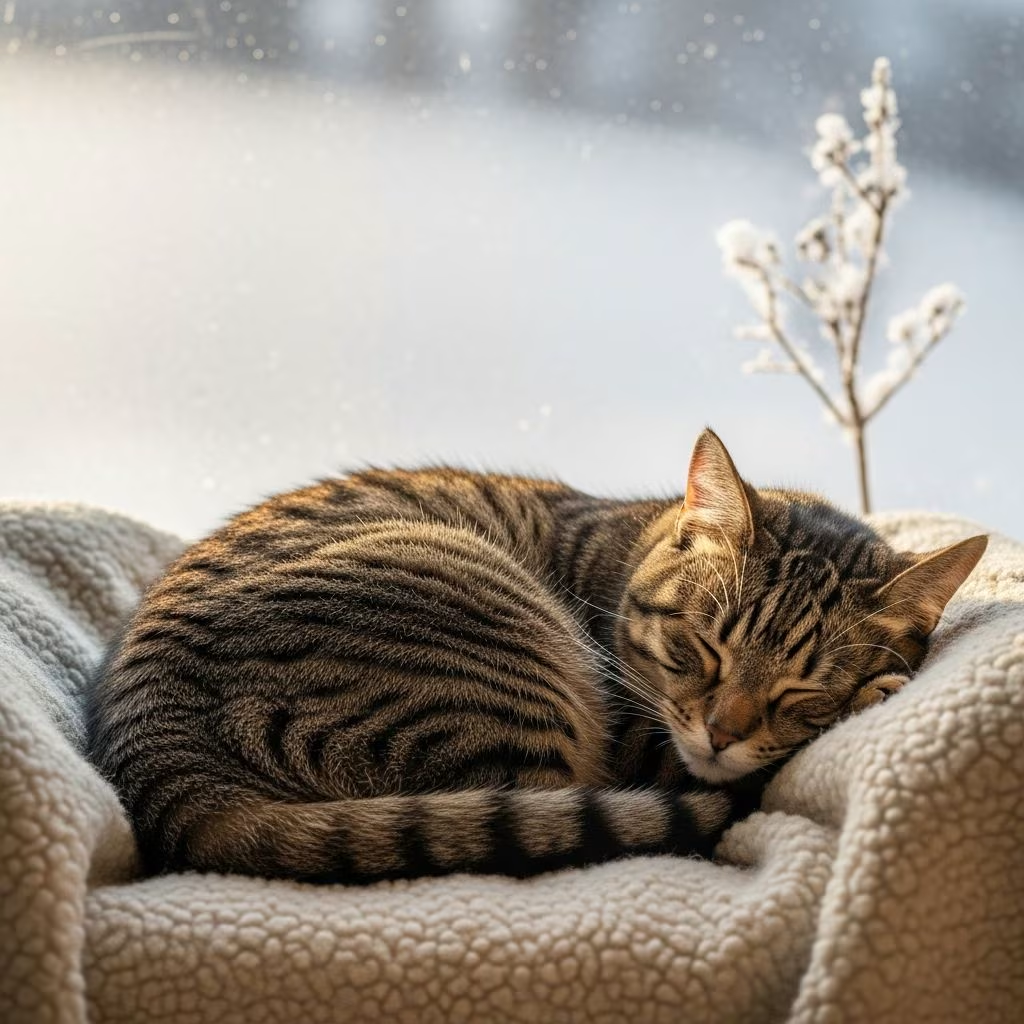
Cats commonly gain weight in winter due to increased appetite from higher energy needs for warmth, evolutionary instincts to store fat, and reduced activity levels indoors.
While humans battle slippery sidewalks and holiday indulgences, indoor cats face a subtler challenge: their natural drive to eat more when days shorten and temperatures drop. Unlike active outdoor cats that burn extra calories staying warm, many house cats lead sedentary lives, leading to unwanted pounds. Understanding this phenomenon helps pet owners prevent obesity, a risk factor for diabetes, joint issues, and heart disease in felines.
The Evolutionary Advantage of Winter Weight Gain
Winter weight gain traces back to ancestral survival strategies shared by humans and cats. In prehistoric times, food scarcity during cold months forced hunter-gatherers and wild felines to overeat when possible, building fat reserves to endure lean periods.
Wild cats faced shorter hunting windows in winter, often going days without prey. This imprinted a biological urge to ‘fatten up’ as days shorten, ensuring energy stores for survival. Domestic cats retain this instinct despite reliable kibble bowls.
Modern agriculture and heated homes have decoupled humans from this need, but cats’ biology lags behind. Their high-protein prey-based diet becomes harder to source naturally in winter when rodents hibernate, amplifying the drive to consume more.
- Key Evolutionary Triggers: Shorter daylight signals scarcity, prompting overeating.
- Hibernating prey reduces natural food availability.
- Fat stores provide insulation and sustained energy during cold snaps.
This adaptation helped wild ancestors thrive but spells trouble for pampered pets with unlimited access to food.
Why Do Cats Eat More in Winter?
Research confirms cats increase food intake by up to 15% in colder months. A four-year study of 36 domestic cats found higher consumption from October to February compared to summer dips.
Several factors drive this:
- Increased Metabolism: Cats are endotherms, generating body heat (about 101.5°F) independently. Cold exposure raises basal metabolic rate (BMR)—calories burned at rest for thermoregulation, circulation, and digestion—prompting hunger.
- Outdoor Cats Burn More: Kitties venturing outside expend extra energy shivering or seeking shelter, craving larger portions. Hairless breeds like Sphynx eat significantly more without fur insulation.
- Indoor Sedentary Lifestyle: House cats eat more without matching activity, leading to surplus calories stored as fat.
- Comfort and Instinct: Shorter days trigger ‘winter blues’ or hoarding behavior from wild roots.
Poor diet exacerbates this; grain-heavy dry foods with fillers leave cats unsatisfied, promoting overeating. High-protein wet food better mimics natural satiety.
Do Cats Need More Calories in Winter?
Not all cats require extra rations. Needs vary by lifestyle, breed, age, and health.
| Cat Type | Winter Calorie Adjustment | Reason |
|---|---|---|
| Outdoor/Active | +10-15% | Higher BMR for warmth; extra hunting energy. |
| Indoor/Sedentary | No increase or reduce | Low activity; risk of obesity from static intake. |
| Senior/Overweight | Maintain or cut 10% | Slower metabolism; joint pain limits movement. |
| Hairless (e.g., Sphynx) | +20-30% | Poor insulation demands more thermogenesis. |
Monitor body condition: Feel ribs (should be palpable without excess fat) and observe waistline. Adjust portions accordingly, consulting a vet for precision.
Signs Your Cat Is Gaining Too Much Winter Weight
Obesity sneaks up subtly in fluffy-coated cats. Check these indicators:
- Ribs hard to feel under fat layer.
- No visible waist when viewed from above.
- Round belly sagging toward ground.
- Reluctance to jump or play; increased lethargy beyond normal 18-hour sleep.
- Spine less defined when running hands along back.
Weigh monthly. A 1-2 pound gain over winter warrants intervention to avoid health risks like type 2 diabetes or arthritis.
How to Prevent Winter Weight Gain in Cats
Proactive steps counter natural tendencies without denying needs.
Portion Control and Feeding Strategies
Switch from free-grazing to measured meals 3-4 times daily. Use puzzle feeders to mimic hunting, slowing intake and boosting mental stimulation.
Reduce treats to 10% of calories; opt for low-cal veggies like cucumber if needed.
Boost Indoor Exercise
Cats sleep 18+ hours but thrive on play. Dedicate 15-20 minutes daily to interactive toys:
- Laser pointers for chasing.
- Feather wands or catnip mice.
- Window perches for bird-watching ‘hunts’.
- Vertical spaces like cat trees for climbing.
Schedule sessions before meals to enhance satiety.
Diet Optimization for Winter
No seasonal formula needed if baseline is species-appropriate. Prioritize:
- 50%+ Animal Protein: Chicken, turkey, fish for taurine (circulation, heart health).
- Omega-3 Rich Foods: Salmon, sardines regulate temperature, soothe joints, combat dry skin.
- Wet Food Preference: Hydrates, reduces calories vs. dry (often carb-laden).
- Avoid Fillers: Grains, sugars trigger endless hunger.
Sample Daily Intake (Adult 10lb Cat):
| Activity Level | Calories/Day | Food Example |
|---|---|---|
| Sedentary Indoor | 200-220 | 5.5oz wet food + play |
| Active Indoor | 240-260 | 6.5oz wet + measured dry |
| Outdoor | 280-300 | 7oz wet + free-feed safe prey mimic |
Environmental Tweaks
Provide heated beds or blankets to ease thermoregulation burden. Maintain 68-77°F indoors for comfort without excess eating.
Health Risks of Feline Winter Weight Gain
Excess pounds strain:
- Joints/Arthritis: Cold exacerbates pain in overweight cats.
- Diabetes: Insulin resistance from fat buildup.
- Heart Disease: Extra load on cardiovascular system.
- Skin Issues: Dull coat, hairballs from poor protein/omega-3.
- UTI/Bladder Stones: Obesity links to urinary woes.
Annual vet checkups catch issues early.
Frequently Asked Questions (FAQs)
Do all cats gain weight in winter?
No, active outdoor cats may maintain weight by burning calories for warmth. Indoor cats are most at risk due to low activity.
Should I feed my indoor cat more in winter?
Generally no—increase only if body condition score drops. Cut portions by 10% if gaining.
How much more do cats eat in winter?
Studies show up to 15% more intake October-February vs. summer.
What diet prevents winter weight gain?
High-protein (50%+), grain-free wet food with omega-3s like fish. Portion control essential.
My cat won’t eat in winter—is that normal?
Briefly yes, but prolonged refusal signals illness. Encourage with warmed wet food and play.
Can exercise offset winter eating?
Yes—daily 15-minute play burns calories matching increased intake.
References
- Do Cats Eat More in Winter? — Untamed. 2023. https://untamed.com/blogs/nutrition/do-cats-eat-more-in-winter
- Do Cats Eat More in The Winter & Colder Months? — Bella+Duke. 2023. https://www.bellaandduke.com/cats/expert-advice/cat-health/do-cats-eat-more-in-the-winter/
- Do Cats Gain Weight in the Winter? Vet Approved Advice — Catster. 2023. https://www.catster.com/cat-health-care/do-cats-gain-weight-in-winter/
- Trim The Fat: Keeping Pet Winter Weight Gain At Bay — DuPont Veterinary Clinic. 2023. https://www.dupontvet.com/blog/trim-the-fat-keeping-pet-winter-weight-gain-at-bay/
- Winter Weight Gain – You and Your Pet — PetMD. 2023. https://www.petmd.com/dog/seasonal/evr_dg_winter_weight_gain



