

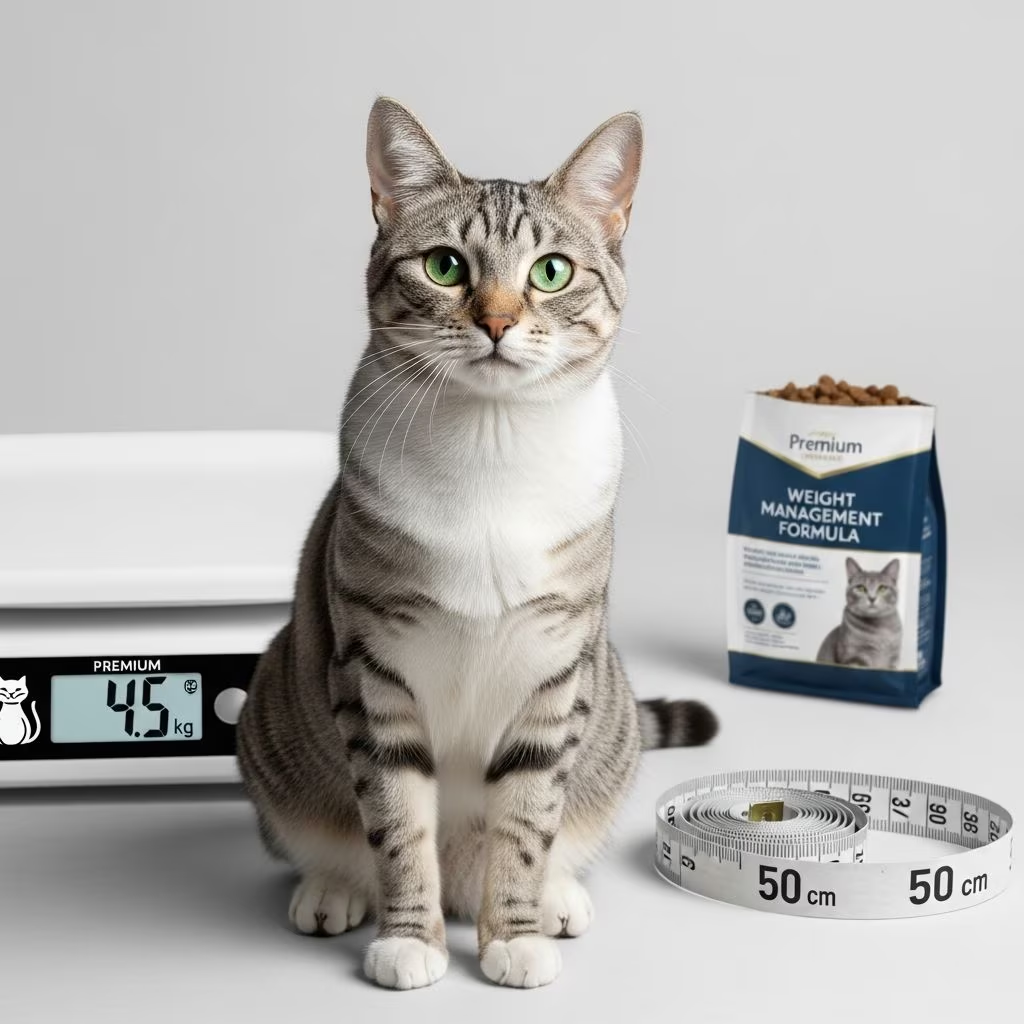
Do Cats Gain Weight After Being Spayed?
Spaying is one of the most important decisions you can make for your cat’s health and longevity. This surgical procedure prevents unwanted pregnancies, eliminates the risk of ovarian and uterine cancers, and reduces behavioral issues associated with being in heat. However, one of the most common concerns among cat owners is whether their beloved feline will gain weight after spaying. The short answer is: it’s possible, but it’s not inevitable. Understanding the reasons behind post-spay weight gain and implementing proper management strategies can help your cat maintain a healthy weight throughout her life.
Understanding the Hormonal Changes After Spaying
The most significant factor contributing to weight gain after spaying is the dramatic hormonal change that occurs in your cat’s body. When a female cat is spayed, her ovaries are removed. These ovaries are responsible for producing estrogen, a key hormone that plays a crucial role in metabolism and appetite regulation. The removal of this hormone creates several physiological changes that can directly impact your cat’s weight.
Decreased Metabolic Rate
One of the most important hormonal effects of spaying is the reduction in metabolic rate. Estrogen contributes to a higher metabolic rate in intact (unspayed) female cats. Without estrogen, a spayed cat’s metabolism can slow down by as much as 20-30%. Research shows that neutered cats have a 28-33% lower metabolic rate compared to intact cats. This means your spayed cat burns fewer calories at rest than she did before the surgery. If her caloric intake remains the same, those unburned calories are stored as fat.
Increased Appetite
While not universally true for all cats, some studies suggest that the absence of ovarian hormones can lead to a slight increase in appetite in some spayed females. After sterilization, pets may experience a surge in hunger due to reduced estrogen levels, which normally suppress appetite. Studies show that neutered female dogs eat more food than intact females when fed identical diets. This combination of a slower metabolism and potentially increased hunger creates a perfect storm for weight gain if not managed properly.
Changes in Eating Behavior Post-Surgery
Beyond hormonal changes, spayed cats often exhibit significant changes in eating behavior following their surgery. Research has documented fascinating patterns in post-spay food intake. In one study involving female cats, spayed kittens ate significantly more four weeks after the surgery, well after they had healed; this effect peaked 10 weeks after the spay. By 18 weeks post-surgery, spayed and non-spayed females were eating similar amounts. However, the damage to weight management had often already occurred by that point.
Another study on male cats showed a dramatic increase in food intake in some cats during the first week post-surgery, with some cats experiencing a 10 percent increase in body weight. The exact reason cats eat more after spaying and neutering remains somewhat unclear, but it’s theorized to relate to the hormonal changes occurring in their bodies. What we do know is that portion control post-spaying and neutering is VERY important to prevent cats from gaining weight.
Reduced Physical Activity and Energy Needs
In addition to hormonal changes, spayed cats often experience reduced physical activity. Male pets, especially those who were previously allowed to roam, may become less active post-neutering because they no longer exhibit roaming or mating behaviors driven by testosterone. While this is a behavioral benefit of sterilization, it also means fewer calories are burned through daily activity. Combined, a lower metabolic rate and decreased physical activity create an energy imbalance. If the calories coming in (from food) exceed the calories going out (through metabolism and activity), weight gain is inevitable.
It’s important to note that spayed and neutered cats require significantly fewer calories than intact animals. The “multiplier” for a typical spayed or neutered cat is 1.2, while that for an intact individual is 1.4, which leads to a Maintenance Energy Requirement (MER) of approximately 261 kcal/day for the former and 305 kcal/day for the latter. This translates to a need for approximately 20% to 30% less calories each day.
The Obesity Risk: Why Weight Management Matters
While a little weight gain might seem harmless, obesity in cats is a serious health concern. After spaying or neutering, cats are three times more likely to become obese. As many as 60% of pets are overweight, making this a widespread issue in the pet population. An overweight or obese cat is at a significantly higher risk for numerous health problems, including:
- Diabetes Mellitus: Excess body fat can lead to insulin resistance and diabetes, a serious and costly condition requiring lifelong management.
- Joint Problems: Extra weight puts undue stress on joints, exacerbating conditions like arthritis and reducing mobility.
- Urinary Tract Disease: Increased risk of urinary stones and other urinary issues, which can become life-threatening if untreated.
- Liver Disease (Hepatic Lipidosis): A severe and potentially fatal condition that can develop in overweight cats, particularly when they stop eating.
- Heart Disease: Extra strain on the cardiovascular system can lead to serious cardiac complications.
- Reduced Quality of Life: Overweight cats may be less playful, less mobile, and generally less comfortable in their daily activities.
Additionally, spayed cats also move and drink less, which increases the risk of diabetes and bladder stones. Therefore, proactively managing your spayed cat’s weight is crucial for her overall health and longevity.
Managing Weight After Spaying: A Proactive Approach
The good news is that post-spay weight gain is entirely manageable and preventable with a few proactive adjustments. It requires a mindful approach to diet and exercise. Here are the key strategies to maintain your cat’s healthy weight:
Adjust Caloric Intake
This is often the most critical step in managing post-spay weight. After surgery, reduce your pet’s caloric intake by 20-30%, as their energy needs decrease significantly. Consult your veterinarian about the appropriate daily caloric intake for your spayed cat. They might recommend switching to a “weight management,” “indoor,” or “spayed/neutered” specific cat food, which often has a slightly lower calorie density but still provides all necessary nutrients.
Implement Portion Control
Many pet owners are unaware that spayed and neutered pets require fewer calories than intact animals. Without adjusting portion sizes or feeding habits post-surgery, pets can quickly gain weight. Consider restricting your cat’s portions for 4-5 months after it has been spayed or neutered to help prevent weight gain. Many veterinarians argue that meal feeding is a healthier alternative for cats throughout most of their lives in comparison to free choice feeding.
Encourage Regular Exercise
Maintaining your cat’s physical activity level is essential for preventing weight gain. Engage your spayed cat in regular play sessions, interactive toys, and activities that encourage movement. This helps maintain muscle mass and burns calories that would otherwise be stored as fat.
Monitor Body Condition Regularly
Check your cat’s body condition regularly by feeling her ribs and spine. You should be able to feel them easily without pressing hard. If they’re hidden under a layer of fat, your cat may be gaining too much weight. Regular veterinary check-ups can help track weight trends and catch any issues early.
Timeline of Weight Gain After Spaying
Understanding the timeline of weight gain can help you prepare and implement prevention strategies at the right time. Studies report that cats have acute changes in intake post-neuter when fed ad libitum (free access to food), gaining body weight and fat mass within 8-12 weeks of neutering. This rapid weight gain may persist throughout the individual’s adult life if not properly managed.
In female cats specifically, the peak effect of increased eating occurs around 10 weeks after spaying, but it can begin within a few weeks if calorie intake isn’t adjusted. This means the most critical window for intervention is immediately following surgery and extending through the first 4-5 months of recovery.
Important Considerations About Weight Gain
It’s crucial to understand that post-spay weight gain isn’t a “fault” of the spay surgery itself, but a natural physiological response to the removal of reproductive organs. It’s a trade-off for the substantial health benefits gained through spaying, including prevention of cancer and reproductive diseases.
Additionally, obesity is more than just a concern for spayed cats. While spayed and neutered pets are at a higher risk of obesity due to hormonal changes affecting metabolism and appetite, the risk is not exclusive to them. Intact pets can also become obese if their diet and activity levels are not properly managed. Factors such as overfeeding, lack of exercise, breed predisposition, and owner habits play significant roles in obesity for all pets, regardless of their sterilization status.
Frequently Asked Questions
Q: Can spaying alone cause weight gain in cats?
A: Spaying alone doesn’t directly cause weight gain, but it creates hormonal and metabolic conditions that make weight gain more likely. The key is managing diet and exercise after surgery. Without adjustments to food intake and activity levels, weight gain is more probable, but it’s entirely preventable with proper care.
Q: How much weight do cats typically gain after spaying?
A: The amount of weight gain varies from cat to cat, but some studies have shown body weight increases of up to 10% in the first week post-surgery in some cats. However, with proper management of diet and exercise, many cats maintain healthy weights. Regular monitoring with your veterinarian can help track your individual cat’s weight trends.
Q: When should I adjust my cat’s food after spaying?
A: You should begin adjusting your cat’s food immediately after spaying. Work with your veterinarian to determine the appropriate caloric reduction (typically 20-30% fewer calories). Since peak appetite increase occurs around 10 weeks post-spay, maintaining portion control through this period is especially important.
Q: Are there specific cat foods for spayed cats?
A: Yes, many manufacturers offer “spayed/neutered,” “weight management,” or “indoor” cat foods specifically formulated for cats with lower energy needs. These foods often have slightly lower calorie density while still providing complete nutrition. Ask your veterinarian which option might be best for your cat.
Q: What if my spayed cat is already overweight?
A: If your cat is already overweight, consult with your veterinarian about a weight management plan. Gradual weight loss through controlled portions and increased exercise is typically recommended. Your vet may suggest a therapeutic weight loss diet or other interventions depending on your cat’s specific situation.
Q: Can spayed cats be kept at a healthy weight?
A: Absolutely. With proper diet management, portion control, regular exercise, and veterinary monitoring, spayed cats can maintain healthy weights throughout their lives. The key is being proactive rather than reactive about weight management after surgery.
Conclusion
Spaying is an essential part of responsible cat ownership, offering numerous health benefits including prevention of cancer and reproductive diseases. While weight gain is a common concern after spaying, it is entirely preventable with proper care. By understanding the hormonal and metabolic changes that occur, implementing portion control immediately after surgery, encouraging regular exercise, and monitoring your cat’s body condition, you can ensure your spayed feline friend remains at a healthy weight, enjoying a long, active, and fulfilling life.
References
- Why do female cats get bigger after being spayed? — ACH Animal Hospital Walnut Creek. 2024. https://www.achwalnutcreek.com/why-do-female-cats-get-bigger-after-being-spayed/
- Why Spayed/Neutered Pets Are More Prone to Weight Gain — Spay Neuter Vets. 2024. https://www.spayneutervets.com/blog/weight-gain-after-spay-neuter
- Does Spaying and Neutering Make Cats Fat — PetMD. 2012. https://www.petmd.com/blogs/nutritionnuggets/cat/jcoates/2012/aug/does_spaying_neutering_make_cats_fat-26756
- Sterilization of cats: how to limit weight gain? — Ziggy Family. 2024. https://ziggyfamily.com/en/blogs/cats/sterilization-of-cats-how-to-avoid-weight-gain
- How to protect your cat from weight gain after neutering or spaying? — Versele-Laga. 2024. https://www.versele-laga.com/en/gb/for-your-animal/cats/care/how-do-you-protect-your-cat-from-weight-gain
- Time of Neutering’s Impact on Kitten Weight Gain & Energy Intake — National Center for Biotechnology Information. 2017. https://pmc.ncbi.nlm.nih.gov/articles/PMC5468748/
- Why Female Cats May Gain Weight After Spaying — Dogwood Animal Hospital. 2024. https://dogwoodanimalhospital.com/female-cats-gain-weight-after-spaying/



