

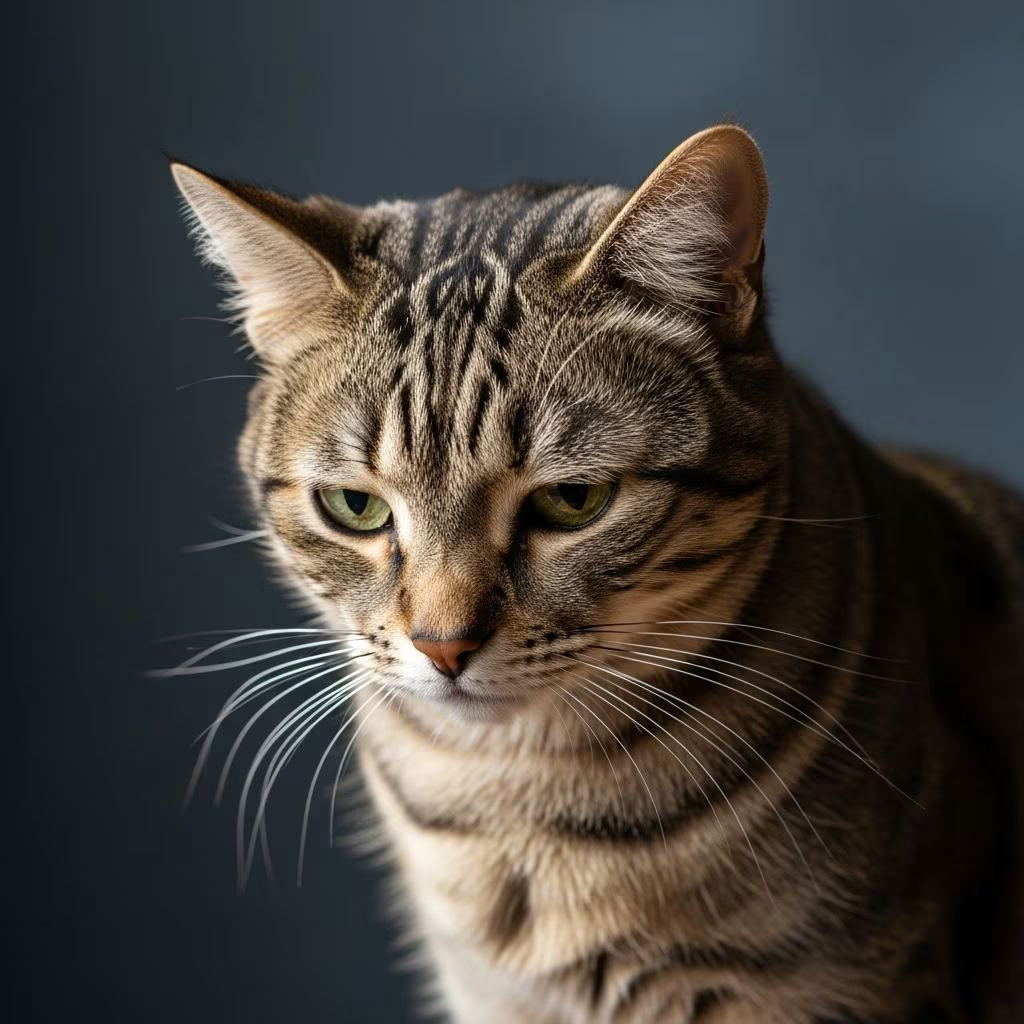
Cats can indeed experience emotions akin to sadness or depression, often shown through subtle behavioral changes rather than overt displays. Recognizing these signs early allows owners to address underlying issues, improving their pet’s quality of life.
Can Cats Feel Emotions Like Sadness?
Cats possess complex emotional lives, capable of feeling stress, grief, and what resembles depression. Unlike dogs, who express joy with tail wags, cats convey sadness quietly through shifts in routine, such as increased hiding or lethargy. Research and veterinary observations confirm cats form attachments and react to losses or changes with emotional distress. Prolonged sadness impacts physical health, weakening immunity and leading to conditions like fatty liver disease if appetite wanes.
Emotional health ties closely to physical well-being in felines. Stress hormones elevate during sadness, potentially causing overgrooming, aggression, or illness. Owners often overlook these signs, mistaking them for aging or laziness.
Signs Your Cat Might Be Sad
Detecting sadness requires observing deviations from normal behavior. Cats don’t cry or sulk visibly, but patterns emerge:
- Withdrawal or Hiding: Social cats may isolate in closets or under beds, avoiding interaction.
- Appetite Changes: Reduced eating leads to weight loss; some overeat from stress.
- Sleep Pattern Shifts: Excessive sleeping beyond their 12-16 daily hours or restless nights signal distress.
- Reduced Playfulness: Loss of interest in toys or chasing indicates emotional disengagement.
- Vocal Changes: Increased meowing, yowling, or sudden silence deviates from baseline.
- Grooming Alterations: Overgrooming causes bald spots; neglect results in matted fur.
- Aggression or Avoidance: Hissing, swatting, or fleeing from familiar people.
- Inappropriate Elimination: Urinating outside the litter box or marking indoors.
These signs often cluster. A table below summarizes common indicators:
| Sign | Description | Potential Severity |
|---|---|---|
| Withdrawal | Hiding more, avoiding pets | High – early depression marker |
| Appetite Loss | Eats less, weight drops | Critical – risks fatty liver |
| Excess Sleep | Sleeps in odd spots excessively | Moderate |
| No Play | Ignores toys/hunting | High – indicates anhedonia |
| Grooming Issues | Bald patches or dirty coat | Moderate – stress-related |
Common Causes of Sadness in Cats
Sadness stems from environmental, social, or health factors. Identifying the trigger is key to resolution.
- Loss of Companion: Grief over a deceased pet or human; cats search for scents or linger in shared spots.
- Routine Disruptions: Moves, schedule changes, renovations unsettle routine-loving cats.
- Boredom or Confinement: Indoor-only life without stimulation leads to lethargy.
- Health Issues: Pain from arthritis, dental disease, or infections mimics sadness; thyroid or cancer affects mood.
- Injury or Pain: Limits activity, causing frustration and withdrawal.
Veterinarians emphasize ruling out medical causes first, as pain is underdiagnosed in cats.
How to Tell if It’s Sadness or Illness
Behavioral shifts overlap with medical problems. Sudden appetite loss or aggression warrants a vet visit to exclude diseases like hyperthyroidism or urinary issues. Diagnostic steps include bloodwork and exams. If cleared medically, emotional interventions follow. Chronic cases may need anti-anxiety meds or behaviorists.
How to Help a Sad Cat
Intervene promptly with these strategies:
- Enrich Environment: Add cat trees, puzzles, window perches for stimulation.
- Maintain Routine: Consistent feeding, playtimes reduce anxiety.
- Increase Interaction: Gentle play sessions rebuild bonds; use interactive toys.
- Provide Safe Outdoor Access: Catio enclosures offer fresh air without risks.
- Pheromone Diffusers: Synthetic feline pheromones calm nerves.
- Diet Adjustments: Nutrient-rich food supports mood; omega-3s aid brain health.
- Professional Help: Vet or behaviorist for persistent issues.
Monitor progress over weeks. Most cats rebound with changes, but hepatic lipidosis from starvation is fatal if ignored.
Preventing Sadness in Cats
Proactive care minimizes risks:
- Regular vet checkups catch issues early.
- Multi-level homes with scratching posts.
- Socialization from kittenhood.
- Gradual introductions for new pets/humans.
- Mental stimulation via food puzzles, training.
Safe enclosures like catios boost mood by mimicking natural exploration.
Frequently Asked Questions (FAQs)
Can cats get depressed?
Yes, cats experience depression-like states from grief, boredom, or illness, shown by withdrawal and appetite changes.
What are the signs of a sad cat?
Key signs include hiding, eating less, sleeping more, reduced play, vocal shifts, and grooming changes.
Can cats die from sadness?
Not directly, but refusal to eat can cause life-threatening fatty liver disease.
How long does cat grief last?
Typically weeks to months; support speeds recovery.
Is my cat sad or sick?
Vet evaluation rules out illness; behavioral therapy follows if emotional.
How do I cheer up my cat?
Enrich environment, play daily, maintain routines, consider pheromone aids.
References
- How to Know If My Cat Is Sad — The Catio Company. 2023-05-15. https://www.thecattopia.com/blog/how-to-know-if-my-cat-is-sad/
- Why Is My Cat Sad? — WebMD. 2024-08-20. https://www.webmd.com/pets/cats/why-is-my-cat-sad
- Think Your Cat Is Depressed? 13 Signs You Have a Sad Cat — Chewy. 2024-03-12. https://www.chewy.com/education/cat/health-and-wellness/signs-cat-is-depressed
- How to Tell if a Cat Is Depressed — YouTube (Vet-oriented channel). 2018-07-10. https://www.youtube.com/watch?v=OVbES9NeprM



