

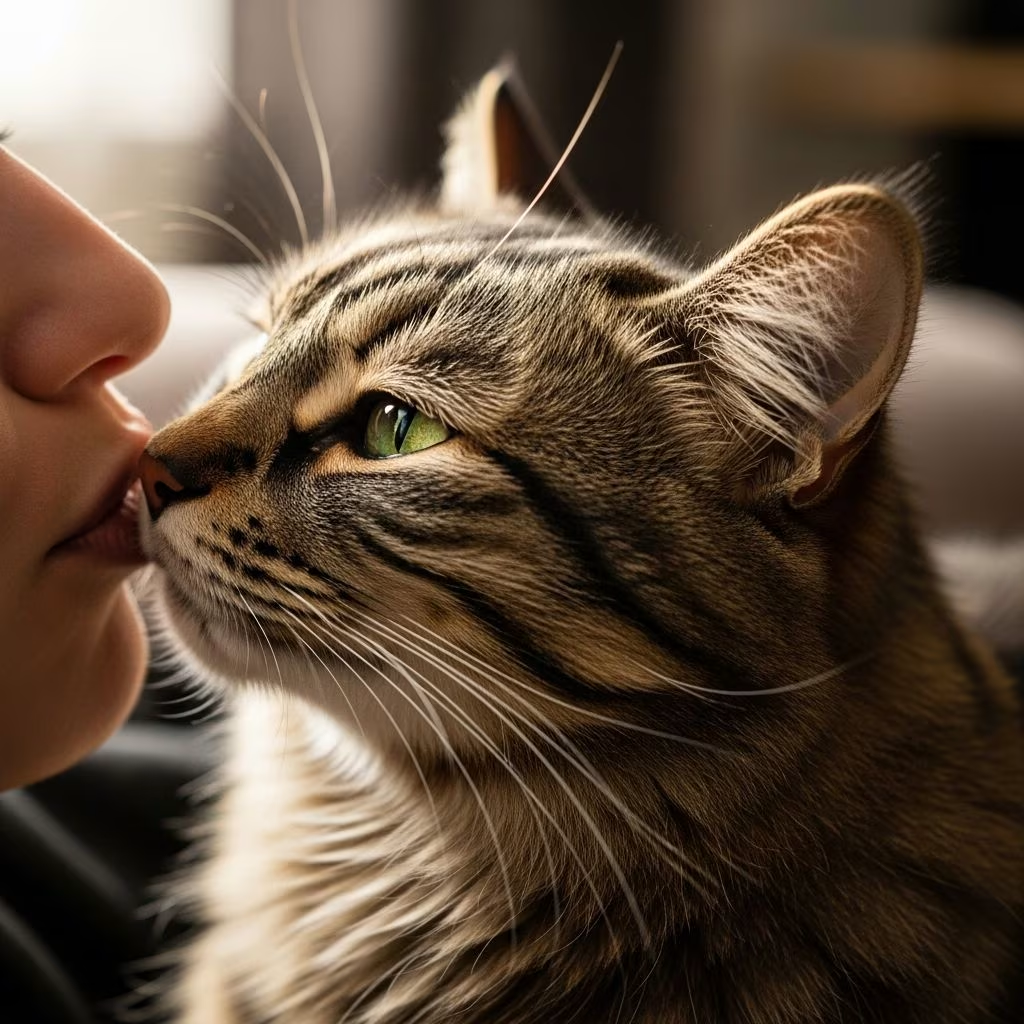
Cats communicate affection differently from humans, but many interpret kisses as a gesture of love through scent and closeness, though not all enjoy it. Understanding their body language is key to knowing if your cat feels loved when kissed.
How Do Cats Show Affection?
Cats express love through subtle body language and behaviors rather than kisses. They form strong attachments to owners, seeking proximity and showing distress when separated. Common signs include:
- Head-butting and rubbing: Cats have scent glands in their cheeks and lips, using them to mark you as part of their social group via pheromones.
- Licking: Known as allogrooming, this treats you as family and strengthens bonds.
- Tail signals: Lifting and wrapping their tail around you indicates trust and affection.
- Slow blinking: Often called the ‘cat kiss,’ this shows relaxation and love, equivalent to a human kiss in feline terms.
- Kneading: Mimicking nursing, it signals contentment and security.
- Sleeping near you: Cats choose to rest close to those they trust and love.
These actions demonstrate that cats view you as family when they feel safe and bonded.
Do Cats Like Kisses?
Not all cats like kisses; it varies by individual. Some tolerate or enjoy them, while others find them intrusive. Positive responses include:
- Slow blinking while maintaining eye contact.
- Purring loudly.
- Leaning in or lifting their head with ears forward.
- Reciprocating with head-butts, rubs, or licks.
- Raising and quivering their tail.
If your cat shows these signs, they likely appreciate kisses as affectionate contact. Conversely, flattened ears, swatting, or fleeing indicate discomfort—respect these cues to avoid stress.
Do Cats Understand Kisses?
Cats don’t innately understand kisses as humans do, lacking the ‘pucker’ behavior. However, they often interpret them as scent-sharing greetings or grooming, similar to their rubbing or licking. The gentle touch and your familiar scent signal safety and social bonding.
Research shows cats recognize human affection through consistent positive interactions like petting and feeding, associating closeness with trust. Kisses can fit this if done gently on the forehead or cheeks, avoiding the mouth due to bacteria like Pasteurella.
Signs Your Cat Loves Kisses
Observe these body language indicators to confirm your cat enjoys kisses:
| Positive Sign | What It Means |
|---|---|
| Slow blink | Trust and relaxation; their ‘kiss’ back |
| Purring + head lift | Contentment and invitation for more |
| Rubbing/licking after | Reciprocating affection, marking you |
| Tail wrap | Strong bond and happiness |
| No tension in body | Feels safe and loved |
These responses confirm kisses register as loving gestures.
How to Tell If Your Cat Doesn’t Like Kisses
Negative signals mean stop immediately:
- Ears back or flat: Fear or irritation.
- Tail thrashing: Annoyance or overstimulation.
- Swatting or biting: Clear ‘no.’
- Turning away or crouching: Desire for space.
- Hissing/growling: High stress.
Forcing kisses erodes trust; always prioritize consent.
Alternative Ways to Show Your Cat Love
If kisses aren’t favored, try these cat-preferred methods:
- Slow blinks: Lock eyes and blink slowly to say ‘I love you.’
- Gentle petting: Stroke cheeks, chin, or base of tail where scent glands are.
- Playtime: Use toys to mimic hunting, fulfilling instincts.
- Grooming: Brush them to simulate allogrooming.
- Quality time: Sit quietly nearby, letting them approach.
- Treats and feeding: Associate yourself with positive rewards.
These build secure attachments without miscommunication.
Why Cats Might Not Like Being Kissed
Several factors influence aversion:
- Personal preference: Independent nature makes some dislike face closeness.
- Overstimulation: Too much contact overwhelms sensitive whiskers.
- Past trauma: Rescues may associate faces with threats.
- Health issues: Dental pain or infections make mouth areas sensitive.
- Breed tendencies: More independent breeds like Siamese may prefer distance.
Patience and observation help tailor affection.
The Science Behind Cat Affection
Studies reveal cats form oxytocin bonds similar to parent-child attachments. When petted affectionately, both cat and owner release oxytocin, fostering love. They distinguish familiar humans and show separation anxiety, proving emotional depth. Feline communication relies on pheromones and visuals over verbal or kiss-like acts.
Cat Kisses vs. Human Kisses: Key Differences
| Aspect | Cat ‘Kiss’ | Human Kiss |
|---|---|---|
| Primary Sense | Scent/pheromones | Touch/emotion |
| Common Form | Slow blink, nose touch | Lip contact |
| Social Role | Group marking/trust | Romantic/platonic love |
| Response | Rub/lick back | Reciprocate lips |
Bridging these enhances mutual understanding.
Frequently Asked Questions (FAQs)
Do cats feel love when you kiss them?
Many cats feel affection from kisses as gentle contact and scent exchange, responding positively if they like it, though they don’t grasp the human romantic meaning.
What do cats think kisses are?
Cats may see kisses as grooming or greeting, associating your scent and calm demeanor with safety and bond.
How do I know if my cat likes kisses?
Look for purring, slow blinks, leaning in, or reciprocation; avoid if they pull away or swat.
Is it safe to kiss my cat?
Gently on forehead/cheeks yes, but avoid mouth due to bacteria risks like Pasteurella. Watch for stress.
Can all cats learn to like kisses?
Some tolerate with positive association, but respect innate preferences—use alternatives like blinks.
Why does my cat lick me after a kiss?
It’s allogrooming, returning affection and marking you as family.
Do kittens like kisses more than adults?
Kittens often do due to socialization, but adults vary by experience.
Building a Stronger Bond with Your Cat
Consistency is vital: respond to their cues, provide enrichment, and use their love language. Over time, mutual respect deepens attachment. If issues persist, consult a vet or behaviorist for tailored advice.
This comprehensive guide empowers you to connect meaningfully, ensuring your cat feels truly loved on their terms. (Word count: 1678)
References
- Do Cats Like and Understand Kisses? — Cats.com. 2023-10-15. https://cats.com/do-cats-like-kisses
- Do Cats Understand Kisses? Why They Prefer Slow Blinks? — LadyNPet.com. 2024-05-20. https://ladynpet.com/us/blog/do-cats-know-what-kisses-are/
- Do Cats Like Kisses? — VOVets.com. 2024-02-10. https://vovets.com/blog/do-cats-like-kisses/



