

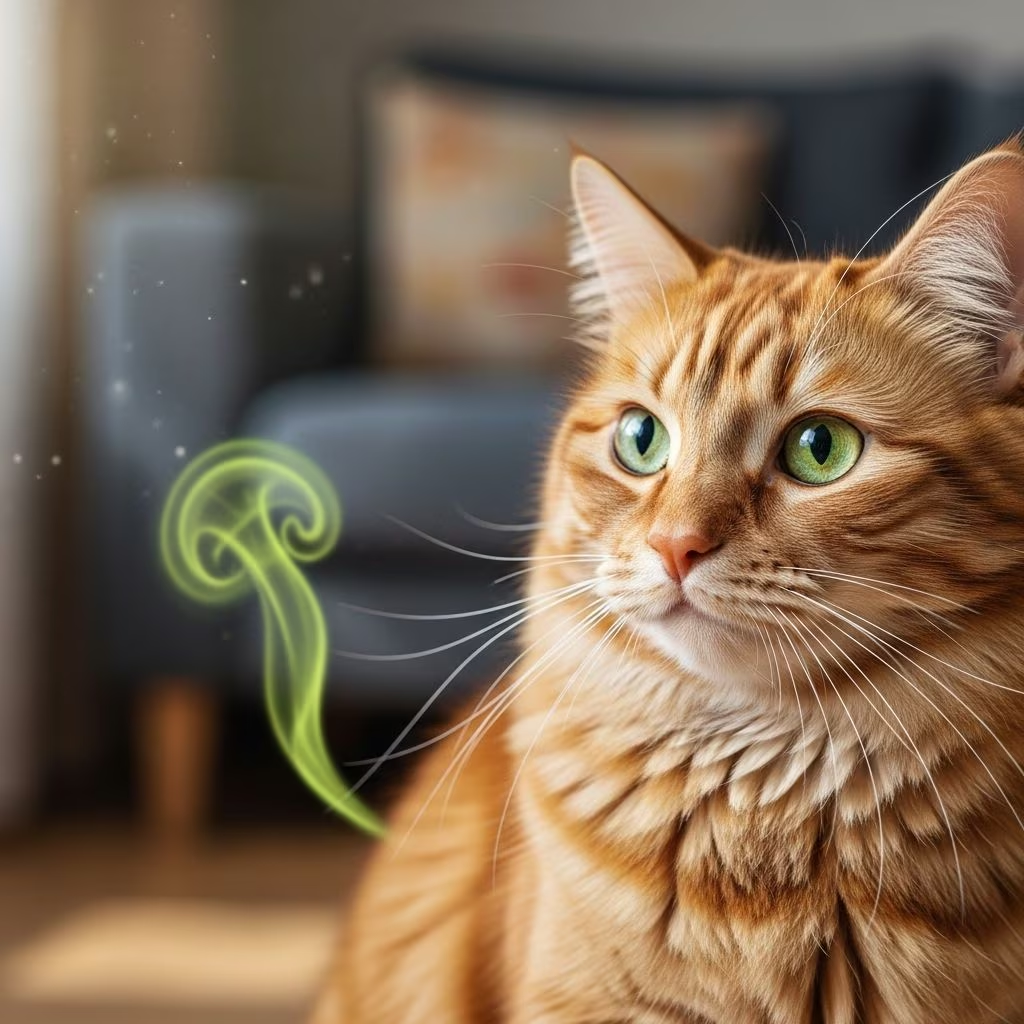
Cats, like all mammals, produce and release intestinal gas as a normal part of digestion. While occasional farts are harmless and go unnoticed, frequent or smelly ones can puzzle owners and point to underlying issues. This article dives into the science of cat flatulence, its triggers, management strategies, and red flags requiring veterinary care.
The Biology of Gas in Cats
Flatulence occurs when gas builds up in a cat’s gastrointestinal tract and is expelled through the anus. This gas mainly consists of hydrogen, methane, carbon dioxide, and trace hydrogen sulfide, produced by gut bacteria fermenting undigested food. Cats, as obligate carnivores, have shorter digestive systems optimized for protein, making them less prone to gas than herbivores but still susceptible under certain conditions.
Normal gas production is minimal in healthy cats, often silent and odorless. However, factors disrupting this balance lead to audible or pungent releases. Understanding this process helps owners distinguish routine from problematic flatulence.
Primary Triggers for Feline Flatulence
Several factors contribute to gas buildup in cats. Identifying the root cause is key to resolution.
Rapid Eating and Air Swallowing
Cats eating too quickly, especially in multi-pet homes where they compete for food, gulp air alongside meals. This aerophagia leads to bloating and gas expulsion. Respiratory issues or anxious eaters exacerbate it.
Dietary Sensitivities and Imbalances
Many commercial cat foods include fillers like grains, peas, or dairy that cats struggle to digest. Lactose intolerance affects most adult cats, causing fermentation and gas from dairy. Common allergens include chicken, beef, fish, eggs, soy, corn, and wheat. Abrupt diet switches disrupt gut flora, amplifying flatulence.
High-carb diets promote bacterial overgrowth, as cats thrive on high-protein, low-carb nutrition. Legumes like chickpeas add fermentable fibers unsuitable for feline guts.
Parasitic Infections
Intestinal worms such as roundworms, hookworms, or protozoa like giardia inflame the gut, trapping gas. Kittens and outdoor cats are at higher risk. These parasites hinder nutrient absorption, leading to fermentation and bloating.
Gut Health Disruptions
Bacterial imbalances, known as dysbiosis, occur from infections, antibiotics, or chronic conditions like inflammatory bowel disease (IBD), pancreatitis, or lymphoma. These impair digestion, fostering gas-producing bacteria.
Stress and Behavioral Factors
Anxiety from environmental changes, over-grooming, or household stress alters gut motility, increasing gas. Stressed cats may eat faster or develop temporary indigestion.
Other Medical Conditions
Systemic issues like liver disease, hormonal imbalances, constipation, or hairballs indirectly cause flatulence by slowing digestion. Allergies to fleas, pollen, or dust can trigger gastrointestinal upset.
Signs Your Cat’s Gas Needs Attention
Isolated farts are normal, but watch for:
- Frequent, loud, or foul-smelling gas
- Accompanying diarrhea, vomiting, or constipation
- Bloating, lethargy, or appetite loss
- Weight loss or poor coat condition
- Visible worms in stool
These suggest issues like parasites, allergies, or IBD requiring prompt vet evaluation.
Strategies to Minimize Cat Flatulence
Targeted changes can reduce gas effectively.
Optimize Feeding Practices
Slow eating with puzzle feeders or portioned meals prevents air intake. Elevate bowls for comfort. Feed smaller, frequent meals to ease digestion.
Select Superior Nutrition
Choose AAFCO-approved, high-protein foods with probiotics and limited carbs. Avoid common allergens; opt for novel proteins like duck or venison. Wet foods aid hydration and digestion. Consult vets for prescription diets if needed.
| Diet Type | Pros for Gas Reduction | Cons |
|---|---|---|
| High-Protein Wet Food | Easy digestion, probiotics often included | Higher cost |
| Hypoallergenic Dry | Limited ingredients | May dry out stool |
| Grain-Free | Reduces fermentation | Check for legume fillers |
Probiotics and Supplements
Probiotic supplements restore gut balance, breaking down gas precursors. Fiber additives like psyllium can firm stools but use cautiously.
Parasite Prevention
Regular deworming and fecal tests catch infestations early. Monthly preventives protect outdoor cats.
Stress Reduction Techniques
Provide hiding spots, pheromone diffusers, and routine to calm nerves. Play therapy aids digestion.
When to Consult a Veterinarian
Seek professional help if gas persists despite changes or pairs with symptoms. Vets perform fecal exams, bloodwork, or ultrasounds to diagnose. Treatments include dewormers, antibiotics, or specialized diets. Early intervention prevents complications.
FAQs on Feline Flatulence
Why do cat farts smell worse than others?
Carnivorous diets produce sulfur-rich gases from protein breakdown, creating pungent odors. Herbivore gas is milder.
Can worms cause gas in cats?
Yes, parasites inflame intestines, promoting gas. Fecal tests confirm and dewormers treat.
How to relieve my cat’s gas at home?
Switch to quality canned food, slow feeders, and probiotics. Vet approval is essential.
Is occasional farting normal?
Yes, low levels are physiological. Monitor for excess.
Does stress cause cat gas?
Absolutely, via altered digestion and habits.
Preventive Care for Optimal Digestion
Annual check-ups, balanced diets, and parasite control maintain gut health. Track changes in a journal to spot patterns early.
In summary, while cats fart discreetly, addressing triggers enhances well-being. Proactive care keeps your feline comfortable.
References
- 4 Common Causes of Flatulence in Cats (Cat Farts) — cats.com. 2023. https://cats.com/do-cats-fart
- Do Cats Fart? Feline Flatulence & Food Issues — Hill’s Pet. 2023. https://www.hillspet.com/cat-care/healthcare/do-cats-fart
- Do Cats Fart? Experts Answer — Kinship. 2023. https://www.kinship.com/cat-health/do-cats-fart
- Gas Passers: Understanding the Science of Pet Flatulence — Andy’s Vet Clinic. 2023. https://www.andysvetclinic.net/post/gas-passers-understanding-the-science-of-pet-flatulence
- Do Cats Fart? — PetMD. 2023. https://www.petmd.com/cat/general-health/do-cats-fart



