

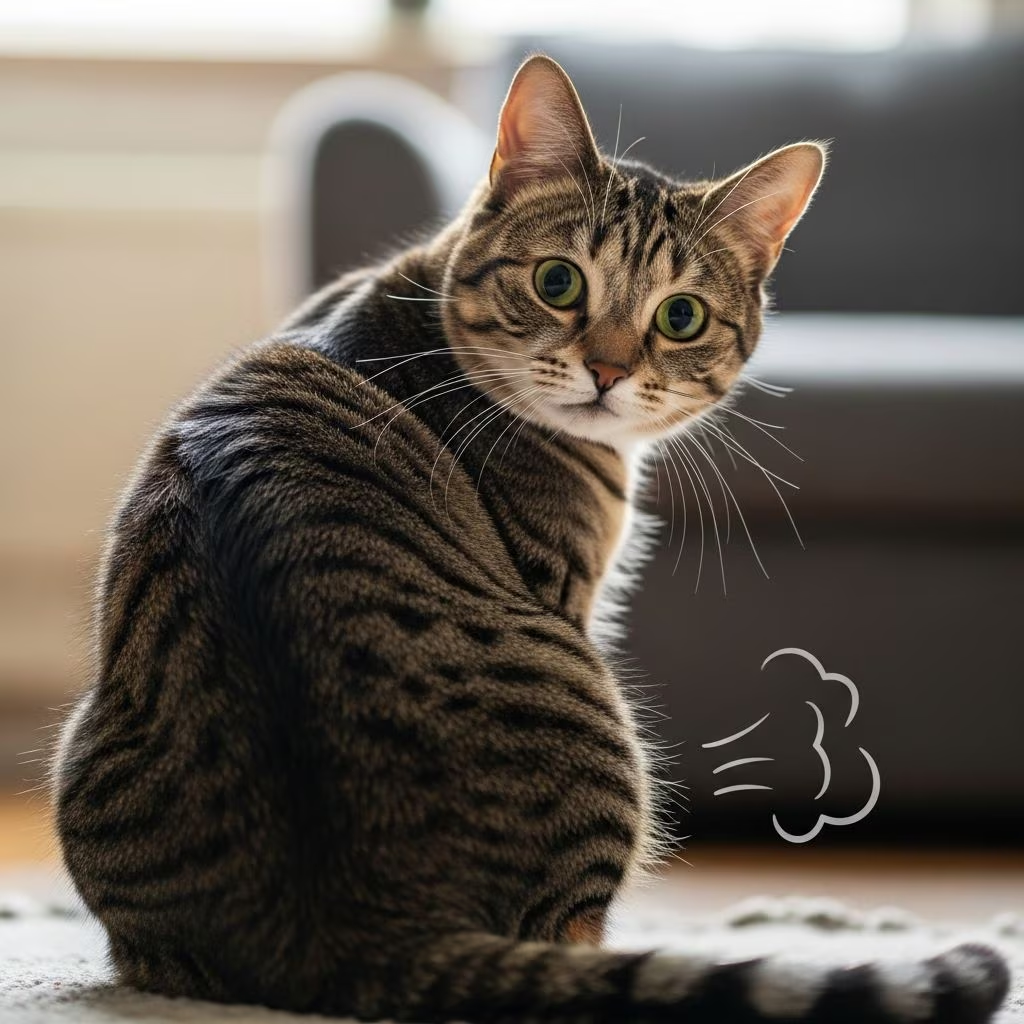
Do Cats Fart? Understanding Feline Flatulence
Yes, cats do fart. While it might seem surprising given their dignified demeanor, cats are indeed capable of passing gas just like humans, dogs, and many other animals. Despite this common misconception, feline flatulence is a normal and natural part of the digestive process. However, the frequency and intensity of cat farts differ significantly from what we observe in dogs or humans. Most cat owners rarely notice their pets farting because cats typically produce less odorous gas and do so much less frequently than their canine counterparts.
Understanding whether your cat farts is important for recognizing when their digestive system is functioning normally versus when it might require veterinary attention. While occasional passing of gas is completely normal, excessive or particularly foul-smelling flatulence can indicate underlying health issues that warrant a closer look.
Why Do Cats Fart?
Flatulence in cats, like in humans and other animals, results from a buildup of gas in the digestive system that needs to be released. This gas accumulation occurs naturally during the digestion process and is released through the rectum. Understanding the mechanics of cat flatulence helps pet owners distinguish between normal digestive function and potential health concerns.
The Digestive Process in Cats
When cats eat food, their digestive system breaks down the meal in the stomach and intestines. During this process, gases are produced as a byproduct of digestion. Additionally, cats swallow air while eating, and some of this air becomes trapped in their digestive tract. This combination of digestive gases and swallowed air eventually needs to exit the body, resulting in flatulence. The body can expel this gas through burps, farts, or simply by breathing it out.
Common Causes of Cat Farting
Several factors can contribute to flatulence in cats. By understanding these causes, cat owners can better identify whether their pet’s gas is a normal occurrence or a sign of a dietary or health issue.
Diet and Nutrition
The most common cause of excessive feline flatulence is diet-related. Cats are obligate carnivores, meaning they are biologically designed to eat meat and derive their nutrition primarily from animal protein. Their digestive systems are optimized for processing meat-based diets. When cats consume foods that deviate from their natural dietary requirements, their digestive systems struggle to break down these foods efficiently, leading to increased gas production.
Foods high in fiber, dairy products, and certain carbohydrates can trigger gas production in cats. Additionally, some cats may experience gas after consuming raw meat or foods containing ingredients they are unaccustomed to digesting. Fiber, while beneficial for human digestion, ferments in the cat’s gut and produces excessive gas that can accumulate and be released as flatulence.
Food Allergies and Intolerances
Just as some humans have sensitive stomachs, individual cats may have food allergies or intolerances that cause digestive distress. Food sensitivities can trigger gas production, along with other gastrointestinal symptoms. When cats eat foods containing proteins or ingredients their bodies cannot properly digest, their digestive systems become irritated, leading to abnormal gas buildup and flatulence. Additionally, environmental allergies to dust, pollen, or parasites like fleas and ticks can cause digestive distress, including gas and diarrhea.
Eating Habits and Speed
The manner in which cats consume their food can significantly impact gas production. Cats that eat too quickly tend to swallow excessive amounts of air along with their food. This extra air becomes trapped in the digestive tract and eventually escapes as gas. This issue is particularly common in multi-cat households where cats may compete for food or eat rapidly to prevent other cats from stealing their meals.
Gastrointestinal Issues
Various gastrointestinal conditions can cause increased flatulence in cats. These include inflammatory bowel disease (IBD), gastrointestinal infections, microbial imbalances in the gut, and intestinal parasites. Parasitic infections, particularly those caused by the intestinal parasite Tritrichomonas foetus (T. foetus), are known to increase gas production and flatulence. This parasite affects approximately 30% of purebred cats and is especially common in multi-cat households and shelter environments where close quarters and shared resources facilitate transmission.
Dietary Factors and Food Transitions
One of the most overlooked causes of cat flatulence is an improper food transition. When changing a cat’s diet, veterinarians recommend a gradual transition period of 7 to 10 days. During this transition, the old food should be gradually mixed with increasing amounts of the new food. Abrupt diet changes can shock the digestive system and trigger gas production and gastrointestinal upset.
Interestingly, even switching to a new bag of the same food brand can cause gas in sensitive cats. Manufacturers sometimes make subtle changes to their formulations, and these minor adjustments can be enough to trigger digestive issues in cats with particularly sensitive systems. Additionally, diets with excessive fiber content or those containing protein sources that a specific cat’s body struggles to digest are common culprits behind increased flatulence.
When to Be Concerned About Cat Flatulence
While occasional, silent, or odorless farting is completely normal in cats, certain situations warrant veterinary attention. If your cat’s flatulence becomes suddenly more frequent, develops a particularly foul smell, or is accompanied by other symptoms, it’s time to consult with your veterinarian.
Warning Signs and Symptoms
Pet owners should be vigilant for the following warning signs:
– Sudden increase in flatulence frequency- Particularly foul-smelling gas- Diarrhea or loose stools- Bloody or mucousy stool- Vomiting- Loss of appetite- Letharness or behavioral changes- Abdominal bloating or distension- Signs of discomfort or pain
Any combination of these symptoms, especially when occurring alongside increased flatulence, suggests that your cat may be suffering from a digestive issue, parasite infection, food intolerance, or other gastrointestinal condition that requires professional evaluation.
How to Manage and Reduce Cat Flatulence
If your cat experiences excessive or bothersome flatulence, several strategies can help manage the issue:
Dietary Adjustments
Switching to a high-quality, primarily meat-based diet can significantly reduce gas production in many cats. Wet or canned foods are often better tolerated than dry kibble, as they are easier for cats to digest. Look for foods with high-quality protein sources and minimal fillers or carbohydrates. If changing foods, always implement a gradual transition period over 7 to 10 days to allow your cat’s digestive system to adjust.
Meal Frequency and Portion Control
Feeding smaller, more frequent meals rather than one or two large meals daily can help reduce gas production. Smaller meals are easier for the digestive system to process efficiently. Additionally, if your cat eats too quickly, try using puzzle feeders or specialized bowls designed to slow down eating pace.
Parasite Prevention and Treatment
Regular parasite prevention and fecal examinations can help identify and treat parasitic infections that contribute to flatulence. If your veterinarian diagnoses an intestinal parasite, appropriate deworming medications can eliminate the problem and reduce gas production.
Probiotic Supplements
Some veterinarians recommend probiotic supplements to help balance gut bacteria and improve digestion. A healthy microbial balance in the gut can reduce abnormal gas production and improve overall digestive function.
The Science Behind Animal Flatulence
Flatulence is not unique to cats and humans. In fact, the ability to pass gas is common among many animals in the animal kingdom. The process involves the fermentation of food by bacteria in the gut, which produces gases including nitrogen, oxygen, carbon dioxide, hydrogen, and sometimes methane and hydrogen sulfide. The sulfur-containing compounds are responsible for the unpleasant odor associated with particularly smelly farts.
Interestingly, not all animals fart. Clams and other mollusks cannot pass gas, and while sea anemones have the ability to burp, they typically do not fart. Birds, despite having the anatomical equipment to produce flatulence, generally do not carry the same gas-forming bacteria in their guts that mammals do, so they rarely fart.
Comparing Cat Flatulence to Other Pets
| Animal | Frequency | Typical Odor | Primary Cause |
|---|---|---|---|
| Cats | Occasional (rare) | Usually minimal | Diet, food intolerances, parasites |
| Dogs | Frequent | Often noticeable | Diet high in fiber and carbohydrates |
| Humans | Approximately 20 times daily | Variable | Diet, digestive efficiency, bacteria |
Cats fart far less frequently than dogs or humans, partly due to their carnivorous diet. Dogs are omnivores and often consume foods high in fiber and carbohydrates, which trigger more gas production. Humans pass gas an average of 20 times per day, producing enough gas to fill approximately half a two-liter bottle of soda. In comparison, cats with proper diets rarely fart noticeably.
When to Contact Your Veterinarian
You should schedule a veterinary appointment if your cat exhibits any of the following:
– Sudden onset of frequent flatulence- Persistent foul-smelling gas lasting more than a few days- Diarrhea or loose stools accompanying the flatulence- Bloody or mucousy stools- Vomiting or loss of appetite- Signs of abdominal pain or discomfort- Behavioral changes or letharness- Any combination of gastrointestinal symptoms
Your veterinarian can perform a physical examination, review your cat’s diet, and order diagnostic tests such as fecal examinations or blood work to identify underlying causes. In some cases, imaging may be necessary to rule out more serious conditions.
Frequently Asked Questions About Cat Flatulence
Q: Is it normal for cats to fart?
A: Yes, occasional flatulence is completely normal in cats. Most cats experience some gas as a natural part of digestion. However, excessive or foul-smelling gas may indicate a dietary issue or health concern.
Q: Why don’t I hear my cat fart very often?
A: Cats fart much less frequently than dogs or humans due to their carnivorous diet. Since cats don’t typically eat fiber-rich vegetables and carbohydrates that trigger gas production in omnivores, they produce significantly less flatulence.
Q: Can food allergies cause cat flatulence?
A: Yes, food allergies and intolerances are common causes of excessive gas in cats. If your cat has a sensitive stomach or is allergic to certain proteins or ingredients, it may experience increased flatulence and other digestive symptoms.
Q: How can I reduce my cat’s flatulence?
A: The best approach depends on the underlying cause. Consider switching to a high-quality, meat-based diet; implementing gradual food transitions; feeding smaller, more frequent meals; and consulting with your veterinarian to rule out parasites or other health issues.
Q: Is excessive cat farting a sign of illness?
A: Excessive or particularly foul-smelling flatulence can indicate dietary intolerance, parasitic infection, gastrointestinal disease, food allergies, or inflammatory bowel disease. If accompanied by other symptoms like diarrhea or vomiting, consult your veterinarian promptly.
Q: Can intestinal parasites cause gas in cats?
A: Yes, intestinal parasites, particularly Tritrichomonas foetus, can cause increased gas production and flatulence in cats. A fecal examination can diagnose parasitic infections, which can then be treated with appropriate deworming medications.
Q: What role does eating speed play in cat flatulence?
A: Cats that eat too quickly swallow excess air along with their food. This trapped air accumulates in the digestive tract and eventually escapes as gas. Using slow-feeder bowls or puzzle feeders can help reduce this issue.
References
- Do Cats Fart? — IFLScience. https://www.iflscience.com/do-cats-fart-69059
- Do Cats Fart? 5 Causes and When to Call a Vet — Business Insider. https://www.businessinsider.com/reference/do-cats-fart
- Do Cats Fart? Explaining Cat Gas — Noble Veterinary Clinics. https://noblevetclinic.com/blog/do-cats-fart
- Do Cats Fart? Feline Flatulence & Food Issues — Hill’s Pet Nutrition. https://www.hillspet.com/cat-care/healthcare/do-cats-fart
- Why Do Cats Fart? — Animals | HowStuffWorks. https://animals.howstuffworks.com/pets/do-cats-fart.htm
- Do all animals pass gas? Do cats fart? — Ask Dr. Universe, Washington State University. https://askdruniverse.wsu.edu/2018/01/03/2883/
- Do Cats Fart? — PetMD. https://www.petmd.com/cat/general-health/do-cats-fart



