

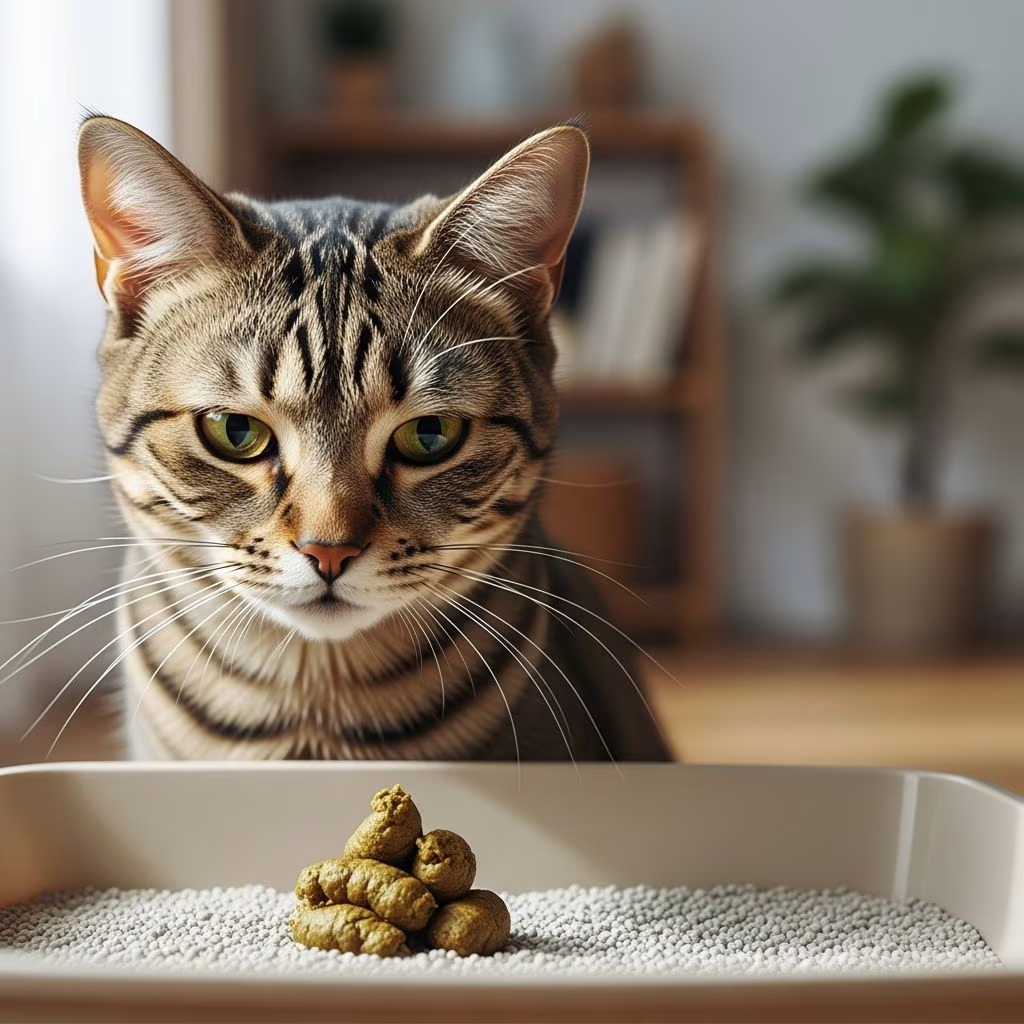
Coprophagia, the act of cats eating their own feces or that of other animals, is a behavior that shocks many pet owners but occurs more frequently than expected. While it may seem repulsive, this habit has roots in instinct, health issues, and environmental factors. Understanding why cats engage in coprophagia is crucial for addressing potential underlying problems and ensuring your feline’s well-being.
This comprehensive guide delves into the reasons behind cats eating poop, associated health risks, prevention strategies, and when to consult a veterinarian. Drawing from veterinary insights, we cover everything from normal kitten behaviors to serious medical conditions in adult cats.
Why Do Cats Eat Poop?
Cats eating their own poop, scientifically termed coprophagia, can stem from various causes. In kittens, it’s often a natural developmental phase, while in adults, it frequently signals an underlying issue.
Instinctual Reasons in Kittens
Kittens commonly eat feces as part of their early development. Lacking mature gut microorganisms, they consume poop to acquire beneficial bacteria that aid digestion. Mother cats stimulate defecation in kittens by licking their genitals and anus, then ingest the feces to maintain a clean den and protect against predators or disease spread.
- Newborn kittens depend on their mother’s grooming, which includes eating their waste to keep the nesting area hygienic.
- This behavior helps kittens colonize their gut with essential microbes from the mother’s or siblings’ feces.
- By 4-6 weeks, kittens typically outgrow this as their digestive systems mature.
Medical Causes in Adult Cats
For adult cats, coprophagia is rarely normal and often indicates health problems. Conditions causing increased appetite (polyphagia) or nutritional deficiencies drive this behavior.
- Nutritional Deficiencies: Despite high-quality commercial cat foods providing balanced nutrition, some cats with malabsorption issues eat poop to reabsorb vitamins and minerals. Enzyme deficiencies from pancreatic problems prevent proper nutrient breakdown, leading cats to ‘recycle’ feces for undigested enzymes.
- Diseases Causing Polyphagia: Diabetes mellitus, hyperthyroidism, Cushing’s disease, intestinal cancers, and bowel disorders increase hunger, prompting feces consumption.
- Pica and Related Disorders: Pica, where cats eat non-food items, can include feces and is linked to anemia, feline immunodeficiency virus (FIV), liver disease, or hyperthyroidism.
- Parasites: Intestinal worms steal nutrients, causing deficiencies that lead to coprophagia.
Behavioral and Environmental Factors
Not all cases are medical; stress, boredom, or poor litter habits play roles.
- Anxiety from changes like moving, new pets, or household stress can trigger coprophagia.
- Boredom or under-stimulation in indoor cats leads to compulsive behaviors, including eating feces.
- Cats in unsanitary environments may eat poop as part of exaggerated cleaning instincts.
Is It Normal for Cats to Eat Poop?
Normality depends on age and context. For kittens under 6 months, occasional coprophagia is typical and resolves naturally. Mother cats eating kitten poop is standard grooming.
In adult cats, it’s abnormal and warrants investigation. Small amounts stuck to fur during grooming are incidental and harmless, but deliberate consumption signals issues. Across the animal kingdom, coprophagia aids microbiome development, as seen in rabbits, pandas, and even lab mice, suggesting evolutionary benefits. In cats, however, persistent adult behavior deviates from the norm.
Health Risks of Cats Eating Poop
While not immediately life-threatening, coprophagia poses risks, especially for adults.
- Parasitic Infections: Feces can harbor toxoplasmosis, roundworms, or hookworms, reinfecting the cat.
- Bacterial Contamination: Salmonella and E. coli from poop cause gastroenteritis, vomiting, diarrhea, and dehydration.
- Medication Overdose: Undigested drugs in feces (e.g., from parasite treatments) can lead to toxicity.
- Nutrient Imbalance: Chronic cases exacerbate deficiencies, causing weight loss and weakness.
Prompt intervention minimizes these dangers. Regular deworming and clean litter boxes reduce exposure.
How to Stop Your Cat from Eating Poop
Addressing coprophagia involves identifying and treating the root cause. Start with veterinary evaluation.
Step-by-Step Prevention and Treatment
- Veterinary Check-Up: Rule out medical issues with bloodwork, urinalysis, fecal exam, and history review.
- Dietary Adjustments: Switch to high-quality, enzyme-rich food if deficiencies are found. Probiotics support gut health.
- Litter Box Management: Scoop daily, use multiple boxes, and place in quiet areas to encourage proper elimination.
- Environmental Enrichment: Provide toys, scratching posts, and playtime to combat boredom and stress.
- Stress Reduction: Use pheromone diffusers, maintain routines, and introduce changes gradually.
- Immediate Cleanup: Remove feces promptly to break the habit.
| Cause Type | Symptoms | Treatment |
|---|---|---|
| Medical | Weight loss, increased thirst, vomiting | Medications, diet change, surgery if needed |
| Behavioral | Sudden onset with stress, boredom | Enrichment, training, environment tweaks |
| Nutritional | Poor coat, lethargy | Nutrient supplements, better food |
When to See a Vet
Consult a vet immediately if your adult cat eats poop repeatedly, shows illness signs (vomiting, diarrhea, weight loss), or if it’s a sudden change. Kittens should be monitored but rarely need intervention unless persistent beyond weaning. Diagnostics include physical exams, lab tests, and imaging to pinpoint causes. Early treatment prevents complications.
Frequently Asked Questions (FAQs)
Is it normal for kittens to eat their own poop?
Yes, it’s common and instinctual for kittens to help develop their gut microbiome. It usually stops by 4-6 weeks.
Why would an adult cat suddenly start eating poop?
Sudden coprophagia often indicates medical issues like thyroid disease, diabetes, or parasites, or behavioral stress. Vet evaluation is essential.
Can cats get sick from eating their own poop?
Yes, risks include bacterial infections, parasites, and digestive upset. Prompt feces removal helps prevent this.
How do I prevent my cat from eating poop?
Clean litter boxes daily, enrich the environment, ensure a balanced diet, and address health issues with a vet.
Is coprophagia common in cats?
More common in kittens and mothers; rare but concerning in adults.
This guide equips cat owners with knowledge to tackle coprophagia effectively. By understanding causes and acting swiftly, you can safeguard your cat’s health and hygiene.
References
- Why Do Cats Like to Eat Poop? — WagWalking. Accessed 2026. https://wagwalking.com/behavior/why-do-cats-like-to-eat-poop
- Everyone Poops. Some Animals Eat It. Why? — Smithsonian Magazine. 2018-04-18. https://www.smithsonianmag.com/science-nature/everyone-poops-some-animals-eat-it-why-180961020/
- Unusual Cat Eating Habits Explained by Experts in 2025 — The Valley Animal Hospital. 2025. https://thevalleyanimalhospital.com/unusual-cat-eating-habits/
- Eating Feces (Coprophagia) in Cats – Causes, Treatment — Vetster. Accessed 2026. https://vetster.com/en/symptoms/cat/eating-feces-coprophagia
- Why Do Animals Eat Poop? (And Why It Might Be a Good Thing) — Smithsonian National Zoo. Accessed 2026. https://nationalzoo.si.edu/center-conservation-genomics/news/why-do-animals-eat-poop-and-why-it-might-be-good-thing



