

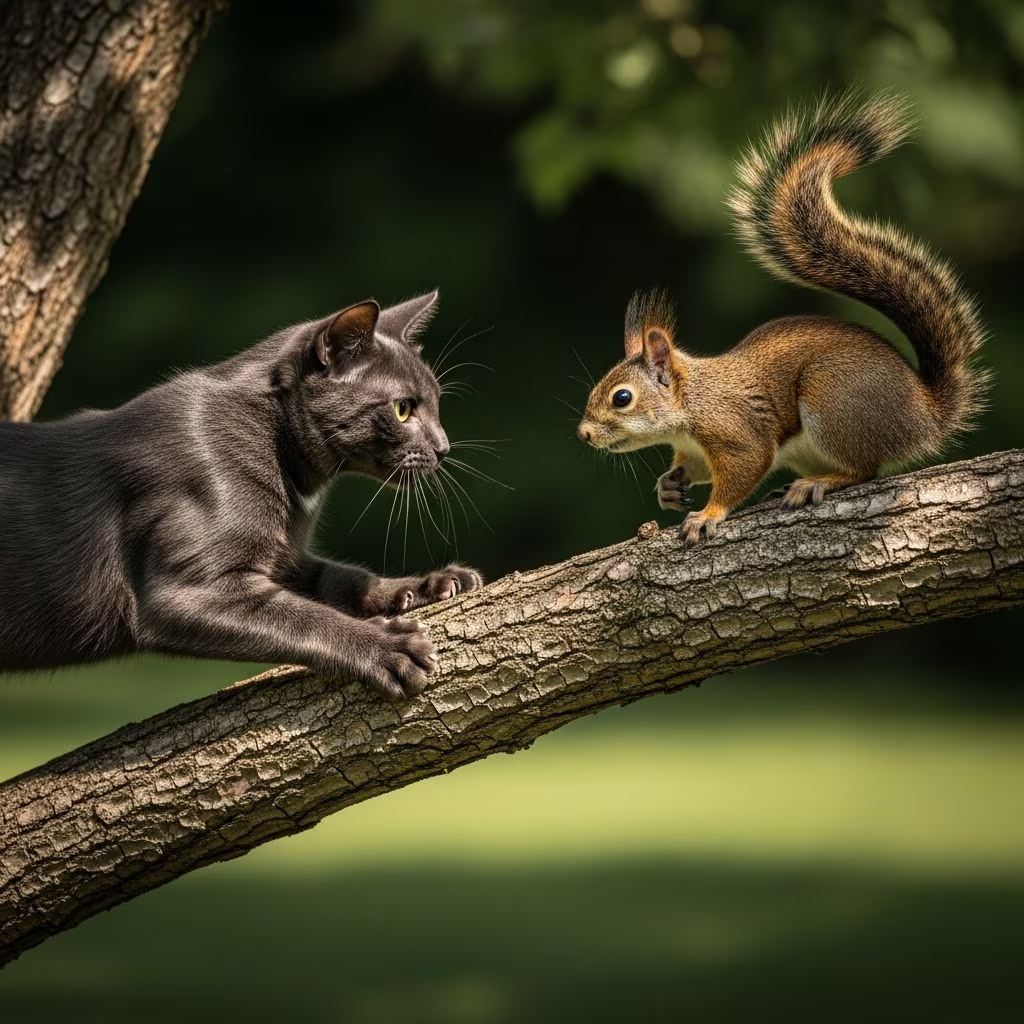
Cats, as obligate carnivores, have a natural instinct to hunt small mammals like squirrels, but whether domestic cats actually eat them depends on their environment and diet. While wild and feral cats may consume entire squirrels for nutrition, pet cats face significant health risks from doing so, including parasites and diseases that outweigh any benefits.
Do Cats Eat Squirrels?
Yes, cats do eat squirrels in the wild, viewing them as prey rich in protein and nutrients. Feral cats often hunt and devour entire squirrels, including meat, bones, organs, and even stomach contents, mirroring their ancestral diet. Domestic cats may hunt squirrels out of instinct but are less likely to eat them if well-fed on commercial food, often leaving carcasses as ‘gifts’.
This behavior stems from cats’ evolutionary role as predators. Free-roaming feral cats derive about 52% of their energy from protein and 46% from fat, primarily from prey like squirrels, mice, birds, and reptiles, confirming their carnivorous nature.
What Is a Cat’s Typical Diet?
Cats are obligate carnivores, requiring animal-based proteins, fats, taurine, and specific minerals that plants cannot provide. In the wild, their diet consists of muscle meat for protein and amino acids, bones for calcium and minerals like zinc and potassium, organs for vitamins, and small amounts of stomach contents for fiber.
- Muscle meat: Provides essential amino acids like taurine for muscle growth, skin health, and organ function.
- Bones and structural elements: Supply calcium, zinc, and potassium, which cats cannot synthesize.
- Organs (e.g., liver): Rich in vitamins and slow-release energy from stored fats.
- Stomach contents: Offer fiber to support gut bacteria and digestion.
Studies on feral cats show their diet is 62.7% crude protein, 22.8% fat, 11.8% ash, and only 2.8% nitrogen-free extract (mostly low-starch carbs) on a dry matter basis, emphasizing meat’s dominance.
Do Cats Eat the Entire Squirrel?
Feral cats typically consume the entire squirrel, from meat and blood vessels to bones, organs, and gut contents, maximizing nutrient intake. Pet cats, however, often kill but don’t eat due to full stomachs from kibble or wet food. If they do eat bones or organs, it could signal dietary deficiencies, but risks like splintered bones or contaminated guts make it dangerous.
| Prey Component | Nutrients Provided | Risks for Pets |
|---|---|---|
| Meat | High protein, moisture | Parasites, bacteria |
| Bones | Calcium, minerals | Choking, fractures |
| Organs | Vitamins, fats | Toxins, diseases |
| Gut Contents | Fiber | Pathogens from plants/soil |
Is It Healthy for Cats to Eat Squirrels?
Eating squirrels offers benefits like exercise from hunting and potential nutrient gaps (e.g., protein, fats), but for domestic cats, risks far outweigh rewards. Squirrels can carry parasites (roundworms, tapeworms), bacteria (salmonella), fungi (toxoplasmosis), and viruses transmissible to humans. Well-fed pets don’t need wild prey; high-quality commercial foods suffice.
Nutritionally, squirrel aligns with feral diets—high protein (52% energy) and fat (46%)—but urban squirrels may have pesticides or pollutants.
Potential Health Risks of Eating Squirrels
Squirrels pose serious threats to cats:
- Parasites: Fleas, ticks, roundworms, hookworms, tapeworms can infest cats and spread to owners.
- Bacterial infections: Salmonella, leptospirosis from contaminated meat.
- Fungal diseases: Toxoplasmosis affects eyes, lungs, brain.
- Viral risks: Rabies (rare but fatal), distemper.
- Physical dangers: Bones cause choking or intestinal blockages; fights lead to abscesses.
- Secondary poisoning: Rodenticides make squirrels toxic.
Indoor cats or those on premium diets avoid these by not hunting.
Benefits of Cats Eating Squirrels
Limited upsides include:
- Exercise: Hunting burns energy, aids weight control.
- Nutritional boost: Fills gaps in poor diets with bioavailable protein, fats, taurine.
- Mental stimulation: Satisfies instincts, reduces boredom.
However, these are negligible for pets with balanced kibble/wet food; risks dominate.
How Often Do Cats Eat Squirrels?
Frequency varies: Feral cats eat small mammals like squirrels occasionally amid diverse prey (mice 40-50%, birds 20-30%). Domestic cats hunt sporadically if outdoor access exists, but consumption is rare if fed properly. Urban areas see more due to abundant squirrels.
What to Do If Your Cat Eats a Squirrel
Monitor for symptoms: vomiting, diarrhea, lethargy, weight loss, visible worms. Deworm preventively (every 3 months), vaccinate, and consult a vet immediately if illness appears. Annual fecal tests detect parasites early.
How to Stop Your Cat from Eating Squirrels
- Keep indoors or supervise outdoors.
- Feed high-protein diets to reduce hunger-driven hunting (aim for >50% animal protein, <3% carbs).
- Use toys, puzzle feeders for stimulation.
- Install deterrents like motion sprinklers.
- Spay/neuter to curb prey drive.
Best Diet for Cats Instead of Squirrels
Opt for vet-formulated foods mimicking wild diets: high meat content, moderate fat (up to 20%), minimal carbs/fiber (max 3%). Check labels—meat first, avoid grain-heavy fillers. Wet foods excel in moisture and protein bioavailability.
| Nutrient | Ideal % (Dry Matter) | Wild Prey Equivalent |
|---|---|---|
| Protein | >50% | Squirrel meat/organs |
| Fat | 15-20% | Prey fats |
| Carbs | <3% | Nearly absent |
Premium brands use chicken, fish, organs for taurine, vitamins. Subscriptions tailor to your cat’s needs.
Frequently Asked Questions
Can cats get sick from eating squirrels?
Yes, squirrels transmit parasites, bacteria, and diseases like toxoplasmosis and rabies, potentially fatal without treatment.
Is squirrel meat good for cats?
It provides protein and nutrients but carries high contamination risks, unsafe for pets versus commercial food.
Why do cats hunt but not eat squirrels?
Instinct drives hunting; full bellies from pet food prevent eating. They may ‘gift’ kills to owners.
How do I know if my cat has parasites from a squirrel?
Watch for diarrhea, vomiting, potbelly, worms in stool. Vet fecal exam confirms.
What’s the best cat food to mimic wild diet?
High-meat wet foods with named proteins first, low carbs, vet-approved recipes.
References
- Can cats eat nuts, or are they best left to squirrels? — Untamed. 2023. https://untamed.com/blogs/nutrition/can-cats-eat-nuts
- Do Cats Eat Squirrels? Potential Health Risks — Hepper Pet Resources. 2024. https://articles.hepper.com/do-cats-eat-squirrels/
- Do Cats Eat Squirrels? Is It Healthy for Them? — Catster. 2024. https://www.catster.com/nutrition/do-cats-eat-squirrels/
- Estimation of the dietary nutrient profile of free-roaming feral cats — British Journal of Nutrition, Cambridge University Press. 2011-10-12. https://www.cambridge.org/core/journals/british-journal-of-nutrition/article/estimation-of-the-dietary-nutrient-profile-of-freeroaming-feral-cats-possible-implications-for-nutrition-of-domestic-cats/2E0E827469FFC1AF51387E045C06759A
- Is it safe for cats to eat wild prey? — TheCatSite.com. 2020. https://thecatsite.com/threads/is-it-safe-for-cats-to-eat-wild-prey-including-wall-rats-and-squirrels.252529/



