Do Cats Eat Snakes? Comprehensive Guide For Cat Owners
Uncover whether cats eat snakes, the risks involved, benefits, and essential safety tips for cat owners.
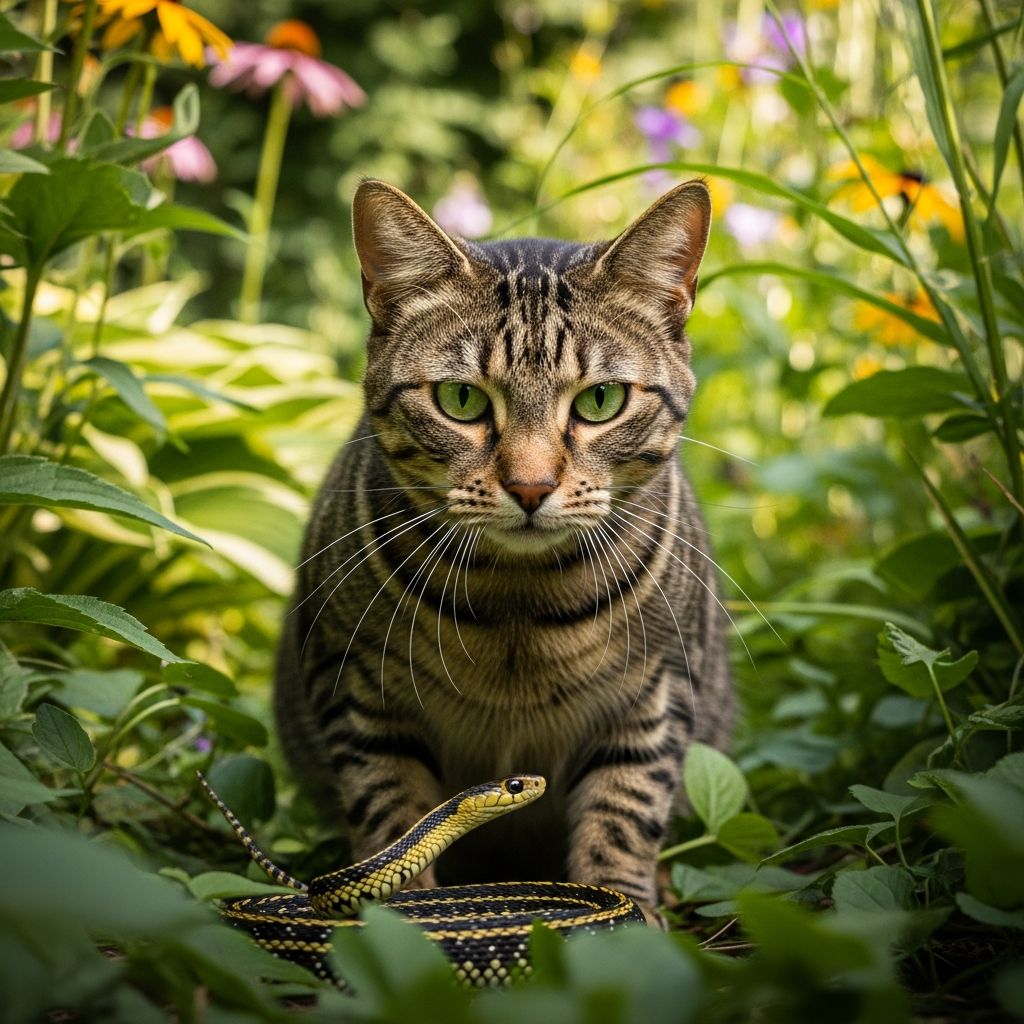
Do Cats Eat Snakes?
Cats are renowned predators with strong hunting instincts that often lead them to pursue small animals, including snakes. While some cats do catch and eat snakes, this behavior carries substantial risks that outweigh any potential benefits for domestic pets.
Understanding whether cats eat snakes requires examining their natural tendencies, the dangers involved, regional variations in encounters, and practical steps for prevention. This comprehensive guide draws from veterinary insights and wildlife studies to help cat owners navigate these encounters safely.
Are Cats Natural Snake Hunters?
Cats possess innate predatory drives honed over thousands of years as hunters. Their keen senses of sight, hearing, and smell make slithering snakes particularly enticing targets due to the reptiles’ unpredictable movements.
- Cats often stalk snakes out of curiosity or play, escalating to capture if the opportunity arises.
- Outdoor and feral cats exhibit this behavior more frequently than strictly indoor companions.
- Individual temperament plays a role; bold cats may engage snakes, while timid ones avoid them.
Wildlife research confirms cats’ prowess as reptile predators. In Australia, feral cats consume a vast array of native reptiles, including snakes, contributing to biodiversity concerns. Feral cats kill an estimated 466 million reptiles annually, with pet and semi-feral cats pushing the total to 649 million, many of which are lizards, turtles, and snakes. This demonstrates cats’ effectiveness as hunters but underscores ecological impacts.
Veterinary behaviorists note that cats lack an innate fear of snakes and may even hunt them routinely. Cornell Feline Health Center expert Dr. Pamela Perry observes that many cats actively pursue snakes, presenting live prey to owners, countering myths that cucumbers mimic snakes to trigger fear.
How Common Is It for Cats to Eat Snakes?
Encounters with snakes are more prevalent in rural, suburban, or warm climates where reptiles thrive. Cats that roam outdoors face higher odds of snake interactions compared to indoor-only pets.
- In snake-prone regions like the southern U.S., Australia, or parts of Europe and Asia, outdoor cats frequently hunt small non-venomous species.
- Feral populations amplify this; Australian studies from over 80 analyses of cat scats and stomachs identified 258 reptile species in diets, including threatened snakes like the pygmy copperhead.
- One extreme case revealed a single cat with 40 reptiles in its stomach, highlighting voracious hunting capacity.
Domestic cats mirror this in backyards, though ingestion varies. Some play with snakes without eating them, while others consume them whole. Factors like snake size, cat experience, and local species influence outcomes.
Potential Risks of Cats Eating Snakes
While instinctual, eating snakes poses severe health threats to cats. Venomous bites top the dangers list, potentially causing rapid systemic failure, but non-venomous snakes introduce other hazards.
| Risk Type | Description | Symptoms |
|---|---|---|
| Venomous Bites | Bites from species like rattlesnakes, copperheads, or cobras inject toxins disrupting blood, nerves, or tissues. | Swelling, puncture wounds, excessive drooling, weakness, collapse, seizures. |
| Parasites/Bacteria | Wild snakes harbor worms, salmonella, or other pathogens transmissible via ingestion. | Vomiting, diarrhea, lethargy, weight loss, fever. |
| Gastrointestinal Issues | Indigestible parts like scales or bones cause blockages or irritation. | Persistent vomiting, abdominal pain, loss of appetite. |
| Physical Trauma | Struggles result in scratches, punctures, or crush injuries prone to infection. | Lacerations, limping, abscesses. |
Even “safe” snakes can transmit diseases. Veterinary sources emphasize immediate action for any suspected exposure, as delays exacerbate outcomes.
Health Benefits and Nutritional Value of Snakes for Cats
Snakes offer protein-rich nutrition akin to mice or birds, potentially aiding muscle maintenance and providing trace nutrients. However, these perks are minimal for well-fed pets.
- High protein content supports energy and satiety, mimicking wild diets.
- Varied prey introduces natural taurine or fatty acids absent in some commercial foods.
- Hunting fulfills psychological needs, reducing boredom in enriched environments.
Risks dominate: toxins, contaminants, and nutritional imbalances from wild sources make snakes unreliable. Balanced commercial diets formulated by feline nutritionists (per AAFCO standards) deliver superior, consistent nutrition without hazards. Veterinary consensus prioritizes kibble, wet food, and vet-approved treats over wild prey.
Symptoms of Snake-Related Issues in Cats
Monitor for prompt intervention. Key signs include:
- Rapid swelling or bruising near bite site.
- Excessive salivation, panting, or foaming at mouth.
- Neurological changes: tremors, disorientation, paralysis.
- Gastroenteritis: repeated vomiting, bloody stool, dehydration.
- Systemic shock: pale gums, rapid heart rate, collapse.
Behavioral shifts like hiding or aggression signal distress. Cornell experts stress that stress from encounters can compound issues, potentially eroding trust in owners. Seek emergency vet care immediately, providing snake details if possible.
What to Do If Your Cat Encounters a Snake
Act swiftly:
- Prevent further contact: Confine cat indoors, avoid agitating snake.
- Observe and note snake features (color, pattern, size) for identification—do not capture.
- Rush to vet or emergency clinic; antivenom availability depends on species.
- Follow supportive care: fluids, pain relief, monitoring.
Preemptive identification via local extension services or apps aids treatment.
How to Prevent Cats from Hunting Snakes
Proactive measures minimize risks:
- Supervise outdoor time or use leashes/catios.
- Clear yard debris, seal entry points under structures.
- Install snake-proof fencing or repellents (e.g., citrus, ammonia-based).
- Enrich indoors with toys mimicking prey to satisfy instincts.
- Keep cats indoors, especially dawn/dusk when snakes are active.
Australian conservation efforts highlight controlling feral cats to protect reptiles, paralleling pet owner responsibilities.
Regional Considerations and Snake Species
Dangers vary by location:
- U.S. South: Rattlesnakes, cottonmouths prevalent.
- Australia: Highly venomous taipans, brown snakes.
- Europe: Mostly non-venomous grass snakes, adders.
Consult local wildlife agencies for species-specific advice.
Frequently Asked Questions (FAQs)
Can all cats safely eat snakes?
No. Venomous species pose lethal threats, and non-venomous ones carry parasites or bacteria.
What should I do if my cat is bitten by a snake?
Calm the cat, note snake appearance, and seek immediate veterinary care without delay.
Are there benefits to cats eating snakes?
Protein and instinctual satisfaction exist, but risks far outweigh them; opt for commercial diets.
How can I stop my cat from encountering snakes?
Supervise outdoors, maintain yard, use enclosures, and keep indoors.
What symptoms show snake harm in cats?
Swelling, wounds, drooling, weakness, vomiting—vet urgently.
Do indoor cats hunt snakes?
Rarely, as exposure is limited, but escaped pets or rural homes increase chances.
Are all snakes dangerous to cats?
No, but all wild snakes risk disease or injury; none are recommended.
References
- Can Cats Eat Snakes? Safety & Risks Explained — Zoorithm. 2023. https://www.zoorithm.com/cats/can-cat-eat-snake
- Feral Cats Are Devouring Australia’s Reptiles — Live Science. 2018-06-25. https://www.livescience.com/62910-feral-cats-eating-reptiles-australia.html
- Cats and Cucumbers – Our Behavior Expert Talks About Why Cats Are Freaking Out — Cornell University College of Veterinary Medicine. Accessed 2026. https://www.vet.cornell.edu/departments-centers-and-institutes/cornell-feline-health-center/about-center/fhc-updates/cats-and-cucumbers-our-behavior-expert-talks-about-why-cats-are-freaking-out
Similar Articles








Read full bio of Sneha Tete