

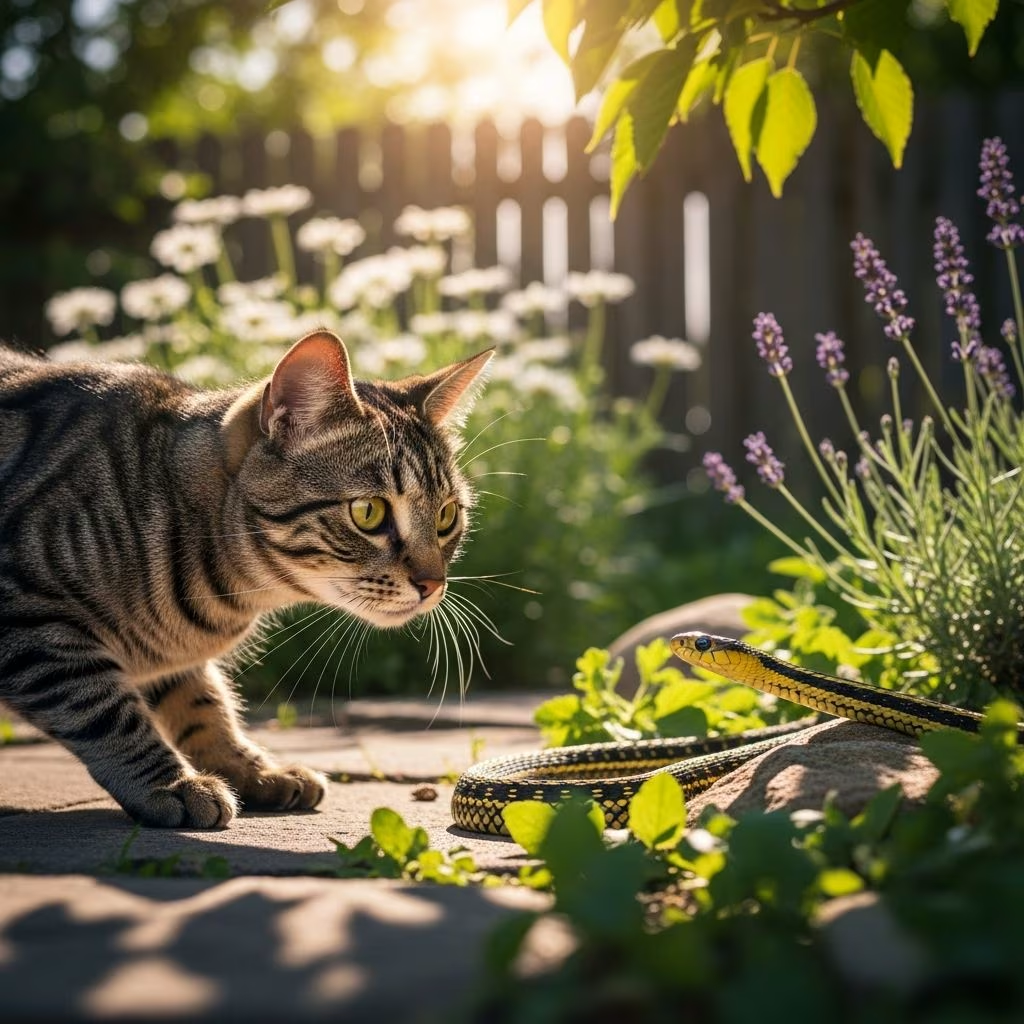
Cats possess remarkable predatory instincts that often position them as effective hunters against smaller snakes, potentially reducing snake presence in areas they frequent. However, this natural behavior comes with significant risks, particularly from venomous species, requiring pet owners to balance these benefits against potential dangers.
The Natural Hunting Dynamics Between Cats and Snakes
Felines have evolved as agile predators, equipped with sharp claws, quick reflexes, and keen senses that make them formidable opponents to many reptiles. In natural settings, cats frequently engage snakes through stalking, pouncing, and striking maneuvers that overwhelm the serpent’s defenses. These encounters highlight the cat’s speed and precision, often allowing them to dodge strikes and deliver repeated blows until the snake is subdued.
Wild and domestic cats alike demonstrate this prowess. For instance, observations show cats circling snakes to prevent escape, then unleashing rapid claw attacks that target vital areas. Even kittens exhibit these innate behaviors, approaching cautiously before leaping back from strikes and counterattacking with surprising ferocity. This predatory edge stems from their semi-wild heritage, where survival depends on hunting small prey, including reptiles.
- Cats’ lightning-fast reflexes enable evasion of snake bites.
- Sharp claws and teeth allow precise, overwhelming assaults.
- Instinctive stalking keeps prey confined during combat.
While cats often prevail against non-venomous or smaller venomous snakes, larger specimens can pose threats, especially to young or small cats. Veterinary insights confirm that cats are predators more often than prey in most ecosystems, lacking widespread natural enemies beyond exceptional cases like oversized bold snakes targeting kittens.
Potential Risks: When Snake Encounters Turn Dangerous
Despite their hunting advantages, cats face real hazards from snakes, particularly venomous ones. A snake’s defensive bite can inject toxins that lead to severe health issues, including swelling, lethargy, and systemic failure if untreated. Even if a cat successfully kills and consumes a venomous snake, residual venom in the tissues can poison the feline, mimicking a direct bite’s effects.
Snakes strike when cornered, activating their instincts just as cats do theirs. This mutual aggression can result in injuries on both sides. Pet owners must recognize symptoms of envenomation promptly: excessive drooling, difficulty breathing, paralysis, or collapse demand immediate veterinary attention. Indoor cats benefit from lower exposure, but access points like pet doors, gaps in foundations, or torn screens allow snakes entry, blurring the indoor-outdoor safety divide.
| Snake Type | Risk to Cats | Cat Response Strategy |
|---|---|---|
| Non-venomous | Low; minor scratches possible | Hunt and consume safely |
| Venomous (e.g., rattlesnake, cobra) | High; toxin injection | Dodge and strike head precisely |
| Large predatory snakes | Moderate to high for small cats | Avoid engagement if possible |
Can Cats Serve as Reliable Snake Deterrents?
The idea of deploying cats to control snake populations appeals to many homeowners, especially in regions with high reptile activity. Cats’ constant patrolling and movement detection can discourage snakes from lingering, as felines actively investigate and confront slithering intruders. Videos and anecdotes depict cats triumphing over rattlesnakes, cobras, and other threats, showcasing their role as territorial defenders.
However, reliability varies. Cats deter through presence and aggression but cannot eliminate all snakes, particularly those seeking secluded spots. In rural or wooded areas, outdoor cats may reduce sightings by preying on juveniles or smaller adults, yet venomous encounters remain a concern. Experts note cats’ wild-like behaviors persist despite domestication, aiding deterrence but not guaranteeing safety. Indoor-only cats offer minimal yard protection, shifting focus to environmental controls.
Strategies for Snake-Proofing Your Property with Cats in Mind
To leverage cats’ abilities while minimizing risks, integrate habitat modifications. Snakes seek cool, shaded cover for hunting and hiding, so eliminate these attractions:
- Clear tall grass, weeds, and debris piles.
- Secure rock stacks, woodpiles, and coiled hoses.
- Trim shrubs and seal gaps under structures.
- Manage water sources like ponds or leaky faucets.
For cats, supervise outdoor time, especially during peak snake activity like dawn and dusk. Consider snake aversion training or bells on collars to alert reptiles early. Indoor cats should have secure enclosures if yard access is needed. Fencing with tight mesh buried underground prevents snake ingress while allowing cat movement.
Health Precautions for Cats in Snake Country
Proactive veterinary care is crucial. Annual check-ups, vaccinations, and discussions about local snake species prepare owners for emergencies. Antivenom availability varies by region, so identify nearby facilities. Post-encounter, even victorious cats warrant exams to rule out subclinical venom exposure.
Cats’ startle responses to sudden appearances underscore stress management. Unfamiliar objects mimicking snakes can trigger anxiety, eroding trust. Maintain calm environments to preserve their confident predatory mindset without unnecessary fears.
Regional Considerations and Alternatives
Snake prevalence influences strategy. In arid Southwest U.S. areas rife with rattlesnakes, cat deterrence pairs with professional removal services. Tropical zones with cobras demand heightened vigilance. Non-chemical repellents like vibration stakes or predator urine offer supplements, though cats provide living, adaptive control.
Compare options:
| Method | Pros | Cons |
|---|---|---|
| Outdoor Cats | Natural, ongoing deterrence | Health risks, requires supervision |
| Yard Clearing | Low cost, immediate effect | Labor-intensive maintenance |
| Fencing | Long-term barrier | High initial expense |
| Chemical Repellents | Easy application | Potentially toxic to pets |
FAQs
Will my cat keep all snakes away?
No cat guarantees total elimination, but their presence often reduces numbers through predation and intimidation.
What if my cat gets bitten by a snake?
Rush to a vet immediately; symptoms like swelling or lethargy indicate urgency, even if the cat “won” the fight.
Are indoor cats safe from snakes?
Generally yes, but inspect for entry points like pet doors or screens to maintain security.
Can kittens handle snakes?
Kittens show instincts but lack size and experience, making them vulnerable—supervise closely.
Do cats fear snakes like cucumbers?
Surprise triggers startle responses, but cats typically hunt snakes confidently, unlike inanimate objects.
References
- Why are cats scared of cucumbers/snakes? — Ask Dr. Universe, Washington State University. 2024-04-04. https://askdruniverse.wsu.edu/2024/04/04/cats-scared-cucumbers-snakes/
- Keeping Your Cats Safe From Snakes — Marketplace Veterinary Hospital. Accessed 2026. https://www.marketplaceveterinary.com/blog/keeping-your-cats-safe-from-snakes/
- Rattlesnake Attacks Cat and Quickly Pays the Price — TCD Animals (YouTube). 2025-02-27. https://www.youtube.com/watch?v=mAXwRLnAzeo



