

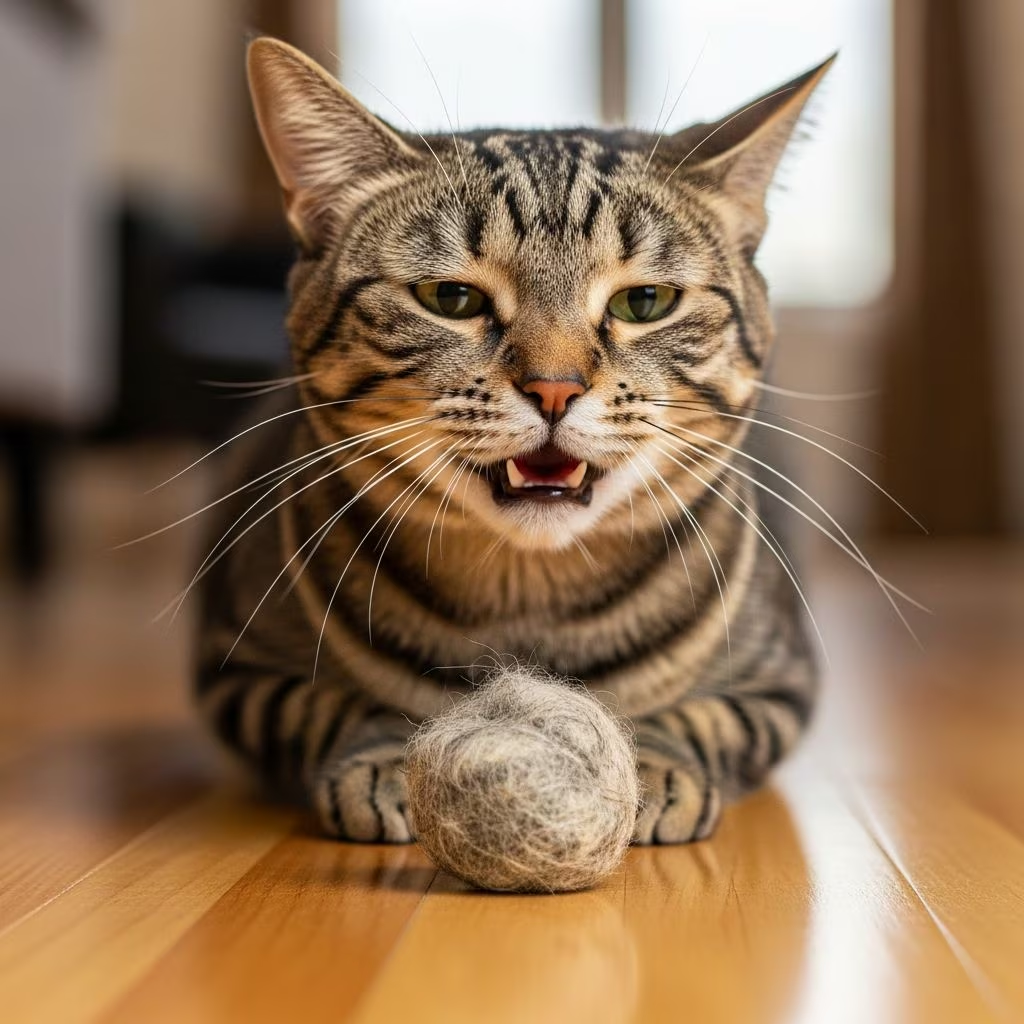
Cats are meticulous groomers, often licking their fur to stay clean, which leads to swallowing loose hair. This hair typically passes through the digestive system or gets regurgitated as hairballs, commonly mistaken for coughing. Occasional hairballs are normal, especially in long-haired breeds, but frequent occurrences may signal underlying issues.
What Is a Hairball?
A hairball, or trichobezoar, forms when ingested fur accumulates in the stomach, mixing with saliva and gastric juices to create a tubular mass. Cats cough or retch to expel it, producing a distinctive hacking sound followed by ejection of a moist, cylindrical clump of hair, sometimes with mucus or bile. Unlike vomit, hairballs are drier and elongated.
- Hairballs vary in size from small pebbles to larger tubes up to 2-3 inches long.
- They often appear after meals or during grooming sessions.
- Long-haired cats like Persians and Maine Coons are more prone due to greater fur volume.
Most hairballs form in the stomach, but severe cases can involve the intestines, leading to blockages.
Why Do Cats Get Hairballs?
Cats groom 30-50% of their day, ingesting 10-20% of their body hair daily. Normally, hair passes via feces, but excess leads to clumping. Key causes include:
- Excessive grooming: From allergies, fleas, anxiety, or skin conditions causing over-licking.
- Seasonal shedding: Heavier in spring and fall, increasing ingested fur.
- Digestive issues: Slow motility from constipation, IBD, or parasites hinders hair passage.
- Breed predisposition: Long-haired breeds shed more profusely.
- Age factors: Seniors may groom less efficiently, leading to more hairballs.
Parasites like roundworms or bacteria can irritate the gut, exacerbating the problem.
How Often Should Cats Cough Up Hairballs?
One to two hairballs per month is typical for most cats. Long-haired or heavy shedders might expel them weekly without concern. However, more than twice monthly warrants monitoring. Track frequency, as patterns can indicate health shifts.
| Frequency | Concern Level | Action |
|---|---|---|
| 1-2 per month | Normal | Continue grooming routine |
| Weekly | Monitor | Enhance prevention |
| Daily or multiple/week | High | Vet visit |
Short-haired cats rarely exceed occasional episodes unless grooming excessively.
Hairball Symptoms in Cats
Beyond the classic retching, watch for:
- Recurrent vomiting or gagging without hairball expulsion.
- Unproductive hacking or coughing.
- Loss of appetite or weight.
- Lethargy, diarrhea, or constipation.
- Distended abdomen or straining to defecate.
If symptoms persist beyond 48 hours or include blood, seek immediate care.
When to Worry About Cat Hairballs
Frequent hairballs can signal serious conditions like:
- GI obstruction: Hairball blockage causing vomiting, dehydration.
- Allergies or parasites: Triggering overgrooming.
- Asthma or respiratory issues: Mimicking hairball coughs with wheezing.
- Heart/lung disease: Coughing from fluid buildup.
Consult a vet if hairballs exceed normal frequency, accompany other symptoms, or if your cat strains without producing one. Early intervention prevents complications like intestinal blockage.
How to Prevent Hairballs in Cats
Prevention focuses on reducing ingested hair and aiding digestion:
Regular Grooming
Brush 3-5 times weekly, daily for longhairs, using tools like slicker brushes or de-shedding gloves. This removes loose fur pre-ingestion. Professional grooming quarterly helps heavy shedders.
Dietary Adjustments
Switch to hairball-control formulas high in fiber (psyllium, beet pulp) to promote hair passage. Add 1 tsp canned pumpkin daily for natural fiber. Lubricants like petroleum jelly (1/4 tsp on paw) ease transit—vet-approved only.
Hydration Boost
Encourage water intake with fountains, multiple bowls, or wet food. Dehydration slows digestion, trapping hair.
Flea Prevention
Monthly preventives stop itching-induced overgrooming.
Environmental Tips
Clean litter daily; use wipes post-brushing to remove residue.
| Method | Frequency | Benefits |
|---|---|---|
| Brushing | Daily/3x week | Reduces loose fur by 50-70% |
| Fiber-rich food | Daily | Aids GI motility |
| Water fountain | Always available | Increases intake 20-30% |
| Lubricant gel | 2-3x week | Lubricates tract |
What to Do If Your Cat Has a Hairball
Monitor post-expulsion; ensure eating/drinking resumes. If unsuccessful after 24-48 hours, or with distress, vet visit essential. Home aids like malt paste can help mild cases. Never force-feed remedies without guidance.
Frequently Asked Questions (FAQs)
What does a hairball look like?
A moist, tube-shaped mass of fur, 1-3 inches long, sometimes with food residue.
Is it normal for cats to cough up hairballs every day?
No; daily occurrences indicate a problem. Normal is 1-2 monthly.
Can hairballs be dangerous?
Yes, blockages can cause life-threatening obstructions.
How can I stop hairballs naturally?
Groom regularly, add fiber like pumpkin, ensure hydration.
Do all cats get hairballs?
Most do occasionally; long-haired breeds more frequently.
Is cat coughing always a hairball?
No; could be asthma, parasites, or heart issues.
Proactive care keeps hairballs minimal. Consult your vet for tailored plans, especially for multi-cat homes or seniors.
References
- Hairballs: What are They, and How Do I Prevent Them? — Dundee Animal Hospital. 2022-02. https://www.dundeeanimalhospital.com/blog/2022/02/hairballs-what-are-they-and-how-do-i-prevent-them/
- Is Your Cat Coughing Up Hairballs? Here’s What You Need to Know — Boulder Veterinary Hospital. N/A. https://bouldervet.com/blog/cat-hairball/
- Hack, Gag, Cough: Tips to Control Cat Hairballs — University of Wisconsin School of Veterinary Medicine. N/A. https://www.vetmed.wisc.edu/tips-to-control-cat-hairballs/
- Hairballs in Cats: Causes, Symptoms, & Remedies — WebMD. N/A. https://www.webmd.com/pets/cats/what-to-do-about-hairballs-in-cats
- Coughing Cat: Hairball or More??? — East Sac Veterinary Center. N/A. https://www.eastsacvet.com/blog/coughing-cat-hairball-or-more/
- The Danger of Hairballs — Cornell University College of Veterinary Medicine. N/A. https://www.vet.cornell.edu/departments-centers-and-institutes/cornell-feline-health-center/health-information/feline-health-topics/danger-hairballs



