

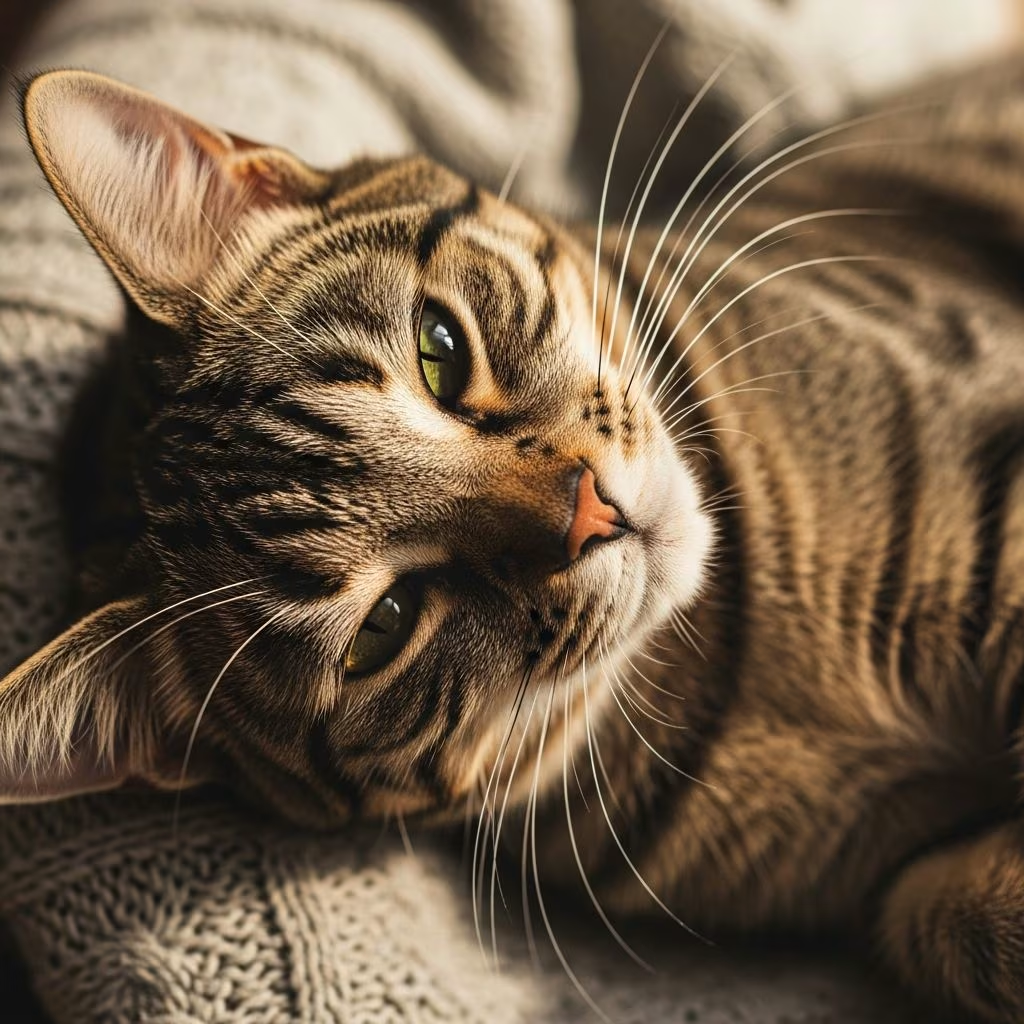
Do Cats Breathe Faster When They Purr?
When cats purr, it’s usually a long and slow sound that many people associate with contentment and happiness. However, cats can sometimes breathe faster when they purr, which is normally not a happy purr at all. Understanding the connection between purring and breathing rates is essential for cat owners who want to monitor their pet’s health and detect potential issues early.
The relationship between purring and breathing is more complex than it might initially seem. While a cat’s normal purr is a soothing rumble that continues as the cat breathes in and out, rapid purring combined with faster breathing may indicate that your cat is experiencing pain, anxiety, or stress. This article explores the fascinating mechanics of cat purring, the reasons behind rapid breathing during purring, and what you should do if you notice these signs in your feline companion.
Understanding Cat Purring Mechanics
A cat’s purr is produced by rapid, rhythmic contractions of the laryngeal (voice box) muscles combined with movement of the diaphragm. This motion causes a sudden separation of the vocal cords, which results in the signature vibrating hum that cats are known for. The purring sound is created as air travels through the larynx, vibrating against the vocal cords to produce that distinctive deep rumbling sound.
Most cats purr at a frequency between 25 and 150 Hertz, which is interestingly the same frequency range known to promote healing and reduce pain in humans and animals. This remarkable coincidence has led researchers to investigate whether purring serves a therapeutic purpose beyond simple communication.
The frequency at which cats purr is quite specific. Cats purr at 25Hz to 100Hz, with research demonstrating that frequencies between 20 and 50 Hz increase bone density and relax tense muscles. This natural healing frequency may be one reason cats purr even when they’re not content—it could serve as a self-healing mechanism during times of stress or injury.
Purring and Breathing Fast in Cats
Cats can purr when they’re in pain, and the purring of a cat in pain is usually fast and short, matching the cat’s faster breath. Tachypnea is the technical term for faster breathing than usual and is one of the ways cats can express pain. If your cat is purring and breathing rapidly, they could be anxious or in pain, and this distinction is crucial for pet owners to recognize.
The key difference between a happy purr and a pain-related purr is the pace and intensity. A content cat produces a steady, rhythmic purr at a normal breathing rate. A cat in distress will purr rapidly, with short bursts of sound that correspond to faster, more labored breathing. This rapid purring is not a sign of happiness but rather a potential warning sign that requires attention.
Why Cats Purr When in Pain
The phenomenon of cats purring when experiencing pain has several explanations:
- Physical pain relief: The vibrations from purring may provide direct pain relief through the therapeutic frequencies mentioned earlier.
- Breathing control: Cats may purr to control their breathing when tachypnea occurs, as faster breathing often accompanies painful conditions.
- Accelerated healing: The specific frequency of a cat’s purr promotes bone and tissue growth, which can speed up recovery from injuries or illness.
- Self-soothing mechanism: Cats may purr when frightened, anxious, or in pain as a natural self-soothing response, similar to how humans seek comfort during stressful times.
Normal Versus Abnormal Breathing in Cats
Understanding what constitutes normal breathing in cats is essential for identifying potential health concerns. If your cat takes more than 30 breaths in one minute (15 breaths in 30 seconds) when resting, they are experiencing tachypnea and are breathing too quickly. The normal sleeping respiratory rate in cats ranges from 20-30 breaths per minute, and resting (awake) respiratory rates typically fall between 22-23 breaths per minute.
When cats purr, the respiratory rate may increase, and this is often normal. However, there’s an important distinction: normal purring should not cause dramatically elevated breathing rates. A cat that is purring while breathing normally is likely content or engaged in a positive activity. A cat that is purring while breathing rapidly and heavily may be experiencing distress.
Signs of Abnormal Breathing Requiring Veterinary Attention
Signs that your cat is breathing heavily or is having trouble breathing include:
- Breathing that appears labored or forced
- Open-mouth breathing (cats typically breathe through their nose)
- Wheezing or crackling sounds during breathing
- Rapid breathing that persists even at rest
- Flaring nostrils or visible chest movement during breathing
- Lethargy or weakness accompanying rapid breathing
- Difficulty settling down or finding a comfortable position
It’s important to note that heavy breathing will not usually be accompanied by the rumbling sound of purring. If your cat is breathing heavily, the sound quality may be different from their normal purr. If you observe any of these signs, particularly when combined with rapid purring, contact your veterinarian promptly.
How to Monitor Your Cat’s Breathing Rate
Cat owners can monitor their pet’s breathing rate at home using a simple technique. Use a digital watch or one with a second hand to count the number of breaths in 15 seconds. One inhalation and one exhalation count as one breath. Multiply the number of breaths in 15 seconds by 4 to get the respiratory rate per minute.
For the most accurate measurement, count your cat’s breathing while they are sleeping or at rest, as activity and stress can temporarily increase the breathing rate. If you notice your cat breathing faster than 30 breaths per minute during rest, and this persists over time, consult your veterinarian. If your cat is breathing too quickly but isn’t experiencing signs of struggling to breathe, take the same measurements over the next 30 minutes to confirm whether the elevated rate is consistent or temporary.
The Healing Power of Cat Purring
Some studies suggest that the low-frequency vibrations of a purr can aid in healing bones, reduce swelling, and even help with breathing. Cats are remarkable healers, and their purring may actually help them recover more efficiently from injury or illness. This healing property extends beyond just pain relief; the vibrations can stimulate bone growth and tissue repair at the cellular level.
Research in bioacoustics has demonstrated that the frequencies produced by cat purring fall within ranges known to promote tissue healing and bone density. This is why cats instinctively purr during recovery periods—they’re engaging in a form of natural therapy. For cat owners, understanding this can help contextualize why a cat recovering from surgery or injury might purr frequently during the healing process.
Distinguishing Between Happy and Distressed Purring
While all purring involves similar physiological mechanisms, the context and pattern can help you determine whether your cat is content or in distress. A happy, content cat typically purrs at a steady, rhythmic pace that continues consistently as long as they’re relaxed. This purr is usually audible at a comfortable volume and the cat’s body is relaxed, with eyes partially closed or slowly blinking.
In contrast, a cat purring due to pain or anxiety may exhibit the following characteristics:
- Rapid, stuttering purr rather than a smooth rhythm
- Shortened bursts of purring followed by silence
- Purring that coincides with rapid breathing (faster than 30 breaths per minute at rest)
- Tense body posture despite purring
- Other signs of distress such as dilated pupils, flattened ears, or a tucked tail
- Reluctance to be touched or moved
If you observe these signs, your cat may be communicating discomfort rather than contentment, and a veterinary examination is warranted.
When to Contact Your Veterinarian
Rapid breathing in cats warrants veterinary attention if it persists, particularly when combined with other symptoms. Contact your veterinarian if you notice:
- Consistent rapid breathing (over 30 breaths per minute at rest) that lasts more than a few hours
- Rapid breathing that doesn’t improve with rest and relaxation
- Labored or difficult breathing at any time
- Changes in your cat’s normal breathing pattern
- Rapid breathing accompanied by lethargy, loss of appetite, or behavioral changes
- Your cat showing signs of pain while purring and breathing rapidly
Early intervention can prevent minor respiratory issues from developing into serious health problems. Your veterinarian can assess your cat’s breathing, heart rate, and overall health status to determine whether the rapid breathing indicates a health concern or is simply a temporary response to excitement or mild stress.
Frequently Asked Questions
Q: Is it normal for cats to breathe faster when they purr?
A: When cats purr, the respiratory rate may increase, and this is often normal, particularly in kittens or very excited cats. However, if your cat’s breathing becomes noticeably rapid or labored while purring, this may indicate pain or anxiety rather than contentment.
Q: What does rapid purring with fast breathing mean?
A: Rapid purring combined with fast breathing may indicate that your cat is in pain, anxious, or stressed. This is different from the slow, steady purr of a contented cat. If you notice this pattern, monitor your cat closely and contact your veterinarian if the rapid breathing persists.
Q: How can I tell if my cat’s breathing is abnormally fast?
A: Count your cat’s breaths while they’re resting. If they take more than 30 breaths per minute (more than 15 breaths in 30 seconds) during rest, they may be experiencing tachypnea. Healthy resting respiratory rates for cats typically fall between 20-30 breaths per minute.
Q: Can purring actually help my cat heal?
A: Yes, research suggests that the frequency range of cat purring (25-150 Hz) promotes bone density, reduces swelling, and aids in healing. This may explain why cats instinctively purr more frequently when recovering from injury or illness.
Q: My cat is purring rapidly and breathing fast. Should I be worried?
A: Rapid purring combined with fast breathing should be evaluated. While it may indicate pain or stress, it could also be a temporary response to excitement. Monitor your cat for other signs of distress, such as reluctance to move, changes in appetite, or unusual behavior, and contact your veterinarian if the rapid breathing persists beyond a few hours.
Q: What is tachypnea in cats?
A: Tachypnea is the medical term for abnormally rapid breathing. In cats, this typically means more than 30 breaths per minute during rest. It can be caused by pain, anxiety, fever, heart disease, or respiratory problems.
Final Thoughts
Cats often purr when they breathe in and out, with air traveling through the larynx and vibrating against the vocal cords to create that deep, rumbling purr sound. Cats normally purr when they’re content or excited, and it’s usually a low and slow sound that’s pleasant to hear. However, if your cat is breathing quickly and the purring is rapid, it may mean that your cat is in pain and should be examined by your veterinarian.
Understanding the nuances of cat purring and breathing can help you become a more attentive pet owner. By learning to distinguish between happy purrs and distressed purrs, and by monitoring your cat’s breathing rate, you can catch potential health issues early and ensure your feline companion receives timely care. When in doubt, always err on the side of caution and consult your veterinarian about any changes in your cat’s breathing or behavior.
References
- Decoding the Cat’s Purr — Heineke Veterinary Hospital. https://heinekevet.com/decoding-the-cats-purr/
- Sleeping and resting respiratory rates in healthy adult cats and cats with subclinical structural heart disease — National Center for Biotechnology Information (NIH). 2024. https://pmc.ncbi.nlm.nih.gov/articles/PMC11383104/
- Do Cats Breathe Faster When They Purr? Vet-Verified Facts & FAQ — Catster. https://www.catster.com/nutrition/do-cats-breathe-faster-when-they-purr/
- Monitoring Breathing Rate in Dogs and Cats — San Bruno Pet Hospital. https://sanbrunopet.com/pet-care-tips/monitoring-breathing-rate-dogs-cats/
- Measuring Your Pet’s Breathing Rate — Texas A&M College of Veterinary Medicine & Biomedical Sciences. 2018. https://vethospital.tamu.edu/hospital/wp-content/uploads/sites/15/2018/01/cardiology-home-breathing.pdf
- There’s Magic in a Cat’s Purr — Wildlife Conservation Network. https://wildnet.org/theres-magic-in-that-purr/



