

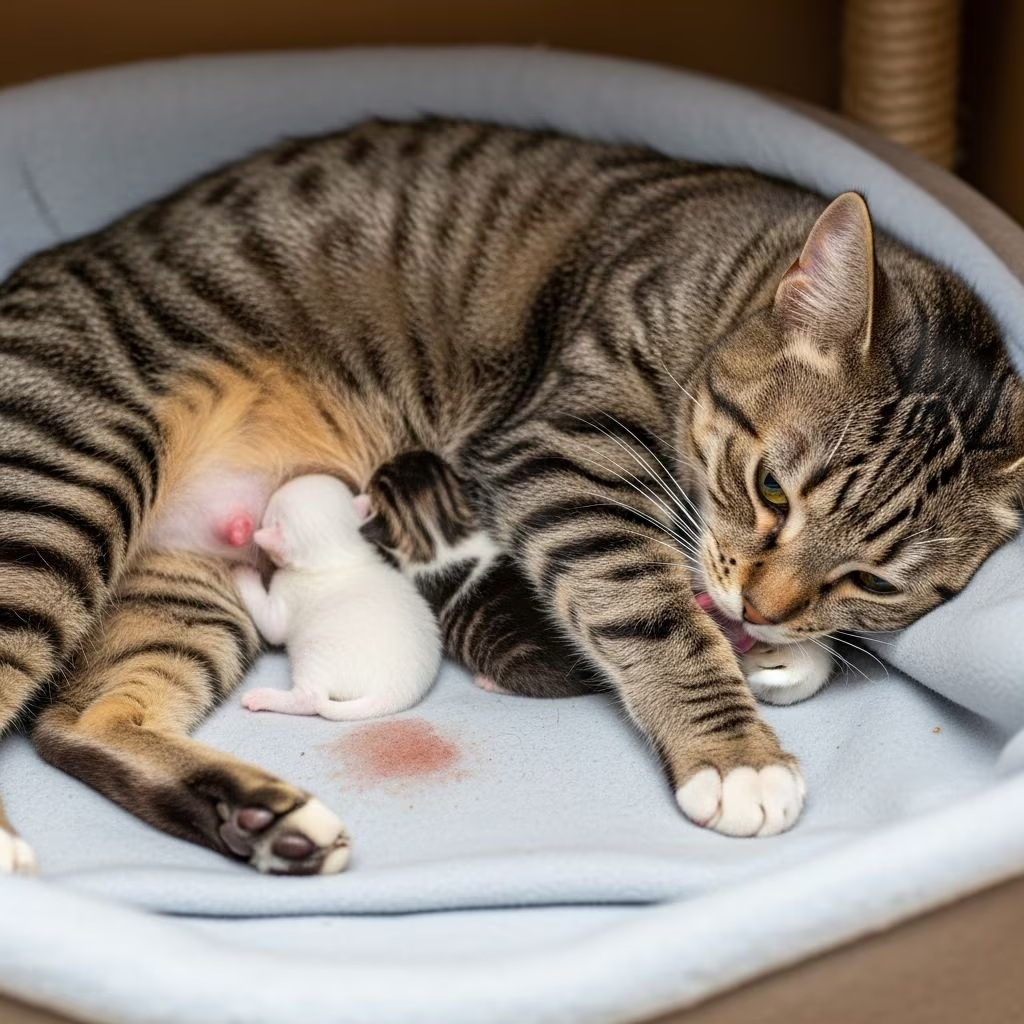
Yes, it is normal for cats to experience some bleeding or discharge after giving birth, known as lochia, which typically lasts a few days to a week as the uterus sheds its lining and returns to normal size. This postpartum discharge is usually light, reddish-brown, and decreases over time, but heavy, prolonged, or foul-smelling bleeding signals potential issues like retained placentas, infections, or metritis requiring immediate veterinary attention.
Understanding these processes helps cat owners monitor their queen’s recovery effectively, ensuring both mother and kittens thrive. This article covers normal vs. abnormal bleeding, common complications, care tips, and FAQs based on veterinary insights.
What Is Lochia in Cats?
Lochia is the vaginal discharge produced after a cat gives birth, consisting of blood, mucus, and tissue from the uterus as it involutes or shrinks back to pre-pregnancy size. This natural process mimics menstrual-like shedding and is a sign of healthy postpartum recovery.
- Appearance: Typically light red to brown, watery or slightly thick.
- Duration: 3-7 days, gradually lightening and stopping.
- Volume: Spotting or small amounts; not heavy soaking.
If lochia persists beyond a week or changes to bright red, pus-like, or green discharge, it may indicate problems like uterine infections.
Is Postpartum Bleeding Normal for Cats?
Slight bleeding is common and expected immediately after delivery as each placenta detaches, but it should diminish quickly. Mother cats often clean themselves and kittens, masking minor spotting.
Normal signs include:
- Minimal bright red blood right after birth, transitioning to lochia.
- No distress; queen remains active, eating, and nursing.
- Complete within 1-2 weeks max.
Monitor closely: One kitten per placenta should be delivered, and all should pass within hours. Retained placentas can cause ongoing bleeding.
How Long Does Bleeding Last After Cat Gives Birth?
Postpartum bleeding usually lasts 3-7 days, peaking in the first 24-48 hours then tapering off. By day 10, it should be gone entirely in uncomplicated cases.
| Time Frame | Expected Discharge | Action if Abnormal |
|---|---|---|
| Day 1-3 | Light red/brown lochia, moderate volume | Observe; vet if heavy |
| Day 4-7 | Decreasing, clearer mucus | Monitor for odor/fever |
| After 7 days | None | Seek vet immediately |
Factors like litter size influence duration; larger litters may prolong mild discharge.
When to Worry About Bleeding After Cat Birth
Excessive bleeding—dripping, pooling, or soaking bedding—beyond 24 hours post-birth warrants concern. Accompanying symptoms amplify urgency:
- Foul odor from discharge (infection sign).
- Lethargy, fever, or loss of appetite.
- Swollen abdomen or neglect of kittens.
- Bright red blood persisting over a week.
Prompt vet visits prevent sepsis or kitten starvation.
Common Postpartum Complications in Cats
Retained Placenta
If a placenta doesn’t expel, it leads to infection and bleeding. Symptoms: Prolonged labor, foul discharge. Treatment: Oxytocin injections or surgery.
Metritis (Uterine Infection)
Bacterial invasion post-birth causes pus-filled, bloody discharge, fever, and dehydration. Risk factors: Difficult births, large litters. Untreated, it leads to septic shock. Antibiotics and fluids cure most cases.
Eclampsia (Milk Fever)
Calcium depletion from lactation triggers tremors, weakness, not direct bleeding but can coincide with complications. Common in large litters; requires emergency calcium therapy.
Hemorrhaging or Clotting Disorders
Rare congenital issues like hemophilia cause prolonged bleeding post-trauma or birth. Acquired from liver disease or drugs; monitor gums, stools for signs.
Mastitis
Udder infection leads to painful swelling, fever, bloody milk; queen may abandon kittens.
Signs Your Cat Needs a Vet After Giving Birth
Beyond bleeding, watch for:
- Straining without kittens (dystocia).
- Uterine prolapse (womb exteriorized).
- Reduced nursing or crying kittens.
- Dark gums, rapid breathing.
Err on caution: Postpartum queens deteriorate fast.
Postpartum Care for Mother Cat and Kittens
Provide a warm, quiet nest with soft bedding changed daily to manage lochia.
- Nutrition: High-calorie kitten food, unlimited fresh water.
- Hygiene: Allow self-cleaning; gently wipe if needed with warm water.
- Monitoring: Check temp (100-102.5°F normal), weight, kitten weights daily.
- Diapering: Use cat diapers for heavy spotters to keep nest clean.
- Supplements: Vet-approved calcium if large litter.
Vet check 24-48 hours post-birth counts kittens via ultrasound.
Preventing Postpartum Problems in Cats
Spay non-breeding cats to avoid risks. For breeders:
- Pre-birth vet exams, balanced diet.
- Small litter sizes via controlled breeding.
- Hygiene during delivery.
Early detection via daily checks saves lives.
Frequently Asked Questions (FAQs)
Is it normal for my cat to bleed a week after giving birth?
No, bleeding beyond 7 days is abnormal; contact a vet for potential retained tissue or infection.
What does normal cat lochia look like?
Light red to brown, mucus-like, decreasing in amount over days.
Can postpartum bleeding harm kittens?
Not directly, but illness in queen leads to neglect or poor milk; keep nest clean.
How much bleeding is too much after cat birth?
Dripping steadily, large clots, or soaking pads hourly; emergency.
Should I use diapers on my cat after birth?
Yes, for heavy lochia to maintain hygiene and monitor volume.
Conclusion: Vigilance Ensures Healthy Recovery
While some bleeding is normal, knowing limits empowers owners to act swiftly. Prioritize vet partnerships for safe queening.
References
- Is it normal for my cat to still be bleeding a bit after having kittens — Dial a Vet. 2023. https://www.dialavet.com/vet-answers/cat-bleeding-after-kittens-76035
- Bacterial Infection (Metritis) of the Uterus in Cats — PetMD. 2024-01-14. https://www.petmd.com/cat/conditions/reproductive/c_ct_metritis
- Eclampsia in Cats – Symptoms, Causes, Diagnosis, Treatment — WagWalking. 2023. https://wagwalking.com/cat/condition/eclampsia-
- Bleeding Disorders of Cats – Cat Owners — Merck Veterinary Manual. 2025. https://www.merckvetmanual.com/cat-owners/blood-disorders-of-cats/bleeding-disorders-of-cats
- Post partum complications — High Street Epping Veterinary Clinic. 2023. https://www.highstreeteppingvetclinic.com/post-partum-complications.pml
- Cat Diapers for Feline Postpartum — Pet Parents Brand. 2024. https://petparentsbrand.com/blogs/health/cat-diapers-for-when-your-at-gives-birth
- After birth | Advice on cat birthing and kittens — Cats Protection. 2024. https://www.cats.org.uk/help-and-advice/pregnancy-and-kitten-care/after-birth



