

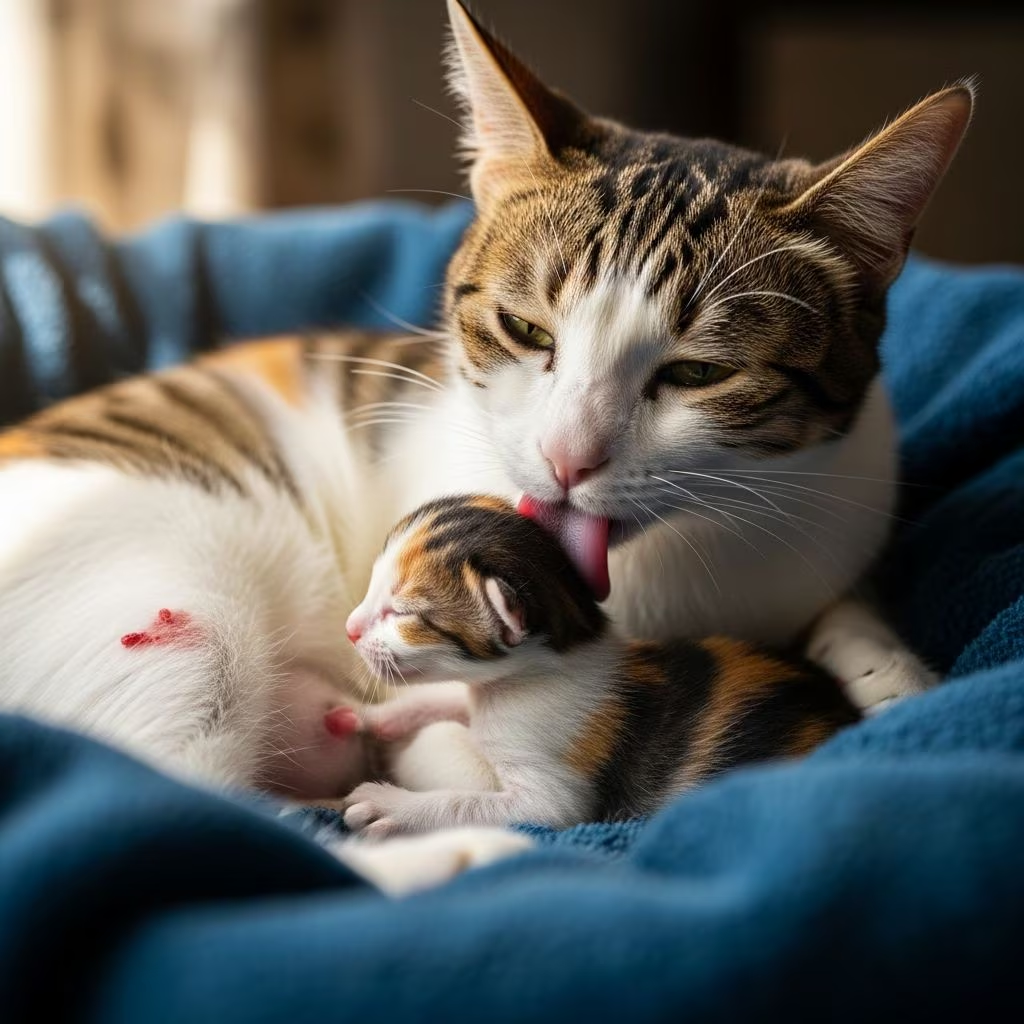
Yes, it is normal for cats to experience some bleeding or discharge after giving birth, known as lochia. This is a natural postpartum process where the uterus sheds its lining and blood from placental sites as it contracts back to normal size. Light spotting or reddish-brown discharge typically lasts 1-3 weeks but should gradually decrease in volume and intensity.
However, not all bleeding is benign. While mild lochia is expected, heavy, bright red bleeding, foul-smelling discharge, or persistence beyond 3 weeks signals potential emergencies like retained placentas, metritis (uterine infection), or clotting disorders. Prompt veterinary intervention is crucial to protect the queen and her kittens.
What Is Lochia in Cats?
Lochia refers to the vaginal discharge following feline parturition (birth). It consists of blood, mucus, and tissue debris from the uterine lining and placental separation sites. Initially dark red or bloody, it transitions to pinkish, then clear or yellowish over days.
- Duration: 3-21 days, peaking in the first week and tapering off.
- Appearance: Starts as fresh blood-tinged mucus, becomes serosanguinous (blood-mixed serum), and ends watery.
- Volume: Light spotting; a few drops to teaspoon-sized amounts daily is normal.
- Odor: Mild or none; strong foul smell indicates infection.
This process aids uterine involution, where the organ shrinks from pregnancy size (up to 10x normal) back to pre-pregnancy state within 6-8 weeks. Queens with larger litters may have more pronounced lochia due to multiple placental sites.
Normal vs. Abnormal Bleeding After Cat Birth
Distinguishing routine lochia from pathology is vital. Here’s a comparison:
| Aspect | Normal Lochia | Abnormal Bleeding |
|---|---|---|
| Color | Dark red to pink/brown, fading to clear | Bright red, green pus, or black/clotted |
| Volume | Light spotting (drops) | Heavy flow, soaking bedding |
| Duration | 1-3 weeks, decreasing | >3 weeks or sudden increase |
| Odor | Mild/earthy | Foul, fishy, or putrid |
| Queen’s Behavior | Alert, eating, nursing | Lethargic, feverish, off food |
Data synthesized from veterinary sources. Abnormal signs warrant immediate vet care to prevent sepsis or kitten neglect.
How Long Does Postpartum Bleeding Last in Cats?
Typically, lochia lasts 1-3 weeks, with the heaviest discharge in the first 3-7 days. By day 10, it should be minimal, resolving fully by week 3 as the uterus involutes. Factors influencing duration include:
- Litter size: Larger litters mean more placental sites, prolonging discharge.
- Queen’s age/health: Younger, fit cats recover faster.
- Nutrition: Calcium-rich diets support clotting and healing.
- Hygiene: Clean environment reduces infection risk.
If bleeding persists beyond 21 days or worsens, diagnostics like ultrasound for retained tissue or blood tests for infection are needed.
Causes of Excessive Bleeding After Giving Birth
Several conditions can cause problematic hemorrhage post-birth:
Retained Placenta or Kitten
Each kitten has one placenta, expelled within 30 minutes post-delivery. Retention leads to infection and bleeding. Symptoms: Prolonged labor, foul discharge, fever. Treatment: Oxytocin injections, manual removal, or spay.
Metritis (Uterine Infection)
Bacterial invasion (e.g., E. coli) post-difficult birth or dystocia. Occurs within 1 week; signs include pus-filled bloody discharge, swollen abdomen, neglect of kittens, fever. Aggressive antibiotics and supportive care required; untreated leads to septic shock.
Hemorrhagic Disorders
Rare congenital issues like hemophilia A (Factor VIII deficiency) or acquired thrombocytopenia from drugs/liver disease cause poor clotting. Post-surgical or traumatic bleeding common.
Eclampsia (Milk Fever)
Hypocalcemia from lactation demands in large litters; indirect bleeding via weakness/trauma.
Subinvolution of Placental Sites (SIPS)
Placental arteries fail to close fully; fresh bleeding lasts weeks/months. Common in young queens; often self-resolves but monitor for anemia.
When to Worry: Emergency Signs
Call your vet immediately if you observe:
- Heavy bleeding: More than a tablespoon/hour or pooling blood.
- Foul discharge: Greenish, pus-like, or rotting odor.
- Behavioral changes: Lethargy, anorexia, aggression toward kittens.
- Physical signs: Pale gums, rapid breathing, swollen belly, dehydration (skin tenting).
- Kitten issues: Crying excessively, poor weight gain due to neglected nursing.
Postpartum hemorrhage can lead to shock; queens may appear normal until collapse.
Postpartum Care for Your Cat and Kittens
Support recovery to minimize complications:
- Nest: Quiet, warm (75-80°F), draft-free whelping box with clean towels.
- Nutrition: High-calorie kitten food, unlimited fresh water; supplement calcium if large litter (vet-approved).
- Hygiene: Spot-clean discharge; use cat diapers if needed to keep nest dry.
- Monitoring: Check temp (100-102.5°F), gums (pink), discharge daily.
- Rest: Limit visitors; handle minimally first week.
- Vet check: 24-48 hours post-birth for dew claws, weights, and health screen.
Weigh kittens daily; they should gain 10-15g/day. Separate if queen unwell.
Preventing Postpartum Complications
- Pre-birth vet exam and ultrasound.
- Spay non-breeding cats to avoid risks.
- Balanced pregnancy diet.
- Assist only if prolonged labor (>60 min/kitten).
- Count placentas during birth.
Frequently Asked Questions (FAQs)
Q: Is it normal for my cat to bleed a week after giving birth?
A: Yes, light lochia up to 1-3 weeks is normal if decreasing and odorless. Monitor closely.
Q: What does metritis look like in cats?
A: Foul-smelling bloody/pus discharge, fever, lethargy, poor milk production within 1 week post-birth.
Q: How much bleeding is too much after cat birth?
A: Anything soaking bedding, bright red, or with clots; seek vet if > drops.
Q: Can I use cat diapers for postpartum bleeding?
A: Yes, they keep the nest clean and absorb lochia effectively.
Q: When should I take my cat to the vet after birth?
A: Routine check 1-2 days post; immediately for abnormal signs.
Q: Does eclampsia cause bleeding in nursing cats?
A: Indirectly via tremors/trauma; calcium deficiency from lactation.
References
- Is it normal for my cat to still be bleeding a bit after having kittens — DialaVet. 2023. https://www.dialavet.com/vet-answers/cat-bleeding-after-kittens-76035
- Bacterial Infection (Metritis) of the Uterus in Cats — PetMD. 2024-01-15. https://www.petmd.com/cat/conditions/reproductive/c_ct_metritis
- Eclampsia in Cats: Life-threatening Hypocalcemia — WagWalking. 2023. https://wagwalking.com/cat/condition/eclampsia-
- Bleeding Disorders of Cats – Cat Owners — Merck Veterinary Manual. 2025. https://www.merckvetmanual.com/cat-owners/blood-disorders-of-cats/bleeding-disorders-of-cats
- Post partum complications — High Street Epping Veterinary Clinic. 2024. https://www.highstreeteppingvetclinic.com/post-partum-complications.pml
- Cat Diapers for Feline Postpartum — Pet Parents. 2023. https://petparentsbrand.com/blogs/health/cat-diapers-for-when-your-at-gives-birth



