

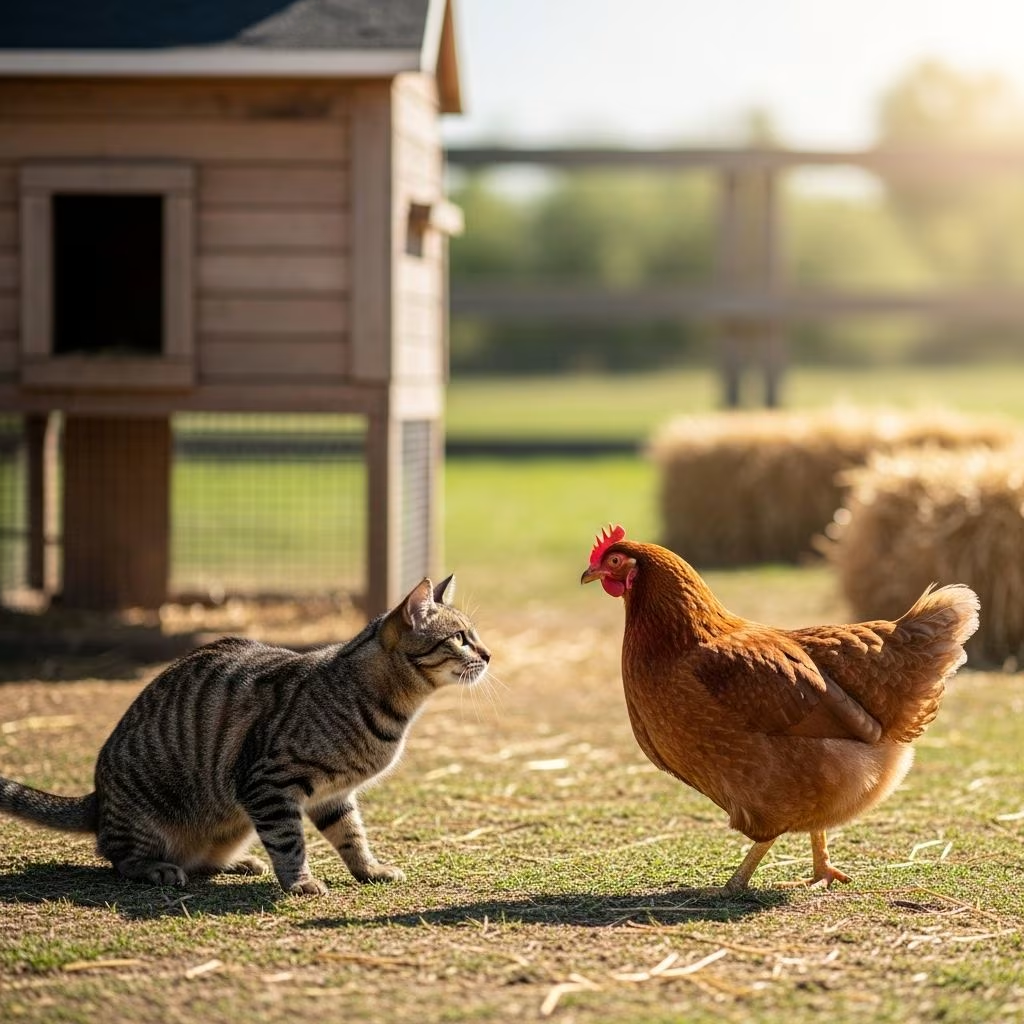
Cats are natural predators with a strong prey drive, making them capable of attacking chickens, particularly vulnerable baby chicks, though attacks on healthy adult chickens are less common but still possible. While some cats and fully grown chickens can learn to coexist peacefully under supervised conditions, vigilance is essential to protect poultry from feline instincts.
Why Do Cats Attack Chickens?
Cats possess an innate hunting instinct honed over thousands of years as solitary predators, viewing small, moving animals like chickens as potential prey regardless of hunger. This prey drive can be triggered by the erratic movements, peeping sounds, or small size of baby chicks, turning curiosity into a fatal pounce even if the cat views it as play.
Environmental factors exacerbate this behavior. Boredom, stress, or lack of mental stimulation can heighten a cat’s interest in backyard chickens, leading to stalking patterns such as low crouching, tail twitching, intense staring, and sudden lunges. Neighborhood or feral cats, often underfed or semi-wild, pose an even greater threat, as evidenced by reports of well-fed domestic cats decimating juvenile flocks purely for sport.
- Predatory Triggers: High-pitched chick sounds mimic small rodents or birds cats hunt naturally.
- Boredom Factor: Indoor cats with insufficient play may fixate on visible poultry.
- Territorial Instincts: Stray cats may attack to defend perceived territory or simply for amusement.
Statistics from backyard farming communities indicate cats account for notable poultry losses, with one owner reporting over 30 juvenile birds killed in two days by a neighbor’s domestic cat. This underscores that domestication does not fully suppress a cat’s wild ancestry.
Adult Chickens vs. Baby Chicks: Different Risks
Adult chickens rarely fall victim to cat attacks due to their size, sharp beaks, powerful legs, and defensive spurs, which can injure or deter felines. A healthy hen or rooster often outweighs a typical house cat and can fight back effectively, leading many cats to avoid the risk altogether.
Baby chicks, however, are prime targets. Until they reach the size of a house cat—typically around 8-12 weeks—they remain vulnerable snacks or playthings. Cats may not intend to eat them but can accidentally kill through rough play, as their claws and teeth trigger fatal injuries.
| Chicken Stage | Risk Level from Cats | Reasons | Prevention Priority |
|---|---|---|---|
| Baby Chicks | High | Small size, weak defenses, appealing movements/sounds | Critical – Never unsupervised |
| Juveniles (4-8 weeks) | Medium-High | Growing but still smaller than cats | High – Secure coops essential |
| Adult Chickens | Low | Large size, aggressive defense | Moderate – Supervise interactions |
Real-world accounts confirm this divide: feral or hungry cats target chicks and juveniles, while plump house cats may still strike opportunistically.
Signs Your Cat Is About to Attack Chickens
Recognizing early warning signs allows intervention before harm occurs. Monitor for these classic predatory behaviors around poultry areas.
- Stalking Posture: Cat crouches low to the ground, belly nearly touching earth, with ears perked forward.
- Tail Signals: Rapid twitching or lashing indicates building excitement and intent to pounce.
- Focused Gaze: Dilated pupils and unblinking stare fixed on the chickens, ignoring surroundings.
- Body Tension: Rigid muscles, flattened back, and subtle forward creeping.
- Vocal Cues: Low chattering or meowing, mimicking hunting calls.
If these escalate to a crouch-and-leap attempt, separate immediately. Changes from playful curiosity to intense fixation signal rising prey drive, often linked to under-stimulation.
How to Stop Your Cat from Attacking Chickens
Prevention combines environmental management, behavioral redirection, and physical barriers. Start with securing chickens in predator-proof coops, especially at night, using hardware cloth over chicken wire to block clever cats.
Redirect your cat’s energy through daily interactive play sessions with toys mimicking prey, such as feather wands or laser pointers, to satisfy hunting urges indoors. Ensure a nutrient-rich diet to reduce food-motivated attacks, and avoid leaving chicken feed accessible, as it attracts felines.
- Supervised Introductions: Use leashes or harnesses for gradual, controlled exposure.
- Enrichment Boost: Puzzle feeders, climbing trees, and window perches distract from poultry.
- Deterrents: Motion-activated sprinklers or citrus scents repel cats from coops.
- Neutering: Reduces roaming and aggression in outdoor cats.
For neighbor cats, humane traps followed by relocation (with owner notification) or improved coop fortification are effective, as one farmer did after repeated invasions.
Can Cats and Chickens Coexist Peacefully?
Yes, under ideal conditions, some cats and adult chickens coexist with minimal interest in each other. Success stories involve early socialization, where kittens are introduced to mature birds in controlled settings, fostering indifference.
Key success factors include a larger chicken flock where birds outnumber and intimidate the cat, plus a confident cat breed less prone to high prey drive, like Ragdolls over Bengals. Smaller cats paired with hefty adults tip odds further in favor of peace.
However, guarantees are absent—instincts can resurface with stress, new chicks, or hormonal changes. Always prioritize supervised interactions and escape-proof enclosures.
- Pro-Coexistence Tips: Confine chicks until adult-sized; provide catio spaces for safe viewing.
- Real Anecdotes: Some owners report cats ignoring chickens after months of calm exposure, treating them as barnyard fixtures.
What to Do If a Cat Attacks Your Chicken
Act swiftly if a cat attacks, as feline saliva carries bacteria causing deadly infections like pasteurellosis. Isolate the bird immediately, clean wounds with antiseptic, and apply antibiotic ointment.
Rush to a vet for puncture wounds, which require systemic antibiotics and possible wound drainage. Monitor for shock symptoms: lethargy, labored breathing, or swelling. Survival rates improve with prompt care, as one owner saved a bantam hen post-attack by quick intervention.
- Immediate Steps: Stop bleeding, warm the chicken, offer electrolytes.
- Vet Essentials: Baytril or similar for infections; quarantine to prevent flock spread.
- Predator Response: Trap and remove offending cat humanely.
Frequently Asked Questions (FAQs)
Do cats eat chickens they kill?
Cats often kill for sport or play rather than hunger, leaving carcasses uneaten, unlike dogs or foxes.
Will a well-fed cat still attack chickens?
Yes, prey drive is instinctual, not solely hunger-driven; bored or playful cats strike regardless of food access.
How do I protect chicks from cats?
House in secure brooders indoors or fortified runs until cat-sized; never free-range unsupervised.
Are feral cats worse than pets?
Feral or underfed cats are more aggressive, but pampered pets can still hunt juveniles for fun.
Can I train my cat to ignore chickens?
Training via positive reinforcement and enrichment reduces risks, but instincts persist—supervision is key.
References
- Could my cat actually try to attack or kill my chickens? — Dial A Vet. 2023-05-15. https://www.dialavet.com/vet-answers/cat-eyeing-chickens-unusually-50436
- Do Cats Attack Chickens? Can They Coexist? Vet-Reviewed — Catster. 2024-08-20. https://www.catster.com/cat-behavior/do-cats-attack-chickens/
- Cat killing my chickens — BackYard Chickens Forum. 2022-11-10. https://www.backyardchickens.com/threads/cat-killing-my-chickens.1476447/
- Here’s What to Do If Your Chicken Is Attacked by a Cat — Tender Gardener. 2023-07-12. https://tendergardener.com/what-to-do-if-chicken-is-attacked-by-a-cat/
- Are Cats a Danger to My Flock? — Hobby Farms. 2024-03-05. https://www.hobbyfarms.com/are-cats-a-danger-to-my-flock/



