

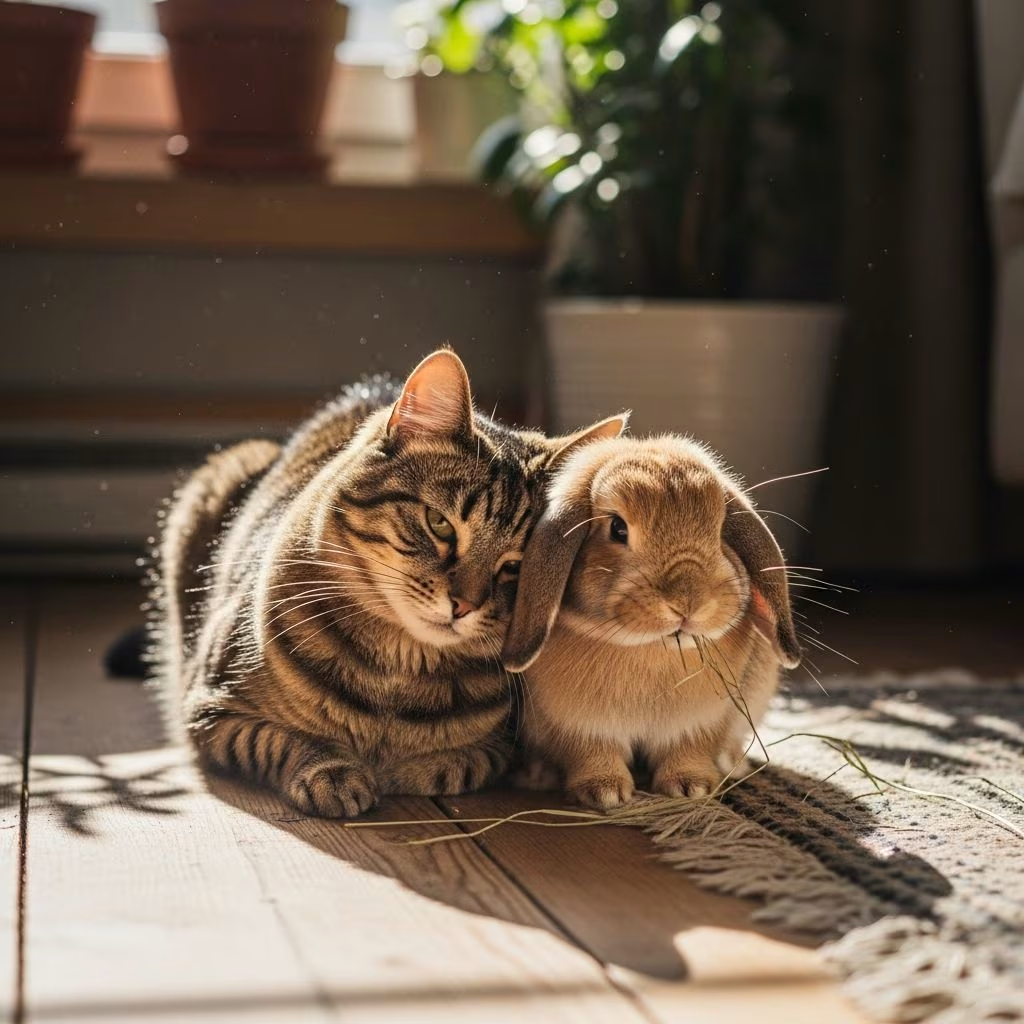
Cats and rabbits can coexist peacefully in many households, but success depends on their individual personalities, proper introductions, and ongoing management due to their predator-prey instincts.
Understanding the Natural Instincts of Cats and Rabbits
Cats are natural predators with instincts to stalk, chase, and pounce, even in domestic settings. This makes them potentially intimidating to rabbits, which are prey animals highly sensitive to sudden movements, noise, and changes. Rabbits respond to perceived threats by freezing, thumping, or fleeing, which can inadvertently trigger a cat’s hunting drive.
Despite these instincts, domestication has softened some predatory behaviors in cats, allowing many to form bonds with rabbits. Individual variation plays a key role: a laid-back cat paired with a confident rabbit often fares best. Factors like breed temperament influence compatibility—calmer breeds such as Ragdolls, Maine Coons, and British Shorthairs are less reactive and more tolerant.
Can Cats and Rabbits Live Together Successfully?
Yes, many cats and rabbits live together harmoniously, with surveys showing peaceful coexistence in the majority of cases. In a poll of 64 households with both species, 42 reported peaceful but not necessarily close relationships, 13 noted rabbits being territorial toward cats, and 6 described close bonds. However, not all pairings succeed; predatory cats or timid rabbits may require permanent separation.
Success hinges on matching personalities: a calm, low-prey-drive cat with an assertive, large-breed rabbit reduces risks. Always prioritize safety—cats remain predators at heart, and accidents can occur even in friendly homes.
Key Factors That Determine Compatibility
- Cat’s Personality: Calm, curious cats adapt better than hyper, aggressive, or high-hunting-drive ones. Domineering or territorial cats pose higher risks.
- Rabbit’s Temperament: Confident, assertive rabbits (often larger breeds) stand their ground, deterring predatory responses. Shy or small rabbits are more vulnerable.
- Age and History: Kittens introduced to adult rabbits or vice versa under supervision often bond easier. Adult cats with strong prey drives are challenging.
- Spay/Neuter Status: Unfixed rabbits show more aggression and territoriality; neutering/spaying reduces this in both species.
- Environment: Separate safe spaces prevent stress and allow retreat.
How to Safely Introduce a Cat to a Rabbit
Introductions must be gradual and controlled to build positive associations. Rushing can lead to fear, chasing, or injury. Follow these veterinary-recommended steps:
- Prepare Separate Spaces: Set up a rabbit-proofed room or X-pen for the rabbit (off-limits to the cat) and high perches or cat-only zones. This ensures escape options.
- Visual Introductions: Use a secure barrier like baby gates or crates. Allow them to see and sniff each other without direct contact. Reward calm behavior with treats.
- Harness the Cat: Once relaxed, leash the cat with a harness (ensure prior comfort). Let the rabbit approach first—ideal if rabbit initiates and cat retreats, reducing prey perception.
- Supervised Meetings: Short sessions (5-10 minutes) in neutral territory. Introduce on the rabbit’s established turf for confidence. Interrupt stalking with water spray or removal.
- Monitor Progress: Gradually increase time if no aggression. Never leave unsupervised until fully reliable (months may be needed).
| Stage | Duration | Goal | Tools Needed |
|---|---|---|---|
| Visual Barrier | 1-2 weeks | Calm observation | Baby gate, crate |
| Leashed Interaction | 2-4 weeks | Mutual curiosity | Harness, leash |
| Supervised Free Time | Ongoing | Peaceful coexistence | Treats, distractions |
Signs of Success and Warning Signs to Watch For
Positive signs include mutual grooming, napping nearby, or playful (non-chasing) interactions. Cats may retreat from assertive rabbits, establishing hierarchy.
Warning signs demand immediate separation:
- Cat Red Flags: Tail flicking, dilated pupils, stalking, crouching, pouncing, growling, swatting.
- Rabbit Red Flags: Thumping, freezing, hiding, excessive grooming, lunging, hind-leg stomping, pinned ears.
Even playful chasing can escalate; cat play mimics predation, rabbit evasion triggers pursuit.
Creating a Safe Multi-Pet Environment
Provide individual territories: rabbit needs a spacious, predator-proof enclosure with hiding spots; cat requires vertical spaces and litter access. Feed separately—cat food is toxic to rabbits, and rabbits shouldn’t access litter.
Enrich environments: toys, scratching posts for cats; tunnels, chew toys for rabbits. Regular vet checks ensure health; monitor for stress-related issues like GI stasis in rabbits. Never force interactions—patience yields better results.
Real-Life Outcomes: What to Expect Long-Term
Many pairs become roommates or friends: rabbits bossing cats, mutual grooming, or co-napping. Some remain indifferent; rare close bonds form. Vigilance is lifelong—even friendly cats can revert to instincts if startled.
In unsuccessful cases, maintain separation with positive reinforcement for calm behavior around barriers. Rehoming one pet may be kinder than constant stress.
Frequently Asked Questions (FAQs)
Can any cat live with a rabbit?
No, high-prey-drive or aggressive cats are unsafe. Choose calm breeds and test compatibility gradually.
Is it better to introduce a baby rabbit or kitten?
Kittens often adapt easier, but adult rabbits’ confidence helps. Prioritize the established resident.
How long does introduction take?
Weeks to months. Rush nothing; some pairs never fully integrate.
What if my rabbit is small?
Small rabbits heighten predation risk—use larger, assertive ones and extra precautions.
Do spayed/neutered pets get along better?
Yes, reduces aggression and territoriality significantly.
Can they ever be left unsupervised?
Only after proven safe over months; many owners never risk it.
This guide equips you to assess and nurture cat-rabbit relationships safely. Consult a vet for personalized advice.
References
- Can Cats and Rabbits Get Along? Friendly Guide to Furry Friendships — WoPet. 2023. https://wopet.com/cats/can-cats-and-rabbits-get-along/
- Rabbits Living With Other Pets — Rabbit Welfare Association. 2023. https://rabbitwelfare.co.uk/rabbits-living-with-other-pets/
- Can Cats and Rabbits Get Along? — Rover.com. 2023. https://www.rover.com/blog/cats-and-rabbits/
- Cats & Rabbits Together — Cats and Rabbits and More. 2023. https://www.catsandrabbitsandmore.com/cats___rabbits_together
- Cats and Rabbits — House Rabbit Society. 2023. https://rabbit.org/behavior/cats-and-rabbits/
- CATS AND RABBITS – INTRODUCTION AND COEXISTENCE — AWANJ Foundation. 2023. https://www.awanj.org/wp-content/uploads/Rabbit-Handout-09-Cats-and-Rabbits-Introduction.pdf



