

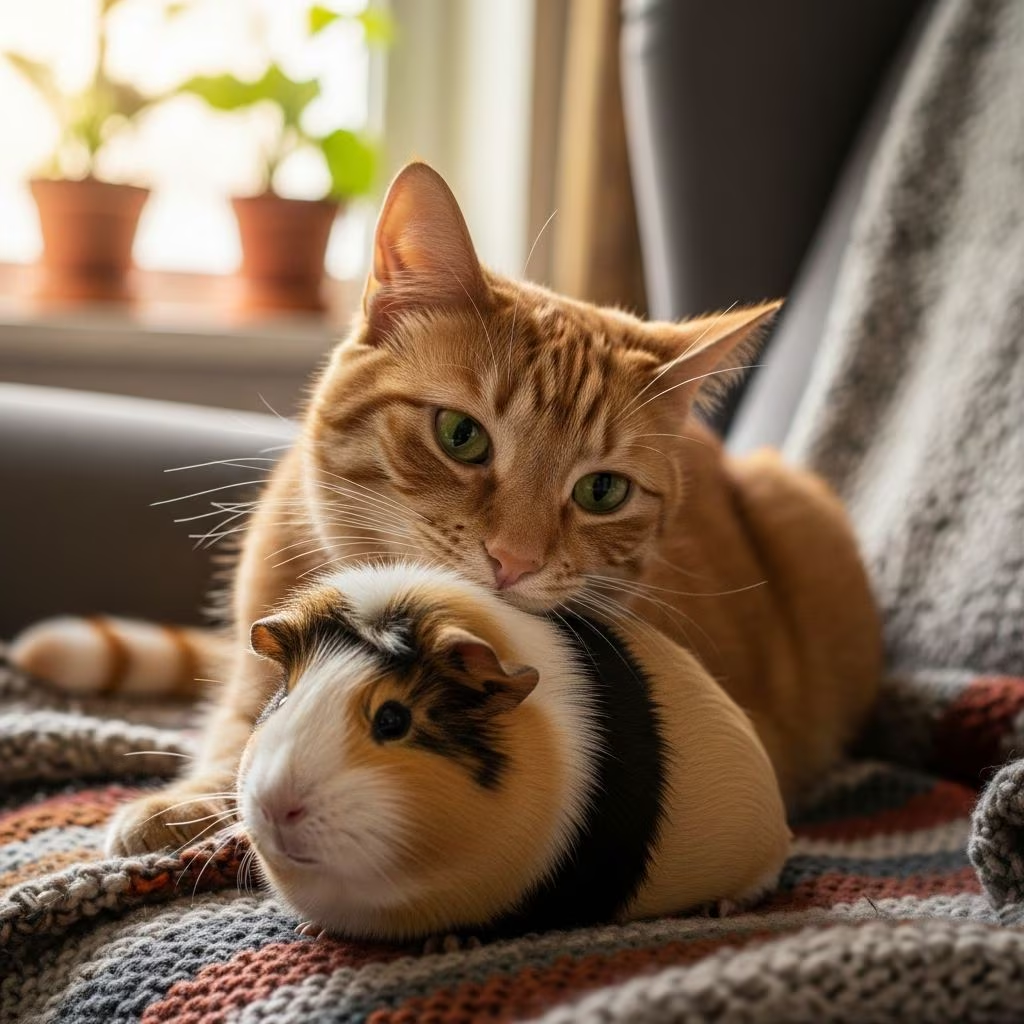
Cats and guinea pigs can coexist in the same household under strict conditions, but they rarely become true friends due to cats’ innate predatory instincts toward small rodents like guinea pigs. Success requires secure housing, constant supervision, and careful introductions, with veterinary experts emphasizing that unsupervised interactions pose serious risks to the guinea pig’s safety.
The Vet’s Answer: Yes, But With Caveats
From a veterinary standpoint, cats and guinea pigs can live together safely, but it demands rigorous management. Cats are natural predators with a strong prey drive honed over thousands of years as rodent hunters, making guinea pigs—similar in size to rats—a potential target despite domestication. While some cats ignore guinea pigs, especially if raised together from kittenhood, the default recommendation is caution: never leave them unsupervised, as even ‘friendly’ cats can switch to hunting mode instinctively.
Key factors influencing compatibility include the cat’s age, temperament, prior exposure to small animals, and the guinea pig’s enclosure security. Older, low-energy cats with minimal prey drive fare better than young, high-strung breeds like Bengals or Abyssinians. Guinea pigs, being prey animals, experience chronic stress from a cat’s mere presence, which can lead to health issues like suppressed immunity, digestive problems, or sudden death from fright.
Understanding Natural Instincts and Risks
Cats’ predatory behavior stems from evolutionary biology: they are obligate carnivores wired to stalk, pounce, and kill small, furry animals resembling rodents. Guinea pigs, at 8-14 inches long and 1.5-2.5 pounds, trigger this drive even if the cat is well-fed. Studies on feline behavior indicate over 75% of domestic cats retain hunting instincts toward small mammals, regardless of lifestyle.
- Predatory triggers: Quick movements, squeaks, or scents from the guinea pig can provoke stalking, crouching, dilated pupils, or tail flicking in cats.
- Guinea pig stress signals: Freezing, hiding, teeth chattering, or rapid breathing indicate fear, potentially causing ulcers or heart issues over time.
- Risk of injury: A single paw swipe through cage bars can cause fatal wounds; escaped guinea pigs face immediate predation.
Real-world incidents reported in pet forums highlight tragedies where ‘calm’ cats suddenly attacked, underscoring that history of hunting (e.g., birds or mice) disqualifies a cat from safe coexistence.
Factors That Determine Success
Not all cats pose equal threats. Assess these elements before attempting coexistence:
| Factor | Low Risk (Favorable) | High Risk (Avoid) |
|---|---|---|
| Cat’s Age | Older (senior, low energy) | Young kitten/adult (high prey drive) |
| Temperament | Mellow, disinterested in small animals | High-energy, playful hunters |
| Early Exposure | Raised with guinea pigs/pups from <10 weeks | No prior rodent contact |
| Housing | Secure, elevated guinea pig cage | Open hutches or floor-level pens |
Early introduction offers the best odds: kittens under 10 weeks paired with guinea pig pups learn to view each other as non-prey, bypassing full predatory activation. Breeds like Ragdolls or Persians may tolerate better than active hunters like Siamese, but individual personality trumps breed.
How to Safely Introduce Cats and Guinea Pigs
Introductions must be gradual, scent-based, and always supervised. Rushing leads to stress or attacks. Follow this veterinary-approved protocol, spanning 1-2 weeks or longer:
- Scent swapping (Days 1-3): Rub a cloth on the guinea pig’s bedding and let the cat sniff it (caged guinea pig). Reverse with cat hair on guinea pig items. Watch for calm reactions: relaxed ears, no crouching.
- Sound acclimation (Days 4-5): Place cat food near the guinea pig’s closed room door. If the cat eats calmly amid squeaks/smells, proceed.
- Visual contact (Days 6-7): Keep guinea pig caged; let cat observe from a distance while distracted by toys/treats. Limit to 5 minutes; end on positive notes.
- Handled meetings (Week 2): With help, hold each animal 3-6 feet apart. Pet calmly, inch closer over sessions. Progress to cross-petting if docile.
- Supervised proximity (Week 3+): Hold cat while guinea pig roams its secure room (open cage for escape). Never free-roam both unsupervised.
Abort at any aggression signs: stiff body, ear flattening, or lunging. Patience is key; some pairs never progress beyond separation.
Essential Housing and Safety Rules
Secure enclosures are non-negotiable. Guinea pig cages must be cat-proofed to prevent tragedy.
- Cage requirements: Elevated (above cat-jump height), solid-sided (no bar gaps >0.5 inches), secure lid with latch. Midwest or C&C cages modified with acrylic panels work best.
- Location: Quiet room with closed door; avoid living rooms where cats roam freely.
- No shared spaces: Guinea pig floor time only in cat-free zones with baby gates/doors.
- Supervision mandate: Never leave alone—not for errands, nights, or vacations. Use cameras if needed.
Daily protocols minimize risks:
- Separate feeding schedules/rooms to avoid competition.
- Clean scents promptly; no unattended bedding swaps.
- Health checks: Monitor guinea pig weight/appetite; vet visits for stress signs.
Signs of Stress or Danger to Watch For
Vigilance prevents disasters. Intervene immediately on these cues:
| Cat Signals | Guinea Pig Signals | Action |
|---|---|---|
| Dilated pupils, low crouch | Freezing, hiding constantly | Separate instantly |
| Tail thrashing, paw raising | Teeth chattering, porcupine posture | Increase distance, reassess |
| Stalking/ear twitch | Weight loss, diarrhea | Vet evaluation |
Guinea pigs hide stress well; subtle changes like reduced eating signal chronic fear, risking fatal conditions.
Alternatives If Cohabitation Fails
If risks outweigh benefits, prioritize safety:
- Separate households: Rehome one pet responsibly.
- Cat-free zones: Dedicated guinea pig room with no cat access.
- Professional boarding: During absences, use vetted facilities segregating species.
Multi-pet bliss is possible but not guaranteed. Consult your vet for tailored advice.
Frequently Asked Questions (FAQs)
Can cats and guinea pigs ever be friends?
Rarely; tolerance is more common than friendship. Early introductions improve odds, but instincts persist.
Is it safe to leave them alone together?
No—never. Even calm cats can attack suddenly.
What if my cat ignores the guinea pig?
Observe closely; ‘ignoring’ can mask building interest. Maintain barriers.
Best age for introductions?
Kittens under 10 weeks with young guinea pigs for habituation.
What cage prevents cat access?
Solid acrylic or modified C&C with tight lid, elevated 4+ feet.
References
- Do Cats and Guinea Pigs Get Along? Safety Rules Every Owner… — WoPet. 2023. https://wopet.com/cats/do-cats-and-guinea-pigs-get-along/
- Do Cats and Guinea Pigs Get Along? — Litter-Robot. 2023. https://www.litter-robot.com/blog/cats-and-guinea-pigs/
- Can A Guinea Pig And A Cat Live Together? — The Guinea Pig Forum. 2023. https://www.theguineapigforum.co.uk/threads/can-a-guinea-pig-and-a-cat-live-together.130033/



