

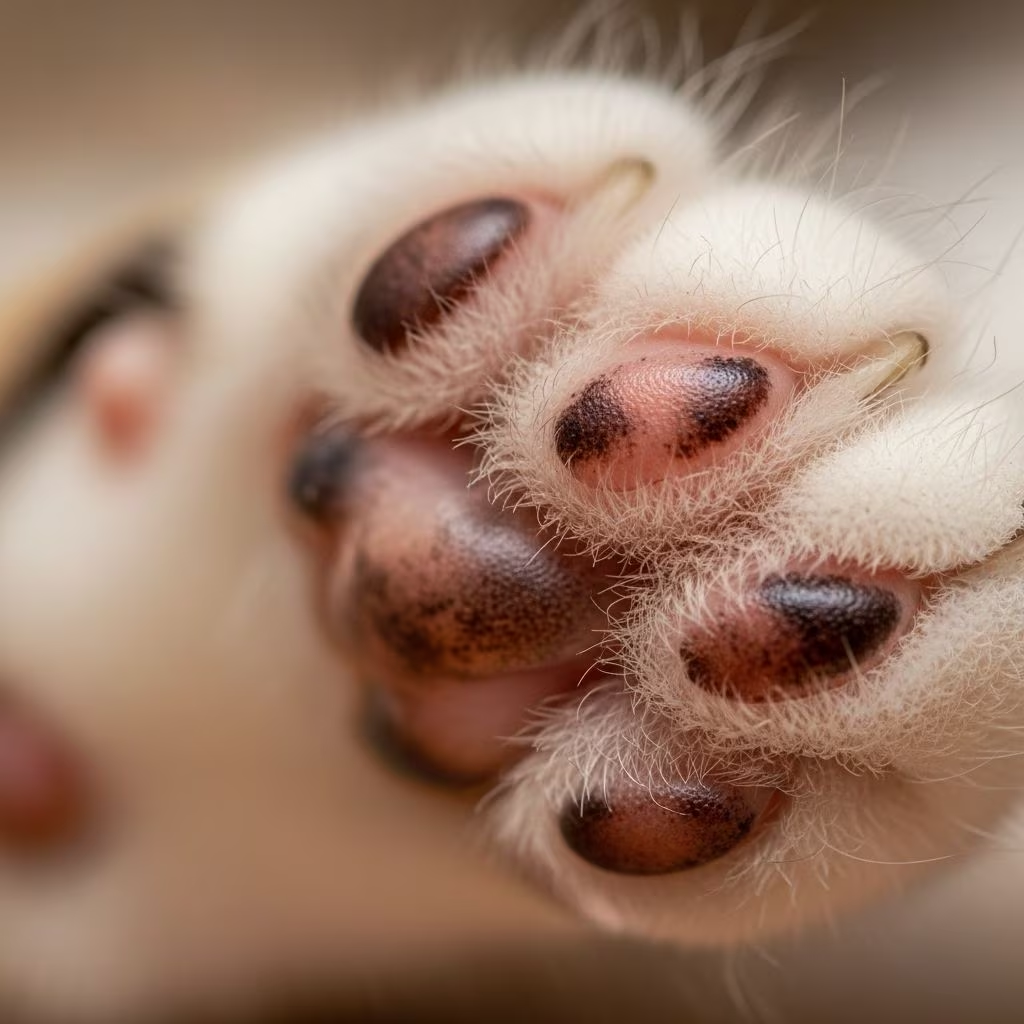
Cat paw pads, often called “toe beans,” can indeed change color due to factors like age, genetics, injuries, health conditions, and environmental influences. While many changes are harmless, sudden or persistent shifts may signal underlying issues requiring veterinary attention.
Why Do Cats Have Different Colored Paw Pads?
Cat paw pads vary in color—pink, black, brown, or multicolored—primarily due to genetics and melanin levels. Darker pads have more melanin for UV protection, while lighter ones make injuries visible. Evolutionary adaptations allow color shifts with temperature: pads pinken in heat from dilated blood vessels and pale in cold to conserve warmth.
- Genetics: Genes dictate base colors, with breeds like Siamese often having darker pads.
- Breed Variations: Certain breeds show consistent pigmentation patterns tied to fur color.
- Surface Exposure: Rough surfaces thicken and darken pads; soft ones keep them lighter.
Do Cat Paw Pads Change Color as They Age?
Yes, paw pad color often changes with age. Kittens are born with pink pads that darken as melanin develops, typically turning black or brown by maturity, especially in dark-furred breeds. Older cats may experience hyperpigmentation, causing dark patches, or slight lightening from reduced melanin. These shifts are normal but monitor for extremes.
| Age Stage | Typical Color Change | Reason |
|---|---|---|
| Newborn Kittens | Pink/Light | Lack of pigmentation |
| Juvenile (3-6 months) | Darkening to brown/black | Melanin production increases |
| Adult/Senior | Stable or hyperpigmented | Age-related melanin shifts |
7 Key Factors That Cause Cat Paw Pad Color Changes
1. Injuries
Injuries from bites, cuts, overgrown claws, or rough surfaces cause paw pads to turn darker pink, red, purple, or black due to bruising and inflammation. These heal over time but watch for infection signs like swelling or limping.
2. Hyperpigmentation
Common in seniors, hyperpigmentation darkens pads and skin via excess melanin. It’s usually benign but can indicate hormonal issues; vet check recommended if widespread.
3. Infections
Bacterial or fungal infections lead to redness, swelling, and discoloration. Prompt cleaning and antibiotics prevent spread; pale pads may signal anaemia from infection.
4. Allergies
Allergens cause itchy, inflamed pads that redden or change texture/color. Common triggers: food, pollen, or litter. Antihistamines or diet changes help under vet guidance.
5. Vitiligo
Vitiligo destroys melanocytes, turning dark pads pink, lilac, or white. It’s cosmetic, painless, and rare in cats—no treatment needed unless stressed.
6. Plasma Cell Pododermatitis (Pillow Foot)
This immune-mediated condition swells pads into a “pillowy” shape, turning them purplish/mushy. Antibiotics for months resolve it; affects multiple paws.
7. Other Health Issues
Anaemia pales pads from low red blood cells; liver/kidney disease or circulation issues alter color. Stress or cold causes temporary paling.
When to Worry About Paw Pad Color Changes
Normal changes (e.g., aging) are gradual and bilateral. Worry if sudden, one-sided, with symptoms like limping, swelling, sores, lethargy, or appetite loss—could indicate infection, pododermatitis, or systemic disease. Pale pads persisting >few days warrant bloodwork for anaemia.
- Consult vet if: Color shift + lameness, bleeding, or odor.
- Benign signs: Gradual aging darkening without symptoms.
Temperature and Environmental Effects
Heat dilates vessels, pinkening grey pads for cooling; cold constricts them, paling pads for insulation. Sun exposure darkens via melanin; chemicals or rough terrain abrade and discolor. Indoor cats show less variation.
Frequently Asked Questions (FAQs)
Q: Do cat paw pads change color with age?
A: Yes, kittens start pink and darken with maturity due to melanin; seniors may hyperpigment.
Q: Can injuries change paw pad color?
A: Yes, bruises cause red/purple/black discoloration from trauma like cuts or bites.
Q: What is vitiligo in cats?
A: Loss of pigment turning dark pads light; cosmetic, no treatment needed.
Q: Is plasma cell pododermatitis serious?
A: Yes, causes swollen, purple pads; requires long-term antibiotics.
Q: Why are my cat’s paw pads pale?
A: Possible anaemia, cold, or circulation issues; vet if persistent with other symptoms.
Q: Can allergies affect paw pads?
A: Yes, causing redness and changes; identify triggers via vet.
Q: Do all cats’ paw pads change color?
A: Not drastically; stable unless health issues arise. Black rarely turns pink permanently.
References
- Why are cat paw pads different colours? — Purely Pets Insurance. 2023. https://www.purelypetsinsurance.co.uk/blogs/why-are-cat-paw-pads-different-colours/
- Do Cat Paw Pads Change Color? Vet Approved Facts & FAQ — Catster. 2024-01-14. https://www.catster.com/lifestyle/do-cat-paw-pads-change-color/
- Do Cat Paw Pads Change Color? Vet-Approved Feline Facts — Hepper. 2024. https://articles.hepper.com/do-cat-paw-pads-change-color/
- My cat’s toe beans are looking really pale today — Dial A Vet. 2024. https://www.dialavet.com/vet-answers/cat-toe-beans-pale-202851
- Pillow Foot (Pododermatitis) in Cats — PetMD. 2025-06-12. https://www.petmd.com/cat/conditions/skin/pillow-foot-pododermatitis-cats



