

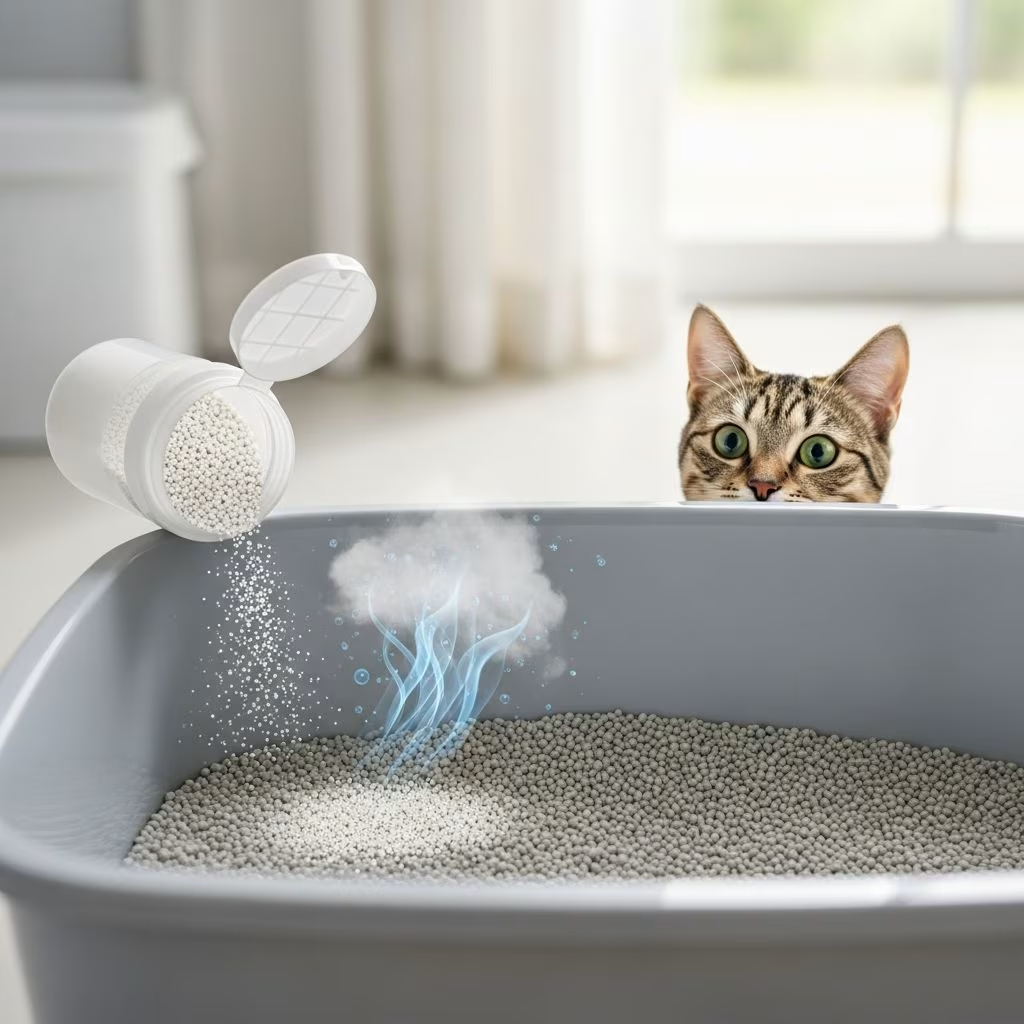
Cat litter deodorizers promise to tackle one of the most persistent challenges for pet owners: unpleasant odors from the litter box. These products aim to neutralize smells from urine and feces, creating a more pleasant home environment without constant deep cleaning. But do they deliver on their claims? This article dives into their mechanisms, effectiveness, safety considerations, and practical tips to help you decide if they’re right for your cat.
Understanding Litter Box Odors and Deodorizer Science
Litter box odors primarily arise from ammonia in urine and volatile compounds in feces. These scents intensify with moisture and bacterial growth if waste isn’t promptly removed. Deodorizers work through absorption, neutralization, or masking to combat these issues.
Absorption-based deodorizers, like those containing baking soda, draw in odor molecules and moisture, preventing their release into the air. Neutralizers alter the chemical structure of smell-causing agents, while masking agents overlay strong fragrances. Real-world tests show varied results: some products provide immediate relief, others excel over time.
Key Ingredients in Effective Deodorizers
Modern deodorizers rely on a mix of natural and synthetic components. Here’s a breakdown of common ones:
- Baking Soda: A natural mineral that neutralizes acids and bases in waste odors. It’s inexpensive, safe, and effective for both urine and fecal smells when sprinkled lightly.
- Activated Charcoal: Porous material that traps toxins and odors within its structure. It shines in long-term control, especially for ammonia buildup.
- Essential Oils: Derived from plants like cedarwood, they block specific waste volatiles. However, select cat-safe options to avoid toxicity risks.
- Enzymes: Biological agents that break down proteins in waste, reducing odor at the source. They’re potent but may require specific conditions to activate fully.
Products blending these often perform best. For instance, tests revealed baking soda reduces fecal odors noticeably, while charcoal handles urine better over hours.
Natural vs. Chemical Deodorizers: Pros and Cons
Choosing between natural and chemical options depends on your priorities for safety, efficacy, and eco-friendliness.
| Type | Pros | Cons | Best For |
|---|---|---|---|
| Natural (e.g., baking soda, charcoal) | Safe for cats, non-toxic, biodegradable, mild scents | May need frequent reapplication, less potent on heavy odors | Health-conscious owners, multi-cat homes |
| Chemical (e.g., synthetic fragrances, antimicrobials) | Strong immediate action, long-lasting | Potential respiratory irritation, ingestion risks, environmental harm | Quick fixes, low-maintenance routines |
Natural options like pine pellets can cut odors by up to 95% with proper use, per maintenance studies. Always verify labels for cat-specific formulations.
Testing Deodorizers: What Real Experiments Reveal
Hands-on evaluations mimic home conditions by adding controlled waste to litter and monitoring smell reduction. Key findings from comparative tests:
- Powdered formulas with intense scents (bubble gum-pine-mint blends) block odors instantly via moisture-drawing and masking.
- Charcoal-based products rank high for sustained urine control but lag on feces initially.
- Baking soda offers decent all-around performance, especially when layered under litter.
- Specialty blends targeting cat waste chemicals (e.g., cedar oil) provide balanced, ongoing neutralization.
No single product eliminates odors perfectly; combining with daily scooping amplifies results. Fecal odors prove toughest, often requiring enzymatic boosts.
Safety First: Protecting Your Cat from Deodorizer Risks
Cats have sensitive noses and grooming habits, making litter additives a potential hazard. Safe products avoid phenols, tea tree oil, and harsh synthetics that can cause respiratory issues or poisoning if ingested via paws.
Signs of trouble include sneezing, watery eyes, or litter avoidance. Start with small amounts in one box to test reactions. Veterinary guidelines emphasize plain, unscented litters as the base, with deodorizers as supplements.
DIY Deodorizer Recipes for Budget-Savvy Owners
Whip up custom solutions using household staples:
- Basic Baking Soda Mix: Combine 1 cup baking soda with 10 drops lavender essential oil (cat-safe). Sprinkle 1-2 tbsp per litter box weekly.
- Charcoal Boost: Crush pet-safe activated charcoal tablets, mix with cornstarch (1:1), and dust lightly. Reapply after scooping.
- Herbal Blend: Dried rosemary and cedar shavings in a breathable pouch near the box for passive absorption.
These cost pennies and rival commercial efficacy when used consistently.
Maximizing Deodorizer Performance with Litter Box Best Practices
Deodorizers aren’t magic; they thrive with solid maintenance:
- Scoop waste daily—twice in multi-cat homes.
- Use deeper litter layers (3-4 inches) for better clumping and coverage.
- Opt for litters like pine pellets or silica gels that inherently control moisture.
- Place boxes in ventilated areas, away from food.
- Deep clean weekly with mild vinegar solutions to reset bacteria.
These habits alone can slash odors by 80-90%, making deodorizers more effective.
Top Commercial Deodorizers Worth Trying
Based on tests and user feedback:
- Odor Absorbing Powders: Strong initial masking with moisture control; second-best in blind tests.
- Enzyme Sprays: Target waste breakdown; versatile for boxes, carpets.
- Natural Oil Formulas: Cedar-based for fecal blocking; vet-partnered research-backed.
Expect 4-7 days of efficacy per application, varying by cat count and diet.
Frequently Asked Questions (FAQs)
Are litter deodorizers safe for kittens or senior cats?
Yes, if natural and unscented. Consult a vet for sensitive felines; avoid strong fragrances.
How often should I add deodorizer to the litter box?
Weekly or after each deep scoop, using 1-2 tablespoons to prevent clumping issues.
Can deodorizers replace regular litter box cleaning?
No— they’re enhancers. Daily scooping remains essential for health and max effectiveness.
What if my cat avoids the box after using deodorizer?
Switch to unscented, natural types. Cats detect scents 14x stronger than humans; irritation may cause box aversion.
Do deodorizers work on all litter types?
Most do, but clumping litters pair best. Test small amounts first.
Long-Term Strategies for Odor-Free Living
Beyond products, address root causes: high-protein diets amplify smells, so balance with vet-recommended food. Multiple boxes (one per cat plus one) distribute use. Air purifiers with pet filters capture airborne particles. Track patterns—if odors persist, rule out UTIs via vet check.
Investing time in routines yields fresher homes without over-relying on additives. Deodorizers work best as part of a holistic approach, balancing convenience, safety, and efficacy.
References
- Do Cat Litter Deodorizers Actually Work? We Tested 8 To Find Out — YouTube (UAH Pet). Accessed 2026. https://www.youtube.com/watch?v=VOMRzxP7nCY
- Cat Litter Deodorizer Ingredients: What You Need to Know — UAH Pet. Accessed 2026. https://www.uahpet.com/blogs/post/cat-litter-deodorizer-ingredients-what-you-need-to-know
- Best Cat Litter Odor Control Methods: Natural & Effective Solutions — Furrbby. Accessed 2026. https://www.furrbby.com/blogs/blogs/best-cat-litter-odor-control-methods-natural-amp-effective-solutions
- Question – Litter Deodorizer? Good or Bad? — TheCatSite. Accessed 2026. https://thecatsite.com/threads/question-litter-deodorizer-good-or-bad.270040/



