

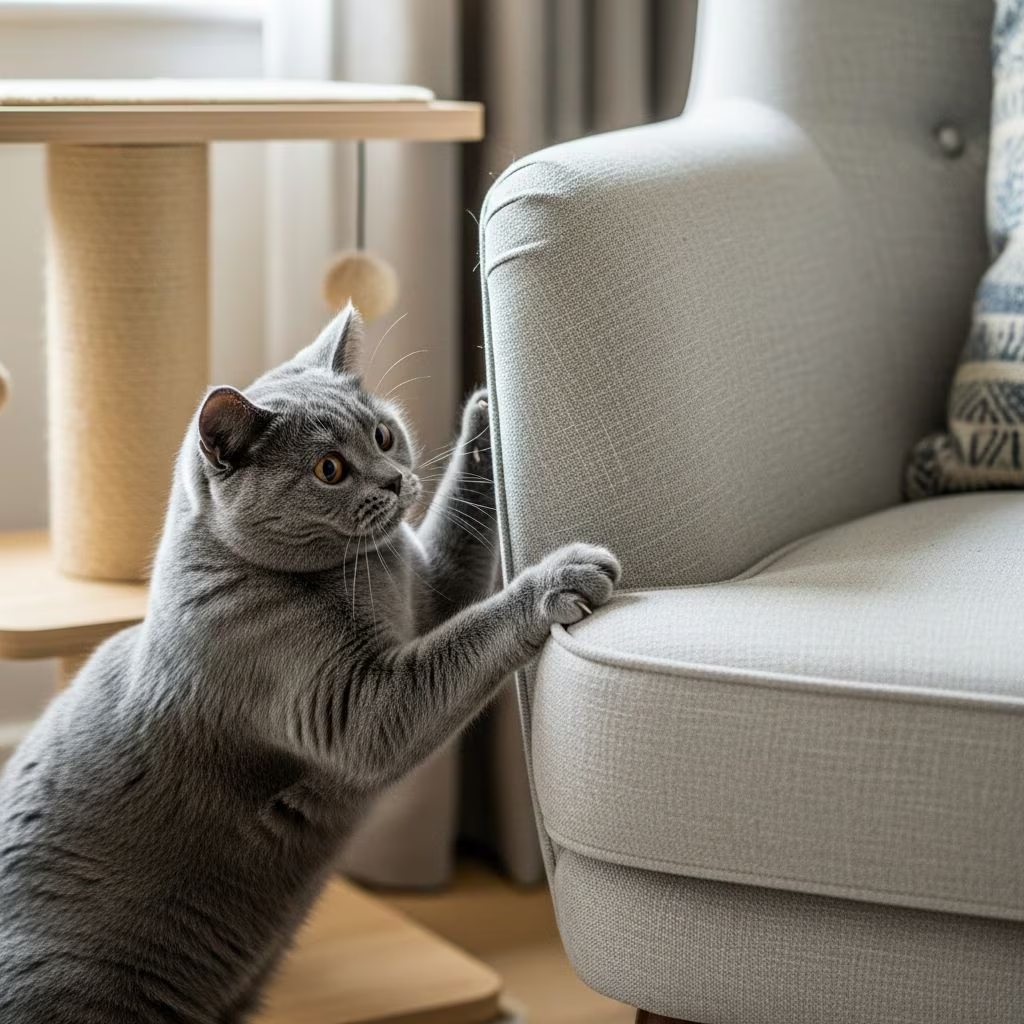
British Shorthair cats scratch furniture at the same frequency as other breeds because scratching is an essential instinctual behavior for all felines. Providing appropriate scratching alternatives and consistent training can effectively protect your home while meeting their natural needs.
Quick Answer: Do British Shorthair Cats Scratch Furniture?
All cats, including the **British Shorthair**, will scratch surfaces as part of their natural behavior. This breed does not have unique scratching tendencies but engages in it for claw maintenance, territory marking, and communication, just like any domestic cat. Without proper outlets like scratching posts, they may target furniture, though their generally calm temperament makes them less prone to excessive destruction compared to more energetic breeds.
British Shorthairs are known for their laid-back nature, spending much of their time lounging rather than engaging in high-energy play. However, they still require scratching opportunities to stay healthy. Kittens of this breed may be slightly more playful and thus more likely to experiment with furniture, but their smaller size limits damage.
Are British Shorthairs Destructive?
**British Shorthairs are not particularly destructive** compared to other cats. Their placid, easygoing personality means they prefer sleeping and relaxing over chaotic play sessions. That said, they will have bursts of energy where scratching or zooming around occurs, potentially leading to furniture wear if no alternatives are provided.
Individual temperament plays a role—some British Shorthairs may be more active, especially during kittenhood. Providing toys, playtime, and scratching posts from an early age minimizes risks. Regular interaction with owners helps channel their energy positively, preventing boredom-induced scratching.
- Laid-back lifestyle: More time sleeping means less overall activity and destruction.
- Kitten phase: Increased playfulness but limited by small size.
- Adult behavior: Calm, but instincts demand scratching outlets.
Why Do Cats Scratch? (Including British Shorthairs)
Scratching serves multiple vital purposes for cats, rooted in their evolutionary biology. British Shorthairs follow the same patterns as all felines, ensuring healthy claws and communication.
Remove Dead Layers from Their Claws
As cats scratch, they shed the outer, dead layers of their claws, preventing overgrowth that could impair walking or cause pain. You’ll often find hollow claw sheaths near scratching posts—these are simply discarded layers. Without scratching, nails curl painfully into paw pads.
It’s Instinctual
Scratching is hardwired into cats’ brains for survival. In the wild, it hones claws for hunting and climbing. Domesticated cats like British Shorthairs retain this urge, scratching unconsciously to maintain claw sharpness and health.
Marking Territory
Cats have scent glands in their paws. Scratching deposits pheromones on surfaces, visually and olfactorily marking territory. British Shorthairs may target visible spots like sofa corners or doorframes to signal their presence, especially in multi-cat homes.
Communication and Stretching
Visible scratches communicate with other cats—threats, greetings, or info sharing. It also stretches muscles after sleep, promoting circulation. For relaxed British Shorthairs, this is a daily ritual.
Stress Relief or Boredom
Though less common in stable breeds like British Shorthairs, anxiety, excitement, or boredom can trigger scratching. Neglect or lack of stimulation may lead to furniture attacks as emotional release.
| Reason for Scratching | Purpose | Relevance to British Shorthairs |
|---|---|---|
| Claw Maintenance | Shed dead layers, prevent overgrowth | Essential for all cats; posts mimic tree bark |
| Territory Marking | Scent and visual signals | Targets prominent furniture spots |
| Instinct/Stretch | Health and muscle tone | Daily need despite calm demeanor |
| Emotional | Relieve stress/boredom | Rare but possible if needs unmet |
Can You Train a British Shorthair Not to Scratch Furniture?
You cannot eliminate scratching entirely—it’s a biological necessity—but you can **redirect** British Shorthairs to appropriate surfaces. Success relies on providing appealing alternatives, positive reinforcement, and deterrents.
Provide Suitable Scratching Options
Invest in sturdy posts or pads matching your cat’s preferences. British Shorthairs benefit from multiple options in a large home.
- Size: At least twice the cat’s height (including tail) for full stretches.
- Texture: Sisal rope, cardboard, carpet, or wood—test preferences.
- Orientation: Vertical posts, horizontal mats, or slanted for variety.
- Placement: Near problem areas, high-traffic spots; multiple for multi-cat homes.
- Extras: Catnip spray, dangling toys to attract use.
Discourage Furniture Scratching
Make furniture unappealing temporarily while habits form.
- Aluminum foil, double-sided tape, or plastic covers on targeted spots.
- Gentle redirection: Pick up cat, place on post, praise/reward.
- Nail trimming: Regular sessions reduce damage (use clippers weekly).
Grooming to Reduce Scratching Urge
Regular care minimizes loose claw layers and stress.
- Brushing: Weekly with metal comb to remove dead hair.
- Bathing: Monthly with cat-safe shampoo, avoiding face.
- Nail Caps: Soft covers as non-permanent alternative.
Enrich Environment
Prevent boredom with toys, play sessions, and cat trees combining scratch/climb/rest areas. Daily 15-20 minute interaction keeps British Shorthairs content.
Best Scratching Posts for British Shorthairs
Choose durable, stable posts suited to their sturdy build. Top materials include sisal for natural feel.
| Type | Pros | Cons | Best For |
|---|---|---|---|
| Sisal Post | Durable, natural texture | May fray over time | Vertical scratchers |
| Cardboard Pad | Affordable, replaceable | Wears quickly | Horizontal preferers |
| Cat Tree | Multi-function (scratch/climb) | Expensive, bulky | Active adults |
| Wall-Mounted | Space-saving | Installation needed | Small homes |
Frequently Asked Questions (FAQs)
Do all British Shorthair cats scratch furniture?
Yes, but provision of posts greatly reduces it. Their calm nature makes them easier to train than hyper breeds.
How do I stop my British Shorthair kitten from scratching?
Start early with posts, toys, and redirection. Kittens learn habits quickly with praise.
Are scratching posts enough to save my sofa?
Often yes, combined with deterrents and routine. Consistency is key.
Do British Shorthairs need nail trimming?
Yes, every 1-2 weeks supplements scratching, reducing damage.
Why does my British Shorthair ignore the scratching post?
Try different textures/orientations, add catnip, or place near favored spots.
British Shorthairs thrive with proper outlets for their instincts. Proactive training preserves harmony in your home, ensuring a happy cat and intact furniture.
References
- Do British Shorthair Cats Scratch Furniture? Vet-Verified Facts & FAQ — Catster. 2023. https://www.catster.com/lifestyle/do-british-shorthair-cats-scratch-furniture/
- Do British Shorthair cats scratch furniture? Find out here — Untamed. 2022-07-10. https://untamed.com/blogs/cat-breeds/do-british-shorthair-cats-scratch-furniture
- How To Stop Cat From Scratching Couch Bad Kitty — YouTube (Karl the Cat). N/A. https://www.youtube.com/watch?v=K8RPIgeYYPI
- Cat scratching behavior — Riverwood Petfood. N/A. https://www.riverwoodpetfood.com/en/blogs/cat-scratching-behavior
- How to Stop Cats Scratching Furniture — Petbuds. N/A. https://petbuds.co.uk/blogs/news/how-to-stop-your-cat-from-scratching-furniture



