

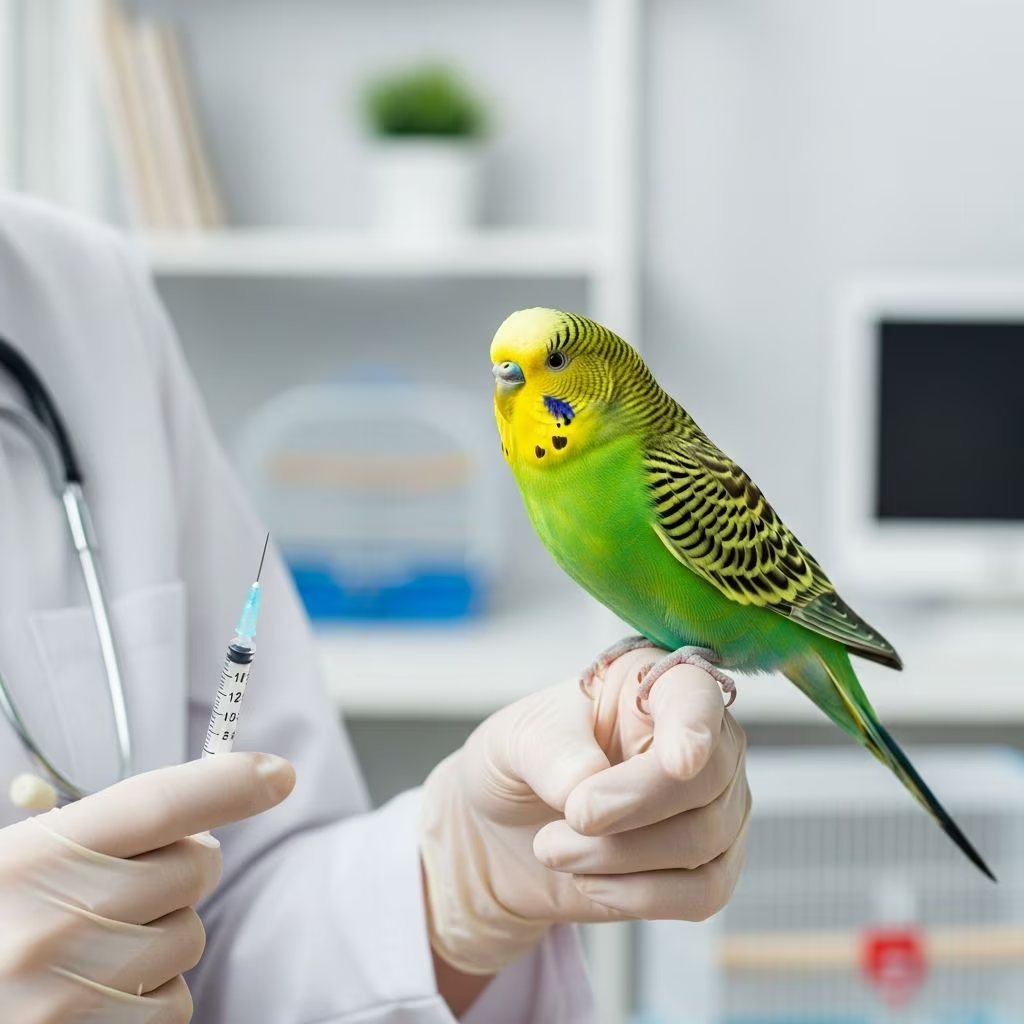
Do Birds Need Vaccines? A Comprehensive Guide for Pet Bird Owners
When it comes to protecting our feathered companions, vaccination is an important consideration for many pet owners. However, unlike the extensive vaccination protocols available for dogs and cats, the vaccine landscape for pet birds is quite different. In fact, parrots have access to only one primary vaccine option: the polyomavirus vaccine. The decision of whether your bird actually needs this vaccine, though, is more nuanced than a simple yes or no answer.
Understanding the role of vaccinations in avian health requires examining which birds are most at risk, the history of bird diseases in the United States, and expert guidance from avian veterinarians. This guide will help you make informed decisions about your pet bird’s health and wellness.
The Limited Vaccine Options for Pet Birds
One of the most significant differences between avian healthcare and companion animal care is the number of available vaccines. While dogs and cats benefit from multiple vaccines protecting against various diseases, the situation for birds is considerably more limited. Historically, vaccines were more commonly used for various avian diseases, but several factors have changed this landscape over time.
The primary vaccine available today for pet birds is the polyomavirus vaccine. Polyomavirus is a viral infection that was once a significant threat to captive bird populations, particularly affecting hand-reared chicks and young birds. However, the prevalence of this disease has decreased substantially, which has influenced vaccination recommendations across the industry.
Understanding Polyomavirus and Its Impact
Polyomavirus, also known as avian polyomavirus (APV), was historically one of the most devastating diseases affecting captive birds. Young birds, particularly budgies and hand-reared chicks, were especially vulnerable to severe infection and often fatal outcomes. The disease could cause rapid deterioration, with death sometimes occurring within 24 hours of symptom appearance.
Signs of polyomavirus infection in susceptible birds include delayed crop emptying, weakness, generalized pallor, and bruising under the skin. However, it is important to note that infection and disease manifestation are not always synonymous. Many adult birds can become infected with polyomavirus but never develop clinical signs of illness. Instead, they develop a robust immune response through sensitized B and T lymphocytes, antibodies, and other immunological defenses that prevent disease while potentially eliminating the viral infection.
Which Birds Are Most Susceptible to Polyomavirus?
Not all birds are equally vulnerable to polyomavirus disease. According to avian veterinary experts, certain species and age groups face greater risk than others. Younger birds are generally more susceptible to developing severe disease when infected. Additionally, specific species demonstrate heightened vulnerability to polyomavirus complications.
Caiques, a South American parrot species, are particularly notable for their susceptibility to polyomavirus disease in both juvenile and adult forms. Macaws also show higher susceptibility compared to many other parrot species. In contrast, some larger parrot species rarely develop clinical signs of disease even when infected, though they may still shed the virus and potentially transmit it to naive birds.
Budgies present a unique case historically, as polyomavirus affected nestlings between 10 and 25 days of age, often causing acute death in large numbers. However, chicks kept in nest boxes and fed by parents rarely developed disease due to the transfer of secretory antibodies from parents.
Do Pet Birds Actually Need Vaccination?
The answer to whether your pet bird needs the polyomavirus vaccine depends on several important factors. Laurie Hess, DVM, Diplomate ABVP (Avian Practice) and owner and medical director of Veterinary Center for Birds & Exotics, emphasizes that birds only need the polyomavirus vaccine in specific circumstances. She notes that vaccine necessity typically applies to birds that are breeders or those that will be around many other birds in environments such as pet stores, where exposure to unknown health statuses is likely.
For birds living in typical household environments with limited exposure to other birds, vaccination may not be necessary. Hess explains that if your bird is “sitting in your house,” the risk of polyomavirus exposure is minimal, making vaccination unnecessary. This represents a significant shift from earlier vaccination philosophies and reflects current understanding of disease transmission in controlled environments.
Key Considerations Before Vaccination
Before pursuing vaccination for your bird, several important steps and considerations should be evaluated. Larry Nemetz, DVM, owner of The BIRD Clinic in Orange, California, strongly recommends testing before vaccination. His reasoning is straightforward: if your bird is already infected with polyomavirus, the vaccine will not be effective, and vaccinating an infected bird could be counterproductive.
This recommendation highlights a critical principle in avian medicine: birds, like people, can carry diseases without showing symptoms. Testing allows veterinarians to determine your bird’s polyomavirus status before making vaccination decisions. This approach is far more prudent than assuming vaccination is necessary without first confirming your bird’s current health status.
Vaccination Recommendations by Lifestyle and Exposure
The primary factor determining whether vaccination is advisable involves your bird’s anticipated exposure to other birds. Here are key scenarios where vaccination may be considered:
Boarding and Facility Exposure
If you plan to board your bird or place it in facilities where it will interact with multiple birds of unknown health status, vaccination after appropriate testing becomes a reasonable consideration. These environments present elevated risk of exposure to polyomavirus and other infectious agents.
Breeding Programs
Birds that will be used for breeding purposes, particularly if chicks will be hand-reared or if multiple breeding pairs are housed in close proximity, face higher disease transmission risks. In these situations, vaccination protocols may be recommended as part of comprehensive flock health management.
Pet Store Environments
Birds destined for pet store environments where they will contact numerous other birds with unknown health backgrounds represent another category where vaccination might be considered, though this should always follow testing.
Household Pets with Limited Exposure
Most single companion birds in household settings with no exposure to other birds have minimal polyomavirus risk and typically do not require vaccination.
The History of Bird Vaccination in the United States
Understanding the history of bird vaccination helps explain why current recommendations differ so dramatically from past practices. When exotic birds were legally imported into the United States from foreign countries, vaccination protocols were more extensive and considered essential for disease prevention. However, this landscape changed dramatically with significant regulatory and epidemiological shifts.
The Wild Bird Importation Act of 1992 marked a turning point in avian health management by restricting the importation of wild-caught birds into the United States. This legislation, combined with disease eradication efforts, eliminated many of the disease pressures that had previously necessitated widespread vaccination protocols. Without continuous introduction of infected birds from international sources, many diseases became far less prevalent in domestic bird populations.
It is important to note that while importation restrictions reduced disease prevalence, they did not completely eliminate disease risk. Some diseases occasionally resurface despite reduced importation. For example, canary pox, which once was addressed through vaccination programs, is no longer widely vaccinated against because the vaccine is no longer commercially produced. Yet every summer in California, veterinarians still observe cases of canary pox in canaries, demonstrating that disease elimination is rarely absolute.
Potential Vaccine Side Effects and Considerations
Like all medical interventions, the polyomavirus vaccine carries potential risks that should be discussed with your avian veterinarian. Some birds develop persistent swellings at the injection site, typically occurring in the subcutaneous tissue over the caudal pectoral muscles. These localized reactions usually regress completely over several weeks to a few months, though in some cases they can persist longer.
More concerning, injection sites have occasionally been associated with dermal tumor development in some vaccinated birds. Additionally, vaccination efficacy is not guaranteed. In one documented case, a sun conure that survived a polyomavirus outbreak had detectable antibody titers prior to vaccination that did not change throughout vaccination protocols, and naive parrots produced no antibody titers, leaving questions about whether the vaccine could protect if exposure occurred.
These considerations have led many avian veterinarians to question the routine use of polyomavirus vaccination, particularly for low-risk birds in household environments.
The Importance of Annual Veterinary Examinations
While vaccination decisions remain individual, one recommendation that virtually all avian veterinarians agree upon is the necessity of annual veterinary examinations for all companion birds. Just as dogs and cats require yearly check-ups, birds need regular professional health assessments.
Annual examinations are particularly important because companion birds can harbor low-grade infections that go unnoticed by owners. If a bird’s immune system becomes depressed for any reason, these subclinical infections can rapidly develop into serious illness. Regular veterinary monitoring allows early detection and treatment of emerging health issues before they become critical.
During these annual visits, your avian veterinarian can assess your individual bird’s risk factors, recommend appropriate testing, and provide personalized guidance on vaccination decisions. This professional relationship is invaluable for maintaining optimal avian health.
Additional Vaccine Options and Future Considerations
While polyomavirus vaccine remains the primary option, research indicates that other infectious diseases affect companion birds. However, effective vaccines for many of these conditions have not yet been developed. Diseases such as psittacine beak and feather disease (PBFD) and other viral infections continue to pose health threats without adequate vaccine protection.
Vaccination protocols for birds should ideally be tailored to species-specific susceptibilities and the epidemiological landscape of the region where birds are kept. This individualized approach, developed in consultation with avian veterinarians, ensures that each bird receives appropriate preventive care based on its unique risk profile.
Making the Right Decision for Your Bird
The decision regarding polyomavirus vaccination should be made collaboratively with your avian veterinarian, taking into account your bird’s species, age, lifestyle, and anticipated exposure to other birds. The modern consensus among many avian veterinarians is that routine vaccination of low-risk household birds is unnecessary, but for birds with significant exposure potential, testing followed by vaccination may be warranted.
Remember that vaccination is just one component of comprehensive avian healthcare. Equally or more important are biosecurity practices, annual veterinary examinations, proper nutrition, appropriate housing, mental stimulation, and attentive daily observation of your bird’s health and behavior.
Frequently Asked Questions About Bird Vaccines
Q: How often should vaccinated birds receive booster vaccinations?
A: Some avian veterinarians recommend yearly polyomavirus vaccines for vaccinated birds, though this remains a subject of debate within the profession. Discuss booster schedules with your specific veterinarian based on your bird’s risk factors.
Q: Can I vaccinate my bird myself at home?
A: No. Polyomavirus vaccination must be administered by a licensed veterinarian. Improper administration can cause injury or reduce vaccine effectiveness.
Q: At what age can birds receive the polyomavirus vaccine?
A: Some avian veterinarians recommend starting vaccination at 21 days of age, with a second vaccination two weeks later, followed by annual boosters. However, this schedule should be discussed with your veterinarian.
Q: What should I do if my bird develops a swelling at the vaccination site?
A: Most vaccine-site swellings resolve on their own within several weeks to months. However, if swelling persists, increases in size, or shows signs of infection, contact your avian veterinarian for evaluation.
Q: How can I protect my bird from polyomavirus without vaccination?
A: Practice good biosecurity by limiting exposure to birds of unknown health status, quarantining any new birds, maintaining clean living environments, and ensuring proper nutrition and stress reduction to support immune health.
Q: Is polyomavirus still common in pet bird populations?
A: Polyomavirus is less common than it was historically, particularly since the Wild Bird Importation Act of 1992 reduced the introduction of infected birds. However, it still occurs, especially among breeders and in facilities with multiple birds.
References
- Do Birds Need Vaccines? — Chewy Education. 2025. https://www.chewy.com/education/bird/health-and-wellness/do-birds-need-vaccines
- What Vaccines Do Exotic Pets Need Locally? — Greystanes Veterinary Hospital. 2025. https://www.greystanesvet.com.au/post/what-vaccines-do-exotic-pets-need-locally
- Vaccinations For Parrots: Should Parrots Have Injections? — Northern Parrots. 2025. https://www.northernparrots.com/blog/vaccinations-for-parrots-should-parrots-have-injections/
- Vaccines and Pet Birds — Lafeber Company. 2025. https://lafeber.com/pet-birds/vaccines-pet-birds/
- Vaccinating My Flock — Georgia Poultry Laboratory Network. 2021. https://www.gapoultrylab.org/wp-content/uploads/2021/01/Vaccinating-My-Flock-1.pdf



