

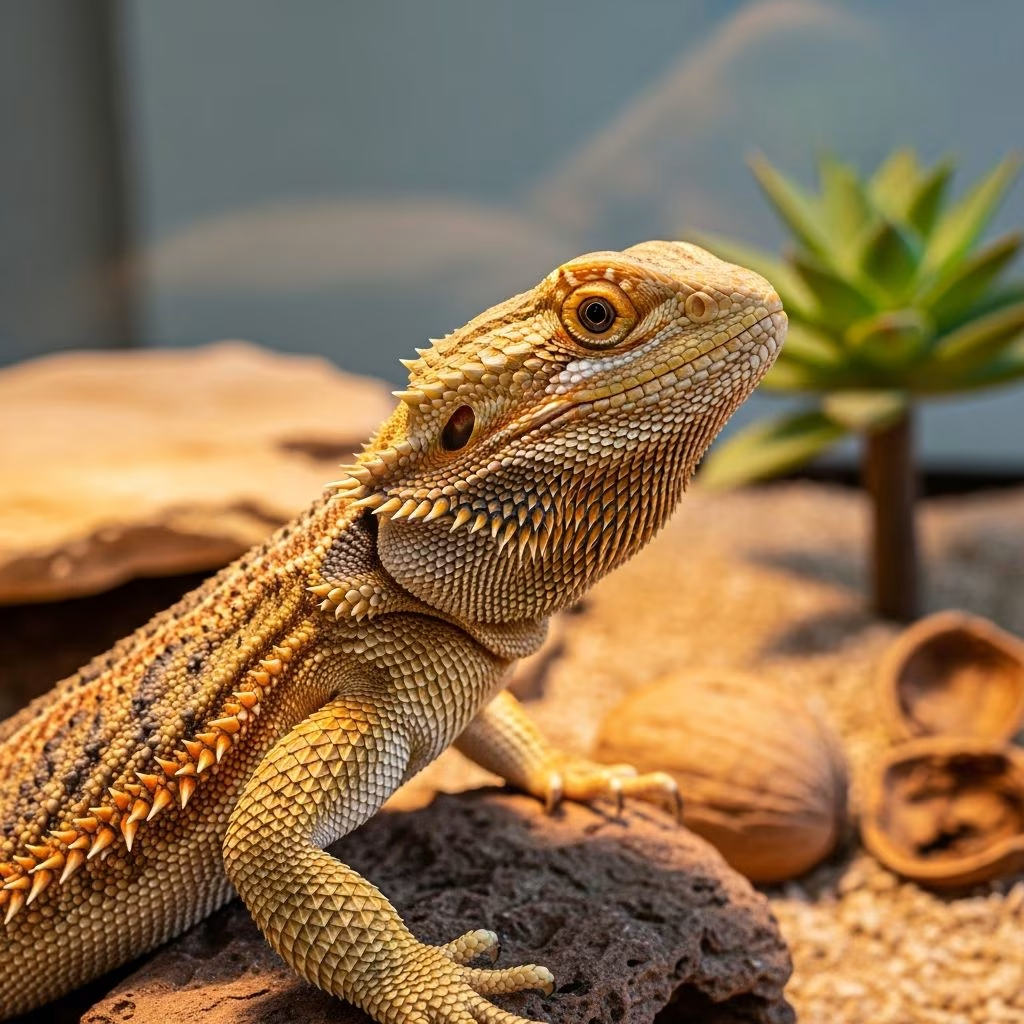
Do Bearded Dragons Make Good Pets?
Bearded dragons have become increasingly popular as exotic pets, and for good reason. These captivating reptiles offer a unique combination of personality, manageable size, and interactive behavior that appeals to both beginner and experienced reptile enthusiasts. However, determining whether a bearded dragon is the right pet for your household requires understanding their specific needs, temperament, and the long-term commitment involved in their care. This comprehensive guide will help you make an informed decision about whether these fascinating creatures are suitable for your lifestyle.
Understanding Bearded Dragon Temperament
One of the primary reasons bearded dragons make excellent pets is their relatively docile and interactive temperament. Unlike many reptiles that are content to remain hidden, bearded dragons are naturally curious and often seek interaction with their owners. They can recognize familiar faces and may even appear to enjoy being handled when properly socialized from a young age.
Bearded dragons display fascinating behaviors that make them engaging companions. They often bob their heads to communicate, puff out their beards when defensive or establishing dominance, and change color intensity based on their mood and temperature regulation. These behavioral displays make them entertaining to observe and create a sense of connection between owner and pet.
However, it’s important to understand that each bearded dragon has a unique personality. Some individuals are more outgoing and social, while others may be more reserved. Proper handling and socialization from an early age contribute significantly to developing a friendly and tolerant adult bearded dragon.
Space and Housing Requirements
Before committing to a bearded dragon, you must ensure you have adequate space and the proper enclosure setup. Bearded dragons require a minimum 40-gallon tank, though larger enclosures are always preferable and provide more opportunities for natural behaviors and territorial establishment. For adult bearded dragons, a 75-gallon or larger breeder tank is often recommended to allow for proper temperature gradients and enrichment.
The enclosure must accommodate several essential zones:
– Basking area with appropriate temperatures between 95-100°F (35-38°C)- Cool side maintained at 75-85°F (24-29°C)- Warm side at 85-90°F (29-35°C)- UVB lighting setup- Hiding spots and climbing structures- Food and water dishes
Space considerations extend beyond just the tank itself. You’ll need dedicated space for storing food, supplements, cleaning supplies, and emergency equipment. Consider whether you have a suitable location that maintains relatively stable ambient temperatures and is away from direct sunlight, drafts, and household activity that might cause unnecessary stress.
Lighting and Temperature Control
Proper lighting and temperature maintenance are non-negotiable requirements for bearded dragon health and should factor into your decision-making process. Bearded dragons need approximately 10-12 hours of UVB light daily. This isn’t optional—UVB light is essential for calcium absorption and vitamin D synthesis, preventing serious metabolic diseases.
The best UVB options include T5HO linear bulbs at 10.0 strength or equivalent full-spectrum lighting. Coil bulbs are not recommended as they don’t provide sufficient UVB coverage. These specialized bulbs must be replaced every 6-12 months as their potency diminishes over time.
Temperature gradient maintenance requires either a heat lamp or under-tank heating combined with thermostats to prevent overheating. Monitoring equipment including thermometers and hygrometers is essential to ensure proper conditions are maintained consistently. If your home experiences significant temperature fluctuations or you cannot reliably maintain these conditions, a bearded dragon may not be the right pet for you.
Dietary Needs and Feeding Schedules
Bearded dragons have specific dietary requirements that vary based on age and health status. Understanding and meeting these nutritional needs is crucial for preventing health problems and ensuring longevity.
Juvenile Bearded Dragons: Young bearded dragons require a diet rich in insects for protein and growth support. They should be fed insects 2-3 times daily, with as many appropriately-sized insects as they will consume in 5-10 minutes. Young bearded dragons can eat 20-60 small crickets daily depending on size and appetite. Fresh greens should also be offered daily, chopped into appropriately small pieces.
Adult Bearded Dragons: As bearded dragons mature, their diet shifts to include more vegetables and fewer insects. Adults should be fed once daily with a diet composition of approximately 80% greens and 20% insects. This transition occurs gradually as the dragon matures, typically by 18 months of age.
Supplement Requirements: All insects must be dusted with calcium and vitamin D3 supplements. Juveniles require supplementation 4-5 times weekly, while adults need it 2-3 times weekly. Additionally, multivitamin supplements should be provided 2-3 times weekly. Insects should be gut-loaded with nutritious foods before feeding to ensure maximum nutritional value.
Primary feeder insects include cricket and dubia roaches, with occasional treats of mealworms, superworms, and waxworms provided sparingly. Wild-caught insects should never be offered as they may carry parasites or pesticides that can seriously harm your dragon.
Water and Hydration
Proper hydration is essential for bearded dragon health and supports digestion, shedding, and overall well-being. A large, shallow water dish should always be available in the enclosure, filled with fresh water that’s replaced daily. Some bearded dragons will drink from dishes, though many rely more on soaking and moisture from food sources.
Regular soaking sessions 3 or more times weekly help maintain hydration and support healthy shedding cycles. Soaks should use warm water—approximately body temperature, similar to bath water for a small child—filled only to chest depth or halfway up the front arms. Soak sessions typically last 15-20 minutes. Never leave your bearded dragon unattended during soaking to prevent drowning accidents.
If your bearded dragon shows signs of dehydration, daily soaking is recommended to help restore proper hydration quickly.
Cleaning and Maintenance Commitments
Keeping a bearded dragon requires consistent cleaning and maintenance efforts. Daily spot-cleaning involves removing soiled substrate, discarded food, and waste materials. Food and water bowls must be washed daily to prevent bacterial accumulation.
A thorough deep-clean of the entire enclosure, including all decorations and accessories, must occur at least once weekly or more frequently in multi-dragon setups. The cleaning process involves removing the bearded dragon to a secure temporary environment, removing all substrate and furnishings, scrubbing surfaces with reptile habitat cleaner or 3% bleach solution, allowing the bleach to sit for at least 10 minutes for proper disinfection, scrubbing with a rag to remove debris, and rinsing thoroughly until no bleach smell remains.
Hand hygiene is critical—always wash hands thoroughly before and after handling your bearded dragon or its habitat contents, as reptiles can carry Salmonella and other zoonotic diseases.
Health Considerations and Veterinary Care
Prospective bearded dragon owners must be prepared for veterinary expenses and care commitments. Bearded dragons should receive annual veterinary check-ups with an exotic reptile veterinarian. During these visits, it’s helpful to bring photos of the enclosure, heating, lighting setup, and a fresh fecal sample to assist the veterinarian in assessing overall health.
Common health issues requiring veterinary attention include metabolic bone disease (from insufficient UVB or calcium), respiratory infections, parasites, impaction, and nutritional deficiencies. Signs requiring immediate veterinary consultation include abnormal behavior, loss of appetite, difficulty moving, discharge from eyes or nose, difficulty breathing, or lumps and bumps on the body.
Finding a qualified exotic reptile veterinarian may require travel in some areas. Consider whether you have access to emergency exotic veterinary care within a reasonable distance before acquiring a bearded dragon.
Lifespan and Long-Term Commitment
Bearded dragons typically live 10-15 years in captivity with proper care, making them a significant long-term commitment. This lifespan requirement means you must be prepared for a decade or more of consistent feeding, cleaning, heating, lighting, and veterinary care. Life circumstances such as moving, job changes, or family situations can impact your ability to provide proper care, so realistic consideration of long-term feasibility is essential.
Cost Considerations
Initial setup costs for a bearded dragon enclosure typically range from $500-$1,500 or more, depending on tank size, heating and lighting equipment, and decorations. Beyond initial setup, ongoing monthly costs include feeder insects, vegetables, supplements, substrate, utilities for heating and lighting, and occasional equipment replacement.
Annual veterinary care adds several hundred dollars to ownership costs, and emergency veterinary visits can be expensive. Prospective owners should carefully consider whether they can reliably afford these expenses throughout the animal’s lifespan.
Suitability for Different Households
Families with Children: Bearded dragons can be suitable for families with older children (8+) who can handle them gently and understand the importance of proper care. Younger children require close supervision during handling to prevent accidental drops or excessive squeezing. Always support the entire body from underneath, particularly the front and rear limbs, and avoid handling that places pressure on the body.
First-Time Reptile Owners: Bearded dragons are often recommended for beginner reptile keepers due to their manageable size, relatively forgiving nature, and interactive personality. However, first-time owners must be committed to thorough research and proper setup before acquisition.
Apartment and Small Home Living: The significant space requirements and consistent heating and lighting needs make bearded dragons challenging for small living spaces or situations with limited climate control. They are not suitable for nomadic lifestyles or frequent relocations.
Frequently Asked Questions
Q: How long do bearded dragons live?
A: Bearded dragons typically live 10-15 years in captivity with proper care, making them a long-term commitment requiring consistent attention and resources.
Q: Can bearded dragons be housed together?
A: Adult bearded dragons are solitary and territorial. Housing multiple bearded dragons together typically results in stress, fighting, and injury. Only hatchlings or young juveniles might cohabitate temporarily, though separation as they mature is generally recommended.
Q: What is the minimum tank size for a bearded dragon?
A: The minimum tank size is 40 gallons, though larger enclosures of 75 gallons or more are preferable for adult bearded dragons to accommodate proper temperature gradients and enrichment.
Q: How often should bearded dragons be handled?
A: Socialized bearded dragons can be handled several times weekly for 10-15 minutes at a time. Handling frequency should decrease if the dragon shows signs of stress or excessive beard puffing.
Q: Are bearded dragons good with other pets?
A: Bearded dragons should be housed separately from other reptiles and most household pets. Interactions with cats, dogs, or other predatory animals should be carefully supervised to prevent stress or injury.
Q: What do bearded dragons eat?
A: Juveniles eat primarily insects with some greens, transitioning to a diet of 80% vegetables and 20% insects as adults. Gut-loaded insects dusted with calcium and vitamin D3 supplements are essential dietary components.
Q: How much does it cost to own a bearded dragon?
A: Initial setup costs range from $500-$1,500+. Annual ongoing costs including food, supplements, utilities, and veterinary care typically range from $300-$800+ depending on care quality and any health issues.
Making Your Decision
Bearded dragons can make excellent pets for individuals and families willing to meet their substantial care requirements. Their interactive personality, manageable size, and fascinating behaviors create rewarding companionship. However, they are not casual pets requiring minimal attention. Success with bearded dragons requires commitment to proper housing, specialized lighting, consistent feeding schedules, regular cleaning, veterinary care, and a willingness to accommodate their needs for 10-15 years.
Carefully evaluate your living situation, available time, financial resources, and long-term plans before acquiring a bearded dragon. If you can honestly commit to meeting all these requirements, a bearded dragon may be a wonderful addition to your home and a source of years of enjoyment and educational value.
References
- Bearded Dragon Care Guide — PetSmart. Accessed November 2025. https://www.petsmart.com/learning-center/reptile-care/bearded-dragon-care-guide/A0015.html
- Bearded Dragon Care Sheet — PetMD. Accessed November 2025. https://www.petmd.com/reptile/bearded-dragon-care-sheet
- Bearded Dragon Care Guide — BeWild Rescue Community. Accessed November 2025. https://community.morphmarket.com/t/bearded-dragon-care-guide/39833
- Care Sheet – Bearded Dragon .org — Bearded Dragon Organization. Accessed November 2025. https://www.beardeddragon.org/resources/bearded-dragons-care-sheet.1/
- How To Care For Your Bearded Dragon — RSPCA. Accessed November 2025. https://www.rspca.org.uk/adviceandwelfare/pets/other/beardeddragon



