

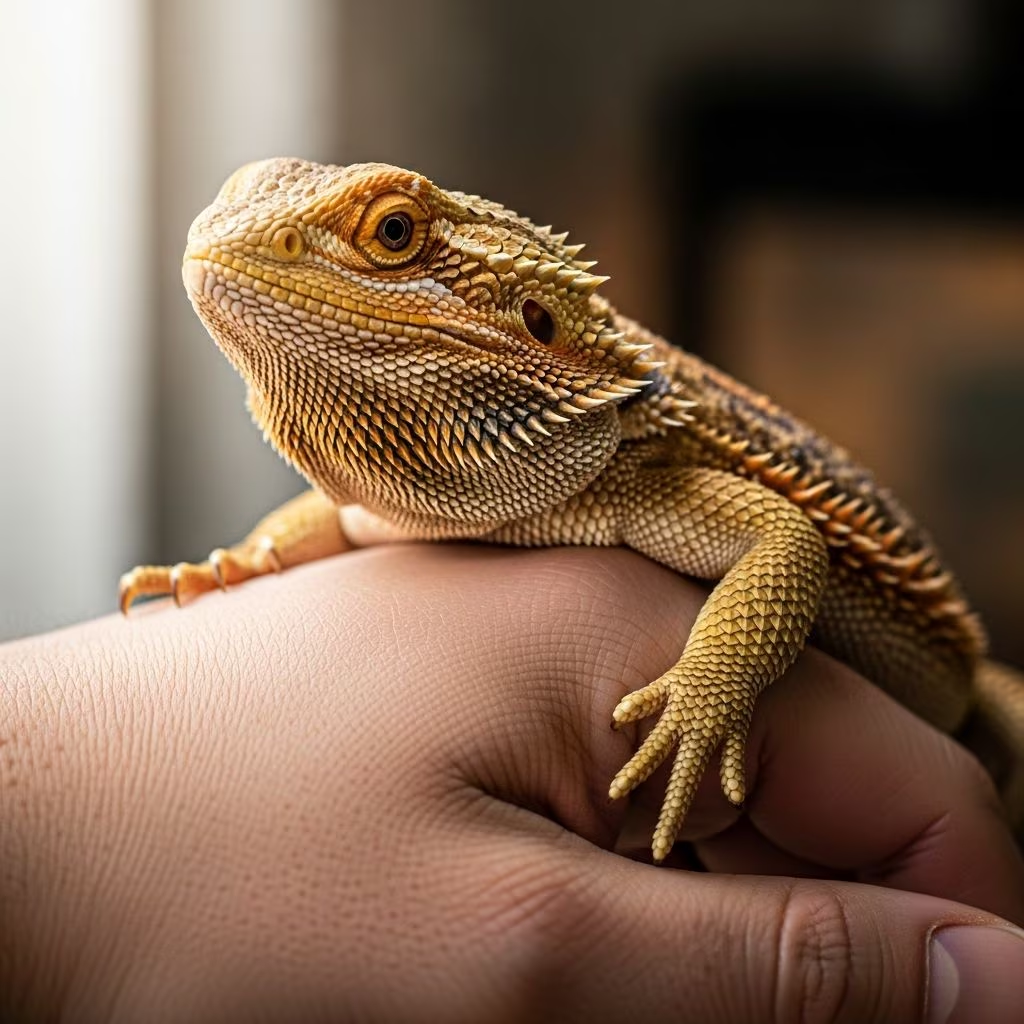
Do Bearded Dragons Like to Be Held?
Bearded dragons are among the most popular pet reptiles, and for good reason. They are generally docile, curious, and often enjoy interacting with their owners once they become comfortable with handling. However, whether your bearded dragon likes to be held depends on several factors, including its personality, age, socialization, and the techniques you use when handling it. Understanding your bearded dragon’s preferences and body language is essential for creating a positive relationship with your scaly companion.
Unlike many other reptile species, bearded dragons have a naturally laid-back temperament. They rarely bite, claw, or tail-whip without provocation, and many genuinely appear to enjoy snuggling with their owners. However, this doesn’t mean all bearded dragons will immediately appreciate being held—proper introduction and handling techniques are crucial for building trust and ensuring your dragon feels safe and secure in your hands.
Understanding Bearded Dragon Personality
Each bearded dragon has its own unique personality. Some are naturally more social and enjoy frequent interaction, while others may be more reserved or cautious. Your bearded dragon’s individual temperament plays a significant role in how much it enjoys being held. Additionally, whether your dragon was captive-bred and handled from a young age, or acquired from a breeder who had limited time for socialization, will influence its comfort level with human contact.
Baby bearded dragons can be particularly timid, as they interpret a approaching hand as a potential predator. Their defensive behaviors—such as mouth opening, biting, jumping, and flattening their belly—are natural survival mechanisms. Understanding that these reactions are not personal attacks, but rather fear responses, will help you approach taming and handling with patience and compassion.
The Taming Process: Building Trust Over Time
Bearded dragon taming is essential if you want a comfortable, trusting relationship with your pet. The process requires patience, consistency, and a realistic understanding of your dragon’s perspective. When you first bring your bearded dragon home, resist the temptation to immediately start handling and cuddling it. Your bearded dragon sees you as an enormous creature, and it needs time to determine whether you’re a friend or a potential threat.
Most experts recommend allowing your dragon to settle into its new environment for approximately 2 weeks before attempting regular handling. This adjustment period allows your dragon to acclimate to its enclosure, feeding schedule, and routine. During this time, you can sit near the enclosure, speak softly to your dragon, and allow it to observe you from a safe distance. This helps your dragon become familiar with your presence without feeling pressured.
After your bearded dragon has stopped running away from your hand and seems calm in your presence, you can begin handling it. However, reaching this milestone doesn’t automatically mean your dragon fully trusts you. Trust and a genuine friendship—as far as it goes between humans and lizards—takes consistent daily handling and positive interactions over weeks and months.
Proper Handling Techniques for Your Bearded Dragon
How you handle your bearded dragon directly impacts whether it enjoys the experience and continues to trust you. Improper handling can frighten your dragon, cause injury, and set back your bonding efforts significantly. Here are the essential techniques for safe and effective handling:
Support All Four Feet
One of the most critical handling rules is to always support all four of your bearded dragon’s feet. If even one foot is left unsupported, your dragon will feel off-balance and may begin thrashing to regain stability. This thrashing puts stress on your dragon and could result in falls or injuries. When lifting your dragon, slide your hand under its belly, supporting both the front and rear legs. Your other hand can provide additional support under the belly or along the back.
Use Slow and Deliberate Movements
Bearded dragons interpret fast, jerky movements as either predatory behavior or prey activity. Large, sudden movements remind them of aerial predators swooping in for an attack. Quick, small movements may appear to be prey animals darting about. Either way, rapid movements are stressful and distracting to your dragon. Instead, move slowly and deliberately when handling your dragon. This calm approach helps keep your dragon relaxed and comfortable.
Approach from Below, Not Overhead
Never approach your bearded dragon by coming at it from overhead with a closed fist. This mimics a predator’s attack pattern and will frighten your dragon. Instead, lay your hand flat in front of your dragon and gently slide it under its chin, allowing your dragon to walk onto your hand as if it were its own decision. This approach is far less threatening and helps your dragon feel more in control of the interaction.
Keep Your Dragon Low to the Ground
Unlike humans, bearded dragons don’t have an innate fear of heights and will often leap out of your hands if held too high. These falls can result in serious injuries. Keep your bearded dragon low to the ground, ideally at chest height or lower, during handling sessions. This precaution protects your dragon from potentially devastating falls.
Gentle Petting is Appreciated
Once your dragon is comfortable with you, gentle petting is generally tolerated and even appreciated. Stroke your dragon’s scales softly, moving in the direction the scales naturally lie. Never tug, pull, or tap your dragon. Additionally, resist the urge to rub against your dragon’s scales aggressively, as this can be uncomfortable and stressful. A gentle, respectful touch helps reinforce your bond.
No-Touch Zones: Areas to Avoid
Just like humans, bearded dragons have areas they prefer not to be touched. Understanding and respecting these boundaries is crucial for maintaining a positive relationship with your pet:
The Tail
Never grab or restrain your bearded dragon by the tail. To a bearded dragon, grabbing its tail seems like predatory behavior and will cause immediate stress and fear. Additionally, bearded dragons may lose their tails if threatened, so handling the tail carelessly can result in tail loss, which is stressful for your dragon and takes time to recover from.
The Head and Face
Be cautious around your dragon’s head, as this area houses most of its sensory organs. Blocking your dragon’s line of sight or interfering with its ability to smell can trigger panic responses. Many bearded dragons are particularly sensitive about their head and face being touched, so approach this area only after your dragon has demonstrated complete comfort with general handling.
The Back
Never place your bearded dragon on its back. This is one of the most important safety rules in bearded dragon care. Bearded dragons are not anatomically designed to support their weight while lying on their backs. Their skeletal structure provides minimal support in this position, and keeping your dragon on its back can effectively crush its internal organs under its own weight. This can cause serious internal injuries or even death. There is no legitimate reason to place your bearded dragon on its back, so simply avoid this position entirely.
Handling Session Duration and Frequency
While bearded dragons can enjoy handling, they can also become stressed if sessions last too long. Handling can be stressful for these reptiles, so it’s best to keep sessions relatively brief—typically 10 to 15 minutes. This duration allows for positive interaction and bonding without excessive stress. Frequent, short handling sessions are far more beneficial than occasional, lengthy sessions.
Hold your dragon daily for at least 15 minutes to help it become accustomed to handling and develop trust. If you’ve recently acquired a baby dragon or an adult dragon from a breeder who didn’t handle it frequently, you may need to invest significant time in the taming process. Consistency is key; daily handling is far more effective than sporadic interactions.
Recognizing Stress Signals in Your Bearded Dragon
Understanding your bearded dragon’s body language is essential for knowing when it’s enjoying interaction and when it needs a break. Several behavioral and physical signals indicate that your dragon is stressed or frightened:
Pancaking
If your bearded dragon suddenly flattens itself against the ground, spreading its body out completely, it’s displaying fear. This defensive maneuver is used in the wild to hide from predators. The flattened posture also hardens the dragon’s side spikes, making it appear less appealing as prey. If your dragon pancakes during handling, return it to its enclosure immediately and allow it to calm down.
Beard Puffing and Darkening
When bearded dragons feel threatened or defensive, they puff out their beards—the flap of skin beneath their chins. The beard may also darken in color, becoming nearly black. This puffing behavior makes the dragon appear larger and more intimidating to potential threats. If your dragon puffs its beard during handling, it’s signaling discomfort and should be returned to its safe space.
Hissing
Hissing is a clear warning signal that your bearded dragon feels threatened. This defensive vocalization is often accompanied by a flattened body posture and puffed beard. If your dragon hisses, stop handling immediately and place it back in its enclosure.
Attempting to Flee
If your bearded dragon is actively trying to escape your hands, it’s experiencing fear or stress. Respect this signal and return your dragon to its enclosure. Continuing to hold a dragon that wants to escape will only damage trust and increase stress.
Tail Twitching
Tail twitching can indicate agitation or excitement. While sometimes this is harmless, if combined with other stress signals, it may mean your dragon is uncomfortable.
Understanding Bearded Dragon Communication
Bearded dragons communicate through various behaviors and body language signals. Learning to read these communications helps you understand your dragon’s emotional state and preferences:
Head Bobbing
Head bobbing is a territorial and dominance display. Males often bob their heads rapidly to show dominance or during mating rituals. If a bearded dragon bobs its head slowly, it might be acknowledging another dragon’s dominance or recognizing your presence. Head bobbing while you’re around generally indicates your dragon is feeling good and alert.
Arm Waving
Arm waving is a submissive behavior, typically displayed by younger or less dominant dragons. The dragon lifts one front leg and moves it in a deliberate circular motion. This gesture signals submission and indicates the dragon poses no threat. If your bearded dragon arm waves at you, it may be showing that it submits to you as a dominant figure. You can build your dragon’s confidence by occasionally arm waving back at it.
Tail Up
When your bearded dragon’s tail is held upright, it’s displaying alertness and curiosity. This posture is typically seen while your dragon is hunting insects or exploring its environment. A raised tail indicates your dragon is engaged and feeling confident.
Tongue Flicking
Bearded dragons use their tongues to gather sensory information about their environment, including objects, food, and other animals. Rapid tongue flicking may indicate curiosity or a search for food. This behavior is generally not a stress signal and often indicates your dragon is interested in what’s happening around it.
Building a Strong Bond with Your Bearded Dragon
Successfully handling and enjoying time with your bearded dragon depends on building genuine trust and understanding your individual dragon’s personality. Here are key strategies for strengthening your bond:
- Allow proper adjustment time when first bringing your dragon home
- Handle your dragon daily for consistent, positive interactions
- Announce your presence by speaking softly before handling
- Keep handling sessions brief and positive
- Respect your dragon’s body language and stress signals
- Use proper handling techniques consistently
- Avoid forcing interaction if your dragon shows signs of stress
- Provide a secure, comfortable enclosure and proper care
- Feed your dragon well and maintain its environment
Special Considerations for Baby Bearded Dragons
Baby bearded dragons require extra patience and care when learning to handle them. Babies are particularly vulnerable and easily frightened. They may exhibit defensive behaviors like mouth opening, striking, jumping, and belly flattening when approached. These are survival mechanisms, not aggression. When handling babies, move even more slowly than you would with adults, support them very carefully, and keep sessions very brief. Building positive associations with handling from a young age will create a more social, comfortable adult dragon.
Frequently Asked Questions (FAQs)
Q: How long should I wait before handling my new bearded dragon?
A: Most experts recommend allowing your bearded dragon approximately 2 weeks to adjust to its new environment before beginning regular handling sessions. This adjustment period allows your dragon to become comfortable with its enclosure and routine before you introduce frequent human contact.
Q: How long should handling sessions last?
A: Handling sessions should typically last 10 to 15 minutes to avoid excessive stress. However, daily handling is important for building trust and familiarity. Brief, frequent sessions are more beneficial than occasional, lengthy interactions.
Q: What does it mean when my bearded dragon pancakes?
A: Pancaking—when your bearded dragon flattens its body against the ground—is a fear response. Your dragon is displaying a defensive posture used in the wild to hide from predators. If your dragon pancakes during handling, immediately return it to its enclosure and allow it to calm down.
Q: Can I put my bearded dragon on its back?
A: No, absolutely not. Never place your bearded dragon on its back. Their skeletal structure doesn’t provide adequate support in this position, and keeping them on their backs can crush their internal organs, causing serious injury or death. There is no legitimate reason to position your dragon this way.
Q: What should I do if my bearded dragon hisses at me?
A: Hissing is a warning signal that your dragon feels threatened. Stop handling immediately and return your dragon to its enclosure. Hissing is often accompanied by a puffed beard and flattened body posture, all indicating your dragon needs space and safety.
Q: How can I tell if my bearded dragon trusts me?
A: Signs of trust include your dragon remaining calm in your presence, not running away from your hand, allowing you to pet it gently, and engaging in arm waving or head bobbing without stress signals. Building trust takes time and consistent, daily positive interactions.
Q: Why does my bearded dragon arm wave at me?
A: Arm waving is a submissive behavior where your dragon is signaling that it poses no threat and acknowledges your dominance. This is actually a positive sign of your dragon recognizing and accepting you in your relationship.
References
- Bearded Dragon Taming & Body Language Tips — ReptiFiles. 2024. https://reptifiles.com/bearded-dragon-care/bearded-dragon-body-language-taming-handling/
- How to Handle a Bearded Dragon — Swell Reptiles. 2024. https://www.reptiles.swelluk.com/help-guides/how-to-handle-a-bearded-dragon/
- Understanding Bearded Dragon Behavior — Bird Exotics Vet. 2024. https://www.birdexoticsvet.com/post/understanding-bearded-dragon-behavior
- Handling and Bonding with Your Bearded Dragon: Building Trust and Strengthening Your Connection — PetWave. 2024. https://petwave.com.au/blogs/our-blog-2/handling-and-bonding-with-your-bearded-dragon-building-trust-and-strengthening-your-connection
- Bearded Dragon Care — UC Davis School of Veterinary Medicine. 2024. https://healthtopics.vetmed.ucdavis.edu/health-topics/exotics/bearded-dragon-care



