

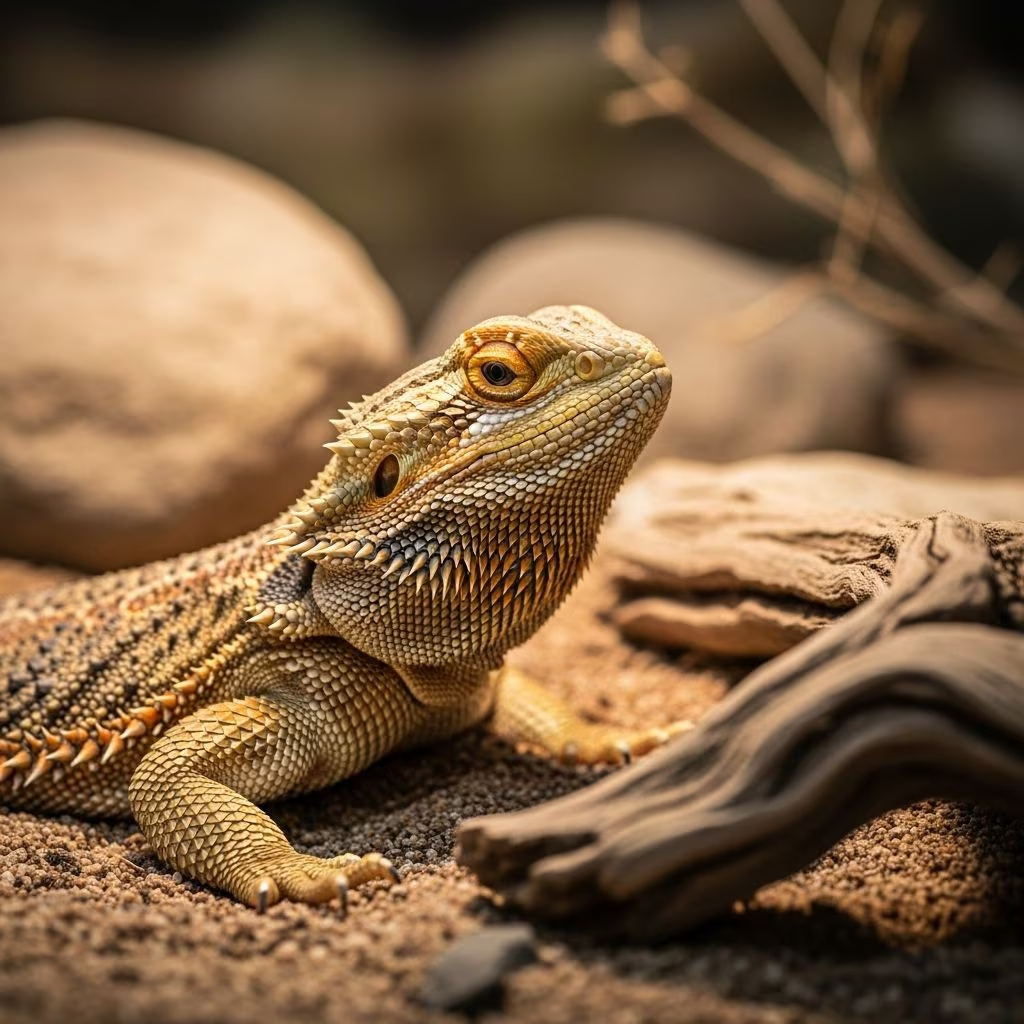
Do Bearded Dragons Hibernate?
Many new bearded dragon owners wonder whether their scaly companions hibernate like other animals during the winter months. The answer is nuanced: bearded dragons do not technically hibernate, but they do enter a state of dormancy called brumation. Understanding the difference between these two processes is essential for providing proper care and recognizing normal behavior patterns in your pet. This comprehensive guide will help you understand what brumation is, why it happens, and how to care for your bearded dragon during this natural and necessary period.
What Is Hibernation?
Before discussing brumation, it’s important to understand what hibernation actually is. Hibernation is a state of deep sleep that mammals enter during winter to conserve energy. During true hibernation, animals’ heart rates drop dramatically, their body temperature decreases significantly, and they rely entirely on stored body fat for survival. Hibernating mammals do not eat, drink, or defecate during the hibernation period, which can last several months. Their bodies essentially shut down all non-essential functions to survive the harsh winter months when food is scarce and temperatures are dangerously low.
Understanding Bearded Dragon Brumation
Brumation is a different process than hibernation, though the two terms are often confused. Brumation is a state of dormancy specific to cold-blooded reptiles where their metabolism slows significantly in response to cooler temperatures and reduced daylight hours. During brumation, bearded dragons become less active, eat very little or not at all, and spend extended periods sleeping. However, unlike true hibernation, brumation is not a complete shutdown of bodily functions.
Key Differences Between Hibernation and Brumation
The primary difference between hibernation and brumation lies in how these states function at a physiological level. During hibernation, mammals’ digestion systems completely shut down and they do not wake up until spring arrives. In contrast, during brumation, bearded dragons may occasionally wake up to drink water or move to a different spot. Additionally, while hibernating mammals rely entirely on stored body fat, brumating reptiles maintain minimal activity levels and may consume small amounts of food if they feel motivated to bask under heat sources.
Why Do Bearded Dragons Brumate?
Bearded dragons are ectothermic animals, meaning they cannot regulate their own body temperature and must rely on their external environment to stay warm. In their natural habitat in inland Australia, these reptiles experience significant temperature and daylight variations during winter months. When temperatures drop and daylight hours decrease, bearded dragons instinctively enter brumation as a survival mechanism.
Natural Triggers for Brumation
Several environmental factors trigger brumation in bearded dragons:
- Temperature decline: Cooler ambient temperatures signal the dragon’s body to enter dormancy mode
- Reduced daylight hours: Shorter days trigger hormonal changes that initiate brumation
- Food scarcity: In the wild, fewer insects and plants are available during winter months
- Age and maturity: Younger dragons may not brumate as readily as adults
In the wild, bearded dragons burrow underground or find shelter in rock crevices where they can conserve energy and survive on their stored nutritional reserves until warmer weather returns. This natural adaptation has allowed bearded dragons to thrive in their native Australian environment for millions of years, and this instinct remains present even in captive-bred dragons.
Signs Your Bearded Dragon Is Brumating
Recognizing the signs of brumation is crucial for new bearded dragon owners to avoid unnecessary alarm. While brumation can appear concerning, it is a completely normal and healthy process. However, it’s important to distinguish between typical brumation behavior and signs of illness.
Common Brumation Signs
- Increased sleeping: Your dragon may sleep significantly more than usual, including during daylight hours
- Loss of appetite: Your dragon may refuse food entirely or show minimal interest in eating
- Hiding and burrowing: Your dragon will seek out cool, dark areas and may dig into substrate to create a brumation den
- Reduced activity: Overall movement decreases, and your dragon appears lethargic when awake
- Earlier bedtime: Your dragon may retire to sleep earlier than normal
- Spending less time basking: Your dragon avoids the basking area and retreats to cooler sections of the enclosure
- Infrequent bowel movements: Reduced food intake means fewer and less frequent bowel movements
- Skin shedding: Some dragons shed more frequently as their bodies prepare for cooler temperatures
- Color changes: Your dragon’s coloration may darken as they attempt natural camouflage
- Aversion to handling: Your dragon may seem disinterested in social interaction and resist being handled
These signs typically begin in late fall (October and November in the Northern Hemisphere) or around June for dragons influenced by Australian seasonal patterns. It’s essential to monitor your dragon during this period to ensure their health and safety.
When Should You Be Concerned?
While brumation is normal, certain signs indicate you should consult a veterinarian:
- Dramatic weight loss: Some appetite loss is normal, but significant weight loss indicates a problem
- Extreme lethargy: Complete lack of response or movement beyond normal brumation behavior
- Discharge or unusual odors: Any abnormal secretions suggest illness rather than brumation
- Young age: Bearded dragons under 10 months old should not brumate and require veterinary consultation if they show brumation signs
- Prolonged brumation: If brumation lasts longer than four months, veterinary advice is recommended
How to Care for Your Bearded Dragon During Brumation
Proper care during brumation ensures your dragon emerges healthy and unharmed. The key is to provide the right environment while respecting your dragon’s natural need for dormancy.
Creating an Ideal Brumation Environment
Temperature management: Maintain enclosure temperatures between 65-75°F during the day and allow nighttime temperatures to drop to 60-70°F. This temperature range supports natural brumation without causing excessive stress. Avoid allowing temperatures to drop below 55°F, as this can be dangerously cold.
Lighting considerations: Reduce UVB lighting to mimic shorter daylight hours. You can reduce lighting to 8-10 hours daily during brumation season. Maintain some UVB lighting, as this helps stimulate appetite and prevents metabolic bone disease, particularly important during periods of reduced activity. Completely removing UVB lighting can lead to serious health complications.
Provide hiding spaces: Offer multiple hiding spots, including burrows, caves, planters, and natural decor where your dragon can retreat. These spaces provide security and comfort during dormancy.
Feeding During Brumation
Most bearded dragons refuse food during brumation, which is completely normal. However, if your dragon occasionally basks and appears alert, you can offer small amounts of food. Some dragons may eat light meals during brief periods of activity. Never force-feed your dragon during brumation, as their digestive system is essentially shut down and food will not be properly processed.
Offer water regularly, as dragons may occasionally wake to drink despite reduced overall activity. Proper hydration remains important even during dormancy.
Monitoring During Dormancy
Leave your dragon alone as much as possible during brumation. Minimize handling and disturbances, as your dragon needs undisturbed rest. Check on your dragon occasionally to ensure they appear healthy and show no signs of illness. Avoid trying to wake or stimulate your dragon to eat or interact.
Duration of Bearded Dragon Brumation
The duration of brumation varies significantly among individual dragons. Some may brumate for just a few weeks, while others enter dormancy for several months. Brumation typically lasts anywhere from a few weeks to approximately four months. Factors affecting brumation length include the dragon’s age, individual metabolism, environmental conditions in the enclosure, and how closely your home temperature mimics natural seasonal changes.
In the wild, Australian bearded dragons brumate during their winter months (May through August), when daytime temperatures range from 68-72°F and nighttime temperatures drop to 40-44°F. In captivity, the duration often depends on how much your environment replicates these natural conditions.
Preventing Unwanted Brumation
Some owners prefer to prevent brumation by maintaining consistent year-round lighting and temperatures in their dragon’s enclosure. This is possible and does not harm the dragon. To prevent brumation, maintain consistent temperatures of 85-95°F during the day and 75-80°F at night, and provide 12 hours of UVB lighting daily throughout the year. This prevents the environmental cues that trigger brumation.
However, allowing natural brumation is often considered healthier for dragons, as this dormancy period may offer physiological benefits. The choice between allowing or preventing brumation should be discussed with a veterinarian familiar with reptile care, as both approaches have merit.
What to Expect When Your Dragon Emerges from Brumation
As temperatures warm and daylight hours increase, your dragon will gradually emerge from brumation. This emergence process typically takes a week or two as your dragon slowly becomes more active. Initially, your dragon may still seem sluggish and show minimal interest in food. Gradually reintroduce regular lighting and temperature schedules, and offer small food items to gently stimulate their appetite.
As your dragon becomes more active, increase food offerings and return to normal feeding schedules. Monitor your dragon’s behavior and adjust back to regular care routines gradually. If your dragon seems weak or has difficulty moving after brumation, consult a veterinarian to rule out any complications.
Do All Bearded Dragons Brumate?
Not all bearded dragons brumate, even though most have the biological capacity to do so. Most bearded dragons kept in controlled captive environments with consistent temperatures and lighting do not enter brumation, as they do not receive the environmental signals that trigger this response. Younger dragons, particularly those under 12 months old, rarely brumate. Additionally, some individual dragons simply do not brumate even when exposed to appropriate environmental cues, likely due to genetics or individual variation.
The presence or absence of brumation in your specific dragon depends on its age, genetics, and the environmental conditions you maintain in your enclosure.
Frequently Asked Questions About Bearded Dragon Brumation
Q: Is brumation dangerous for my bearded dragon?
A: No, brumation is not inherently dangerous for healthy adult bearded dragons. It is a natural biological process that allows dragons to survive harsh environmental conditions. However, monitoring your dragon’s health during brumation is important, and you should consult a veterinarian if you notice signs of illness rather than normal brumation behavior.
Q: Should I wake my bearded dragon during brumation?
A: No, you should not attempt to wake your bearded dragon during brumation. Allow your dragon to rest undisturbed. Trying to stimulate activity or force-feeding can stress your dragon and interfere with the natural brumation process.
Q: How often should I feed my bearded dragon during brumation?
A: Most bearded dragons do not eat during brumation. If your dragon occasionally wakes and basks, you can offer small food amounts, but do not expect regular feeding. Forced feeding during brumation is counterproductive, as digestion essentially stops during this period.
Q: Can brumation last longer than four months?
A: While typical brumation lasts several weeks to four months, unusually prolonged brumation warrants veterinary consultation to rule out underlying health issues.
Q: What should I do if my young bearded dragon shows brumation signs?
A: Young bearded dragons under 10 months old should not brumate. If your young dragon shows brumation signs, consult a veterinarian immediately, as this may indicate illness rather than natural dormancy.
Q: Will my bearded dragon forget me during brumation?
A: No, brumation does not affect your dragon’s memory or recognition of you. Once your dragon emerges from brumation and becomes active again, your normal relationship will resume.
Q: Is it better to allow or prevent brumation?
A: Both approaches are viable. Allowing natural brumation mimics wild conditions and may provide physiological benefits, while preventing brumation through consistent environmental control is also acceptable. Discuss this decision with your veterinarian based on your specific dragon’s needs and your capabilities as an owner.
References
- Bearded Dragon Brumation: Everything You Should Know — Reptizoo. 2024. https://reptizoo.store/blogs/reptizoo-reptiles-blogs/bearded-dragon-brumation-everything-you-should-know
- Bearded Dragons and Brumation: What to Do — Zen Habitats. 2024. https://www.zenhabitats.com/blogs/reptile-care-sheets-resources/bearded-dragons-and-brumation-what-to-do
- Brumation in Bearded Dragons — VCA Animal Hospitals. 2024. https://vcahospitals.com/know-your-pet/brumation-in-bearded-dragons
- Bearded Dragon Brumation Explained — Swell Reptiles. 2024. https://www.reptiles.swelluk.com/help-guides/bearded-dragon-brumation-explained/
- Bearded Dragon Brumation: Everything You Need to Know — Dragon’s Diet. 2024. https://dragonsdiet.com/blogs/dragon-care/bearded-dragon-brumation-everything-you-need-to-know
- Bearded Dragon Brumation — ExoticDirect. 2024. https://exoticdirect.co.uk/news/bearded-dragon-brumation/



