

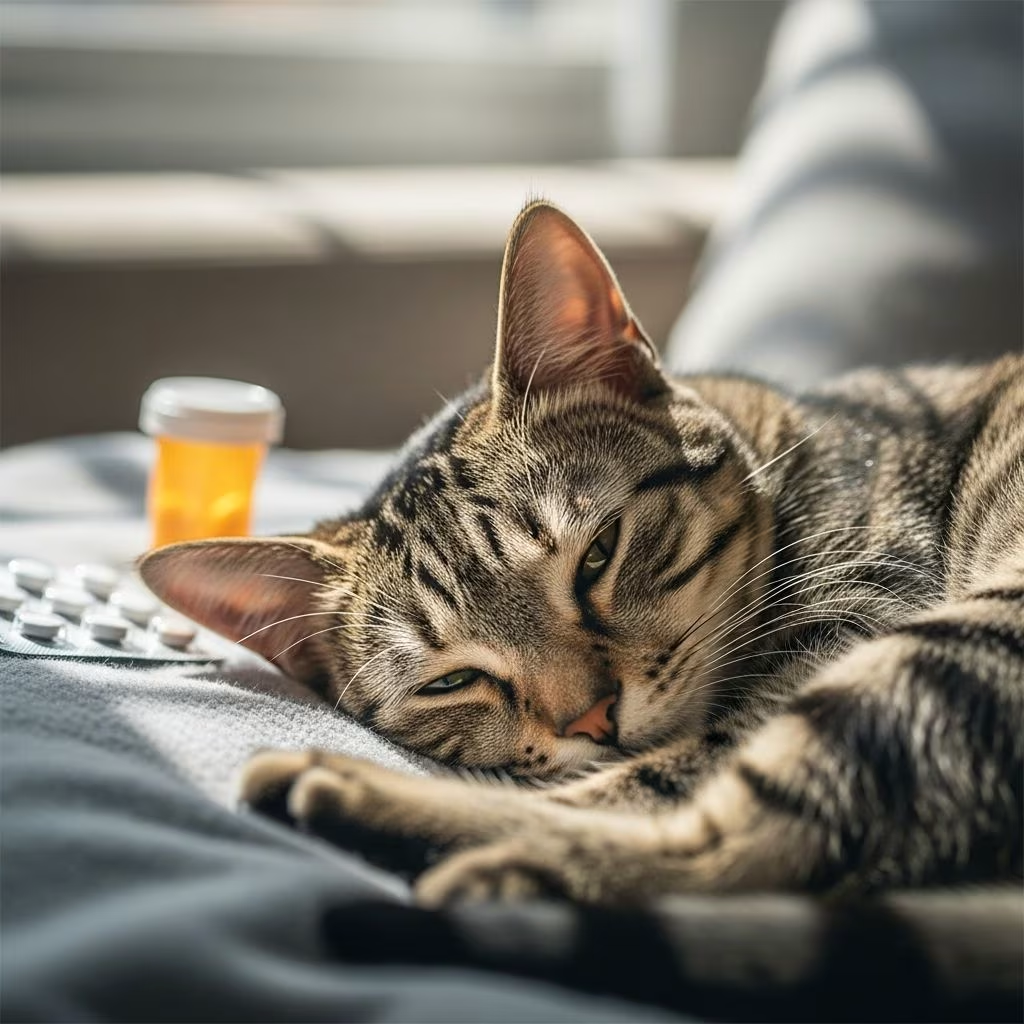
Antibiotics prescribed for cats primarily target bacterial infections but can sometimes lead to drowsiness or lethargy as a secondary effect, though this is not universal or the main outcome. These medications work by disrupting bacterial growth, allowing the cat’s immune system to recover, yet individual responses vary based on the drug type, dosage, and the cat’s health status.
Understanding Feline Responses to Antibiotic Therapy
Cats metabolize antibiotics differently from humans due to their unique physiology, including sensitive digestive systems and livers. While many felines tolerate these drugs well and show improved energy as infections clear, some exhibit temporary fatigue. Lethargy often stems from the underlying illness rather than the antibiotic itself, but certain formulations may contribute by causing mild nausea or disrupting gut flora.
Common antibiotics like penicillins (e.g., amoxicillin derivatives) and cephalosporins are broad-spectrum and bactericidal, attacking bacterial cell walls effectively against issues like urinary tract infections or abscesses. Fluoroquinolones or tetracyclines carry higher risks of specific reactions, including potential behavioral shifts in sensitive cats.
Primary Side Effects Beyond Drowsiness
Gastrointestinal disturbances dominate as the most frequent antibiotic reactions in cats, affecting digestion and appetite more directly than energy levels. Key symptoms include:
- Vomiting: Often occurs soon after dosing, linked to stomach irritation or pill administration irritation.
- Diarrhea: Results from imbalance in gut bacteria; may persist weeks post-treatment as beneficial microbes recover.
- Appetite loss: Cats may drool excessively or avoid food, exacerbating lethargy indirectly through reduced nutrition.
- Salivation increase: Common with oral tablets, signaling nausea or esophageal discomfort.
These effects typically appear within 24 hours and resolve as treatment progresses, but monitoring is essential.
Is Lethargy a Direct Antibiotic Effect?
While cats naturally sleep 12-16 hours daily, antibiotics rarely induce profound sleepiness unless compounded by other factors like dehydration from diarrhea or the infection’s toll. Sources note occasional lethargy alongside appetite reduction, but emphasize it’s milder than with sedatives or antihistamines. Behavioral changes, such as hiding or reduced playfulness, warrant attention if they deviate from the cat’s baseline.
| Antibiotic Type | Common Uses in Cats | Lethargy Risk | Other Notable Effects |
|---|---|---|---|
| Penicillins/Cephalosporins | UTIs, abscesses, respiratory infections | Low | GI upset, oesophagitis |
| Fluoroquinolones (e.g., enrofloxacin) | Skin, urinary infections | Moderate (rare seizures) | Eye damage at high doses, blindness risk |
| Tetracyclines | Respiratory, tick-borne diseases | Low-Moderate | Tooth discoloration in kittens |
| Metronidazole | GI infections, dental issues | Moderate | Neurological changes, seizures |
This table summarizes risks based on veterinary resources, highlighting that lethargy is not the hallmark side effect.
Risk Factors Amplifying Reactions
Certain cats face heightened vulnerability:
- Kittens under 6 months: Susceptible to bone growth interference or dental staining from tetracyclines.
- Pregnant queens: Antibiotics may harm fetuses or cause defects.
- Cats with kidney/liver issues: Impaired drug clearance leads to toxicity, intensifying lethargy or other symptoms.
- Allergies: Hives, rashes, or anaphylaxis; repeat exposure worsens reactions.
Overuse fosters antibiotic resistance, prolonging illness and necessitating stronger drugs with potentially harsher profiles.
Strategies to Minimize Side Effects
Proactive steps enhance tolerance:
- Administer with food (unless vet advises otherwise) to buffer stomach lining and prevent esophageal sticking.
- Opt for topical or injectable forms when feasible, bypassing GI tract.
- Complete the full course to avoid resistance, even if mild symptoms appear.
- Support gut health with probiotics post-treatment, under vet guidance.
- Maintain hydration and a nutrient-rich diet to combat appetite loss.
Good hygiene reduces reinfection risks, lessening antibiotic needs.
When to Contact Your Veterinarian Urgently
Not all reactions resolve independently. Seek immediate care for:
- Extreme lethargy preventing normal arousal or interaction.
- Persistent vomiting/diarrhea lasting over 24-48 hours.
- Respiratory distress, hives, or swelling.
- Blood in stool/urine, straining, or neurological signs like tremors.
- No improvement in infection symptoms after 3 days.
Never abruptly halt antibiotics, as this promotes resistance and relapse.
Long-Term Considerations and Prevention
Antibiotic stewardship is crucial amid rising resistance. Vets prescribe judiciously, favoring tests to confirm bacterial need over viral issues. Preventive measures include vaccinations, parasite control, and dental hygiene to curb infection sources.
For chronic cases, discuss alternatives like narrow-spectrum drugs or combination therapies to spare gut flora. Post-treatment, monitor for secondary yeast infections, especially on skin or ears, treatable with antifungals.
FAQs on Antibiotics and Cat Sleepiness
Can all antibiotics make my cat sleepy?
No, lethargy is uncommon and usually mild; it’s more tied to GI effects or illness than direct sedation.
How long do side effects like drowsiness last?
Most resolve within days as the body adjusts or treatment ends; persistent cases need vet review.
Should I give probiotics with antibiotics?
Yes, vet-recommended probiotics help restore gut balance and may reduce diarrhea.
What if my cat refuses antibiotic pills?
Compounding into flavored liquids or treats, or switching forms, can improve compliance—consult your vet.
Are antibiotics safe for senior cats?
Generally yes, but dose adjustments for kidney function are vital to avoid toxicity.
By vigilantly observing your cat during antibiotic courses, you safeguard their well-being and treatment success. Always partner with your veterinarian for tailored advice.
References
- Antibiotics for Cats: Overview, Dosage, & Side Effects — cats.com. 2023. https://cats.com/antibiotics-for-cats
- Antibiotics for cats – Joii Pet Care — joiipetcare.com. 2024. https://www.joiipetcare.com/blogs/procedures-and-medication/antibiotics-for-cats
- Cat Medication Side Effects: 7 Essential Warning Signs — thepetvet.com. 2023. https://thepetvet.com/cat-medication-side-effects/
- Can antibiotics make my cat act weird? — dialavet.com. 2024. https://www.dialavet.com/vet-answers/antibiotics-effect-on-cat-behavior-212386
- Understanding the Side Effects of Antibiotics in Cats — oreatai.com. 2023. http://oreateai.com/blog/understanding-the-side-effects-of-antibiotics-in-cats/d1657bb122cbb6930c119d5f954a9dfe
- Antibiotics for Cats: Types and Possible Side Effects — purina.co.uk. 2022-09-25. https://www.purina.co.uk/articles/cats/health/symptoms/antibiotics-for-cats
- Antibiotics for cats – Cats Protection — cats.org.uk. 2024. https://www.cats.org.uk/help-and-advice/health/antibiotics-for-cats



