

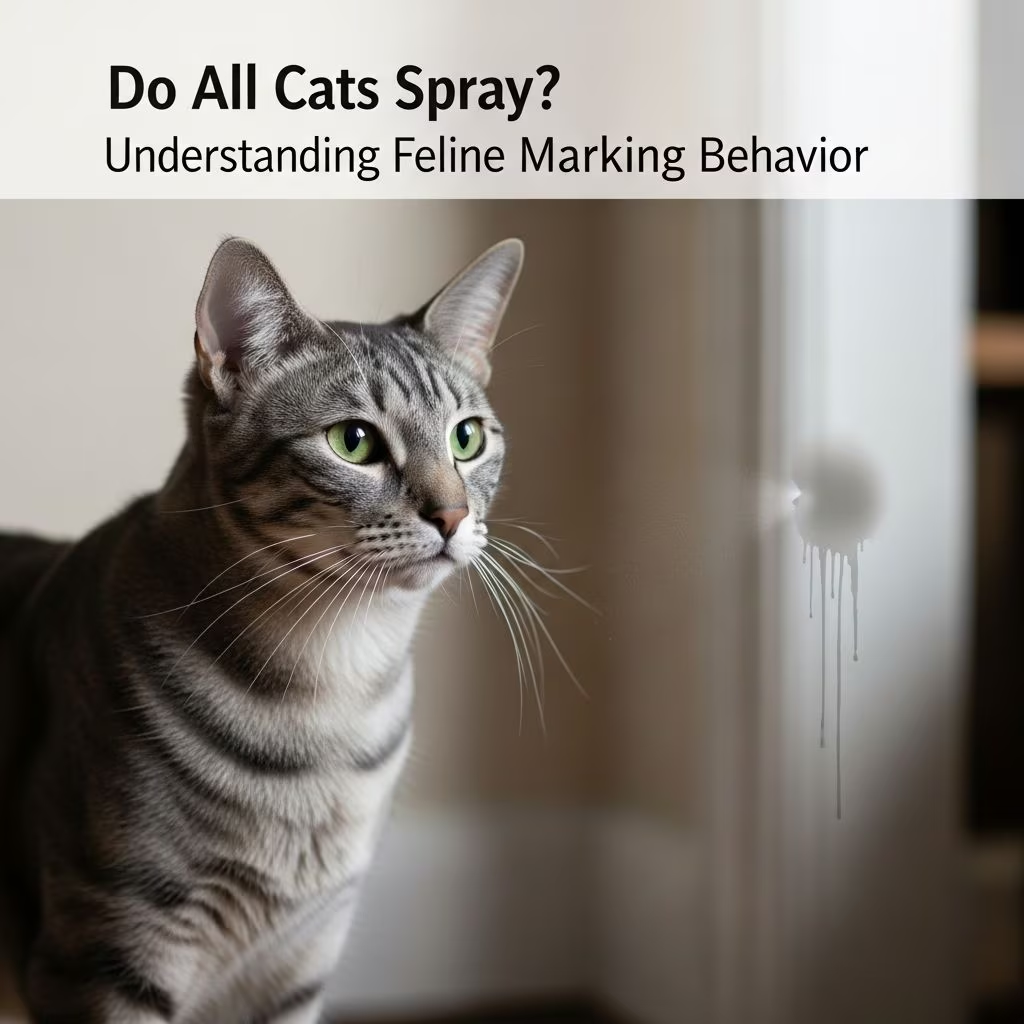
Do All Cats Spray? Understanding Feline Marking Behavior
Cat spraying is one of the most frustrating behaviors pet owners encounter, yet it remains widely misunderstood. Many people assume that only unneutered males spray or that it’s simply a behavioral problem reflecting poor training. In reality, cat spraying is a complex communication method rooted in feline instinct, and while not all cats spray, the behavior is far more common than many realize. Understanding what cat spraying is, why it happens, and which cats are most likely to engage in it can help you better manage your feline companion and preserve your home.
What Exactly Is Cat Spraying?
Cat spraying, also known as urine marking, is distinctly different from normal urination. When a cat sprays, they don’t squat as they would at a litter box. Instead, they back up to a vertical surface—such as a wall, doorframe, or piece of furniture—raise their tail, and release a small amount of urine. During this process, the cat’s tail typically quivers or vibrates, and their back feet may tread on the floor. The cat may sniff or rub the surface beforehand, creating additional scent marking.
The urine released during spraying contains pheromones, which are oily secretions from the anal glands. These pheromones give cat spray a distinctly stronger and more pungent odor than regular urine. While cats can occasionally spray horizontal surfaces, vertical spraying is the hallmark of marking behavior.
Do All Cats Spray?
The short answer is no—not all cats spray. However, the behavior is more widespread than many pet owners expect. Both male and female cats can spray, and both neutered and spayed cats may engage in this behavior. That said, intact (unneutered) males are significantly more likely to spray than other groups.
Research on urine-spraying cats indicates that male cats and cats from multi-cat households are overrepresented among cats that spray. This suggests that hormonal factors and social dynamics play substantial roles in determining whether a cat will exhibit marking behavior.
While spraying is more common in certain populations of cats, it’s important to recognize that nearly any cat can spray under the right circumstances. Stress, environmental changes, medical conditions, and inter-cat conflict can trigger spraying in cats that have never marked before.
Why Do Cats Spray? Understanding the Triggers
Territorial Marking
Cats are naturally territorial animals, and spraying is their primary method of establishing and maintaining territorial boundaries. When a cat sprays, they’re essentially leaving a scent message that communicates information about their age, sex, health, activity level, and the boundaries of their territory to other cats in the area.
Territorial spraying becomes especially pronounced in multi-cat households where cats must negotiate shared spaces. When one cat feels that another cat is encroaching on their territory or attempting to claim resources like food, toys, litter boxes, or favorite resting spots, they may spray to reassert their claim.
Even indoor cats may spray in response to outdoor cats they see through windows. The sight of a neighborhood cat represents a perceived territorial threat, prompting an indoor cat to spray as a way of affirming that the territory is occupied and discouraging the outside cat from approaching.
Mating and Reproductive Behavior
Unneutered male cats spray to attract mates and communicate their sexual availability to females in the vicinity. The strong, musky scent acts as an advertisement to potential mates. This behavior typically begins around six months of age when cats reach sexual maturity, though it can start earlier or later depending on the individual cat.
Female cats, particularly those in heat, may also spray to communicate their reproductive status and attract males. Spaying eliminates this hormonal drive in females, significantly reducing heat-related spraying.
Stress and Anxiety
Cats are sensitive creatures that respond strongly to environmental changes. Alterations to their routine, such as changes in feeding times or litter box locations, can trigger anxiety. Similarly, household modifications—moving to a new home, remodeling projects, new people visiting, or the addition of new pets—can cause significant stress.
When stressed, cats often use their own scent to create a sense of familiarity and security. Spraying deposits their pheromones in their environment, helping them feel more in control and calm. This is why some cats spray more intensively during particularly stressful periods.
Conflict with Other Pets
In multi-cat households, tension or competition for resources commonly leads to stress-induced spraying. Cats may also spray in response to the presence of other types of pets, such as dogs or rabbits, that they perceive as threats to their space or resources.
Frustration and Unmet Needs
Frustration can also trigger marking behavior. For example, a hungry cat facing an empty food bowl may spray near the source of frustration. Similarly, indoor-outdoor cats waiting for a door to open may spray out of impatience. Cats living indoors without sufficient access to social and environmental enrichment may experience chronic stress that manifests as marking behavior.
Insecurity and Low Confidence
When cats feel insecure, they may spray on furniture, beds, and household items to surround themselves with their own comforting scent. This behavior is an attempt to increase their sense of confidence and security within their living space.
Medical Causes of Cat Spraying
Before assuming your cat’s spraying is purely behavioral, it’s essential to rule out medical causes. An adult cat that suddenly begins spraying or stops using the litter box normally should be evaluated by a veterinarian.
Feline Lower Urinary Tract Syndrome (FLUTS) is a common, treatable condition that can cause inappropriate urination and marking behavior. This condition results in inflammation or blockage of the urinary tract, making urination difficult or uncomfortable. If left untreated, FLUTS can become potentially life-threatening.
Other medical conditions affecting the urinary system can also contribute to spraying behavior. Additionally, endocrine disorders such as adrenal gland issues may influence marking behavior, making a veterinary examination crucial before pursuing purely behavioral interventions.
Preventing and Managing Cat Spraying
Spay or Neuter Your Cat
Neutering and spaying are among the most effective strategies for reducing or preventing cat spraying, particularly when the behavior is hormonally driven. Most cats should be spayed or neutered before six months of age to prevent spraying from becoming an ingrained habit. In many cases, neutering an intact male can significantly reduce or eliminate spraying behavior within days or weeks.
Reduce Environmental Stress
Creating a stable, low-stress environment is fundamental to preventing stress-induced spraying. Keep your cat’s routine consistent by maintaining regular feeding times, preserving the locations of litter boxes and food bowls, and minimizing sudden changes to their environment.
When changes are necessary, introduce them gradually. If you’re moving to a new home or adding a new pet, give your cat time to acclimate slowly to the new situation. Provide safe spaces where your cat can retreat to feel secure.
Manage Multi-Cat Households
In homes with multiple cats, provide sufficient resources to minimize competition and conflict. The general rule is to have at least one litter box per cat, plus one extra. Place litter boxes in separate locations to give cats options and reduce territorial disputes.
Ensure each cat has access to their own food and water bowls, favorite toys, and preferred resting spots. Consider vertical space by providing cat trees and shelves, which allow cats to establish separate territories within your home.
Block Visual Access to Outdoor Cats
If your indoor cat sprays in response to seeing outdoor cats, reduce their visual access to the neighborhood. Close blinds or curtains on windows where outdoor cats are visible. You might also consider installing window film that obscures the view while still allowing light in.
Clean Sprayed Areas Thoroughly
Once a cat has sprayed in a location, the pheromones remain even after the urine dries. This encourages repeated spraying in the same spot. Use enzymatic cleaners specifically designed to break down urine compounds, ensuring you remove all traces of the sprayed urine, not just the odor.
Provide Enrichment and Environmental Modification
Cats living indoors without sufficient enrichment may spray due to stress and boredom. Provide climbing structures, scratching posts, toys, window perches, and interactive play sessions. Regular play and mental stimulation can help reduce stress-related spraying.
Consult with Your Veterinarian or a Behaviorist
If your cat continues to spray despite your best efforts, work with your veterinarian to rule out medical causes. If the behavior is confirmed to be behavioral, your vet may recommend consultation with a certified animal behaviorist who can develop a customized management plan.
Frequently Asked Questions About Cat Spraying
Q: Is cat spraying a sign that my cat is angry or misbehaving?
A: No. Cat spraying is not a sign of anger or rebellion. It’s a natural communication method rooted in feline instinct. Your cat is not being intentionally destructive or disobedient—they’re responding to territorial, hormonal, or stress-related triggers.
Q: Can female cats spray?
A: Yes, female cats can and do spray. While unneutered males are more prone to spraying, spayed females also engage in this behavior, particularly in response to stress, territorial disputes, or environmental changes.
Q: Will neutering eliminate spraying completely?
A: Neutering significantly reduces or eliminates hormonally driven spraying in many cats. However, if a cat has developed spraying as a stress response or territorial behavior, neutering alone may not completely stop the behavior. Addressing underlying stressors and environmental factors is also important.
Q: How can I tell the difference between spraying and normal urination outside the litter box?
A: Spraying occurs on vertical surfaces and involves tail quivering and backing up to the surface. Normal urination outside the litter box typically involves squatting over horizontal surfaces. Sprayed urine also has a much stronger odor due to the presence of pheromones from anal glands.
Q: Should I punish my cat for spraying?
A: No. Punishment is ineffective and can increase stress, potentially worsening the spraying behavior. Instead, focus on identifying and addressing the underlying cause of the spraying through environmental management, stress reduction, and veterinary consultation.
Q: Can indoor cats spray?
A: Yes, indoor cats spray just as readily as outdoor cats, often in response to territorial disputes with other household cats, stress from environmental changes, or the presence of outdoor cats they perceive as threats.
Conclusion
While not all cats spray, the behavior is common enough that most cat owners will encounter it at some point. Understanding that spraying is a form of communication—not misbehavior—is the first step toward effectively managing it. By addressing the underlying triggers, whether hormonal, territorial, or stress-related, and working closely with your veterinarian, you can significantly reduce or eliminate unwanted spraying in your home. Remember that patience, consistency, and a focus on your cat’s wellbeing will yield the best results in managing this frustrating but ultimately natural feline behavior.
References
- Why Cats Spray and How to Prevent It — Harlingen Veterinary Clinic. 2024. https://harlingenveterinaryclinic.com/blog/cat-spraying/
- Cat Spraying: Why Cats Do It and How to Stop It — PetMD. 2025-06-05. https://www.petmd.com/cat/general-health/cat-spraying-why-cats-do-it-and-how-to-stop-it
- Cat Spraying vs Peeing: What Does Cat Spray Smell Like? — Yalesvlle Veterinary Hospital. 2024. https://yalesvillevet.com/blog/what-does-cat-spray-smell-like/
- Cat Behavior Problems – Marking and Spraying Behavior — VCA Animal Hospitals. 2024. https://vcahospitals.com/know-your-pet/cat-behavior-problems-marking-and-spraying-behavior
- Cat Spraying: Why Cats Spray & How to Control It — Purina. 2025-06-05. https://www.purina.com/articles/cat/behavior/understanding-cats/why-do-cats-spray
- Common Feline Problem Behaviors: Urine Spraying — Pryor et al., Sage Journals. 2019. https://journals.sagepub.com/doi/10.1177/1098612X19831203
- Urine Marking in Cats — ASPCA. 2024. https://www.aspca.org/pet-care/cat-care/common-cat-behavior-issues/urine-marking-cats



