

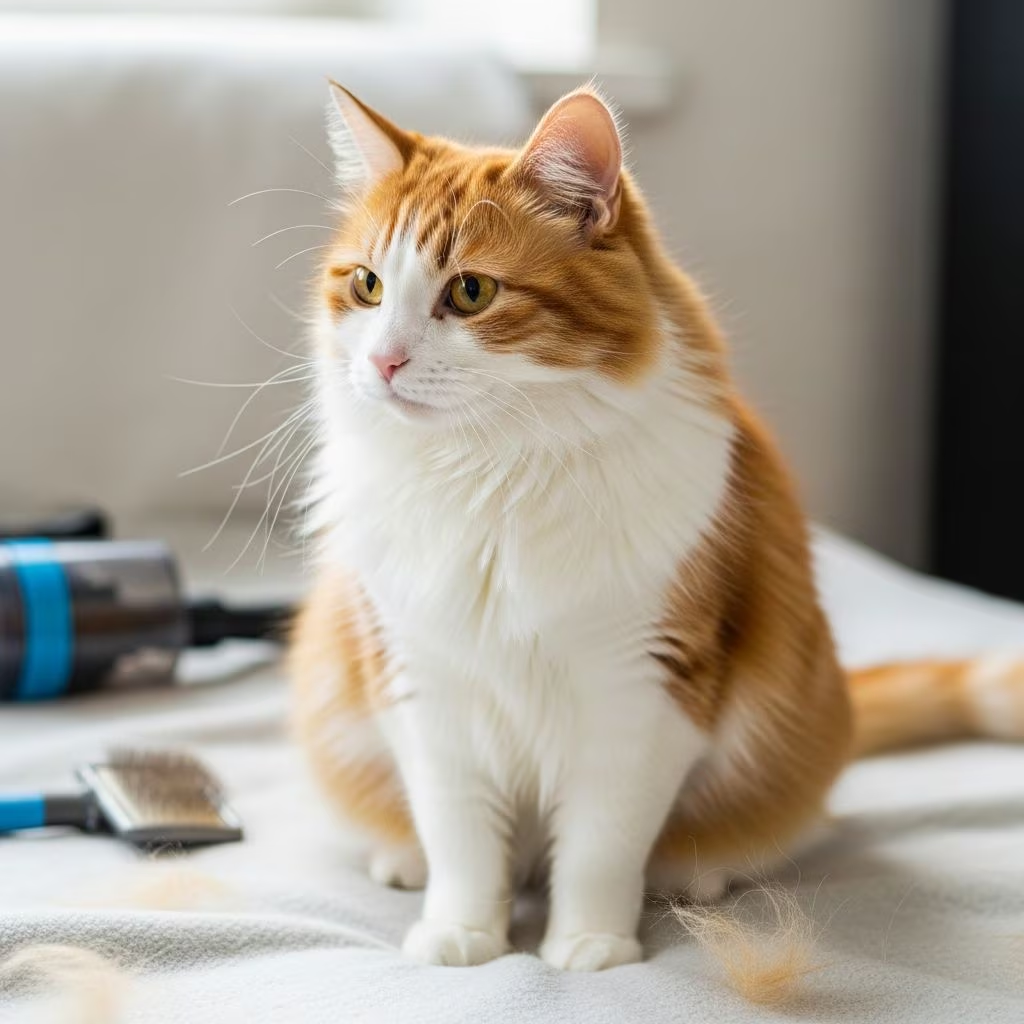
Every cat owner encounters loose fur at some point, but the question remains: do all cats shed? The answer is yes—shedding is a natural biological process for all felines, helping them renew their coats by releasing dead hairs and distributing skin oils. However, the volume and frequency differ widely based on genetics, lifestyle, and environmental factors. Understanding these nuances allows pet parents to distinguish normal shedding from potential health concerns and implement effective management strategies.
The Biology Behind Feline Shedding
Cats possess millions of hair follicles that continuously produce new hairs while shedding old ones. This cycle ensures their coat remains healthy, waterproof, and insulated against temperature changes. Shedding primarily removes dead undercoat hairs that cats cannot fully eliminate through self-grooming alone. Indoor felines, shielded from natural daylight cycles, often exhibit steady shedding year-round rather than distinct seasonal peaks, influenced by artificial lighting and consistent indoor temperatures.
Long-haired breeds like Persians or Maine Coons typically produce more noticeable fur fallout compared to short-haired varieties such as Siamese. Double-coated cats, featuring a dense undercoat beneath guard hairs, experience more dramatic molts. This process not only refreshes the coat but also prevents matting and supports skin health by allowing sebum to spread evenly.
Seasonal Patterns in Cat Hair Loss
Most cats align their shedding with environmental cues. In spring, they lose their thick winter undercoat to adapt to warmer weather, often resulting in substantial fur loss. Fall brings a lighter shed as they prepare for colder months by growing insulating layers. Outdoor cats sync more closely with these shifts due to direct exposure to sunlight and temperature fluctuations.
Conversely, indoor-only cats may shed consistently throughout the year. Factors like air conditioning in summer and heating in winter disrupt their circadian rhythms, prompting near-constant hair renewal. Short-haired or single-coated breeds show subtler changes, while longhaired double-coaters can appear visibly lighter post-molt.
- Spring Shed: Heavy loss of winter insulation for summer readiness.
- Fall Shed: Transition to denser growth for cold protection.
- Year-Round for Indoors: Steady due to climate control and lighting.
Factors That Influence Shedding Intensity
Beyond seasons and breed, several elements modulate how much a cat sheds. Nutrition plays a pivotal role: diets lacking essential fatty acids, proteins, and vitamins lead to dull, brittle coats prone to excessive fallout. High-quality, balanced foods rich in omega-3s promote sleek fur and reduce loose hairs.
Age affects grooming habits. Kittens and young adults shed minimally with vigorous self-maintenance, but seniors groom less effectively, resulting in more visible shedding or tangles. Hormonal shifts during pregnancy or lactation in females temporarily boost hair loss, normalizing post-weaning.
| Factor | Impact on Shedding | Examples |
|---|---|---|
| Breed Type | Longhair sheds more | Maine Coon vs. Sphynx |
| Age | Increases with maturity | Seniors groom less |
| Diet | Poor nutrition worsens | Low-protein foods |
| Lifestyle | Indoor steady, outdoor seasonal | AC/heaters confuse cycles |
Signs of Abnormal or Excessive Shedding
While some fur on your furniture is expected, sudden spikes or patchy loss warrant attention. Normal shedding disperses evenly without skin exposure. Excessive cases often stem from underlying issues, manifesting as bald patches, hot spots, or increased hairballs.
Parasites like fleas or mites irritate the skin, prompting over-scratching and fur removal. Allergies to pollen, food, or household products cause itchy flare-ups mimicking heavy sheds. Infections—bacterial, fungal (e.g., ringworm), or yeast—disrupt follicle health, leading to thinning coats. Systemic conditions such as hyperthyroidism, kidney disease, or Cushing’s syndrome accelerate hair cycles abnormally.
Behavioral cues include stress-induced over-grooming, where anxious cats lick excessively, pulling out hairs symmetrically. Monitor for accompanying symptoms: appetite changes, lethargy, or skin redness.
Health Conditions Linked to Heavy Fur Loss
Veterinarians frequently diagnose shedding spikes as secondary to treatable issues. Flea allergy dermatitis, common in sensitive cats, amplifies loss from minimal infestations. Environmental allergies (atopy) provoke seasonal intensifications, hard to differentiate from natural molts without testing.
Endocrine disorders like hypothyroidism slow metabolism, yielding dry, shedding-prone fur. Nutritional deficiencies from imbalanced diets exacerbate this, particularly in cats on grain-heavy or filler-laden kibble. Pregnancy hormones surge shedding temporarily, but persistent post-partum loss signals complications.
- Parasitic: Fleas, mites—visible irritation, dandruff.
- Allergic: Itching, redness—food or environmental triggers.
- Infectious: Ringworm—circular baldness.
- Systemic: Thyroid/kidney—weight loss, thirst increase.
Practical Strategies to Minimize Shedding
Proactive grooming curbs loose fur effectively. Daily brushing with breed-appropriate tools removes undercoat before it scatters. Slicker brushes suit longhairs; rubber curry combs work for shorts. Bathing every 4-6 weeks with gentle, pH-balanced shampoos enhances coat adhesion, but avoid human products that dry skin.
Dietary upgrades yield long-term benefits. Select AAFCO-approved foods with named meat sources, omega supplements, and minimal fillers. Add fish oil capsules for shine and reduced fallout. Stress mitigation via pheromone diffusers, vertical spaces, and routine play prevents anxiety-driven shedding.
Vacuum frequently and use lint rollers on fabrics. Wash bedding weekly in hot water to eliminate allergens. For multi-cat homes, isolate grooming sessions to track individuals.
Breeds Prone to Heavy Shedding vs. Low-Shedders
Genetics dictate baseline shedding. High-shedders include:
- Maine Coon: Fluffy double coat, epic seasonal blows.
- Persian: Long, dense fur requires daily combing.
- Ragdoll: Semi-longhair with plush undercoat.
Low-maintenance options:
- Sphynx: Hairless, minimal loss but oily skin needs wipes.
- Devon Rex: Wavy, short fur sheds lightly.
- American Shorthair: Sleek coat, easy upkeep.
Even low-shedders contribute fur; no breed is entirely fur-free indoors.
When to Consult a Veterinarian
Schedule a check-up if shedding doubles suddenly, reveals skin, or pairs with symptoms like vomiting hairballs excessively, diarrhea, or behavioral shifts. Vets perform skin scrapes, allergy tests, blood panels, and fecal exams to pinpoint causes. Early intervention prevents progression to severe alopecia or infections.
Most cases resolve with parasite control, diet tweaks, or meds. Rule out ringworm via fungal cultures, as it’s zoonotic. Senior cats merit annual thyroid screens given prevalence.
FAQs on Cat Shedding
Is excessive shedding always a health problem?
No, but track changes. Seasonal or stress-related spikes often self-resolve; persistent issues need vet evaluation.
How often should I brush my shedding cat?
Daily for heavy shedders, 3-4 times weekly for others. Consistency reduces house fur by 50-90%.
Can diet really stop my cat from shedding?
Not stop, but optimize. Nutrient-rich foods strengthen follicles, minimizing loose hairs.
Do hairless cats shed?
No fur to shed, but they produce dander and require skin care to prevent oil buildup.
Why does my indoor cat shed nonstop?
Stable temps and lights disrupt cycles, causing continuous moderate shedding unlike outdoor seasonal patterns.
Armed with this knowledge, cat owners can foster healthier coats and tidier homes. Regular monitoring and care turn shedding from nuisance to manageable norm.
References
- Why is my cat shedding so much? — Animal Friends Dermatology. 2024-07-15. https://www.animalfriendsdermatology.com/site/blog/2024/07/15/why-cat-shedding-much
- My Cat is Shedding a Lot. What Does it Mean? — Zoetis Petcare. 2023-10-10. https://www.zoetispetcare.com/blog/article/cat-shedding
- Cats Shed, But What’s Normal, And What’s Not? — Cat Care of Vinings. 2024-05-20. https://catcareofvinings.com/blog/all-cats-shed-but-whats-normal-and-whats-not/



