

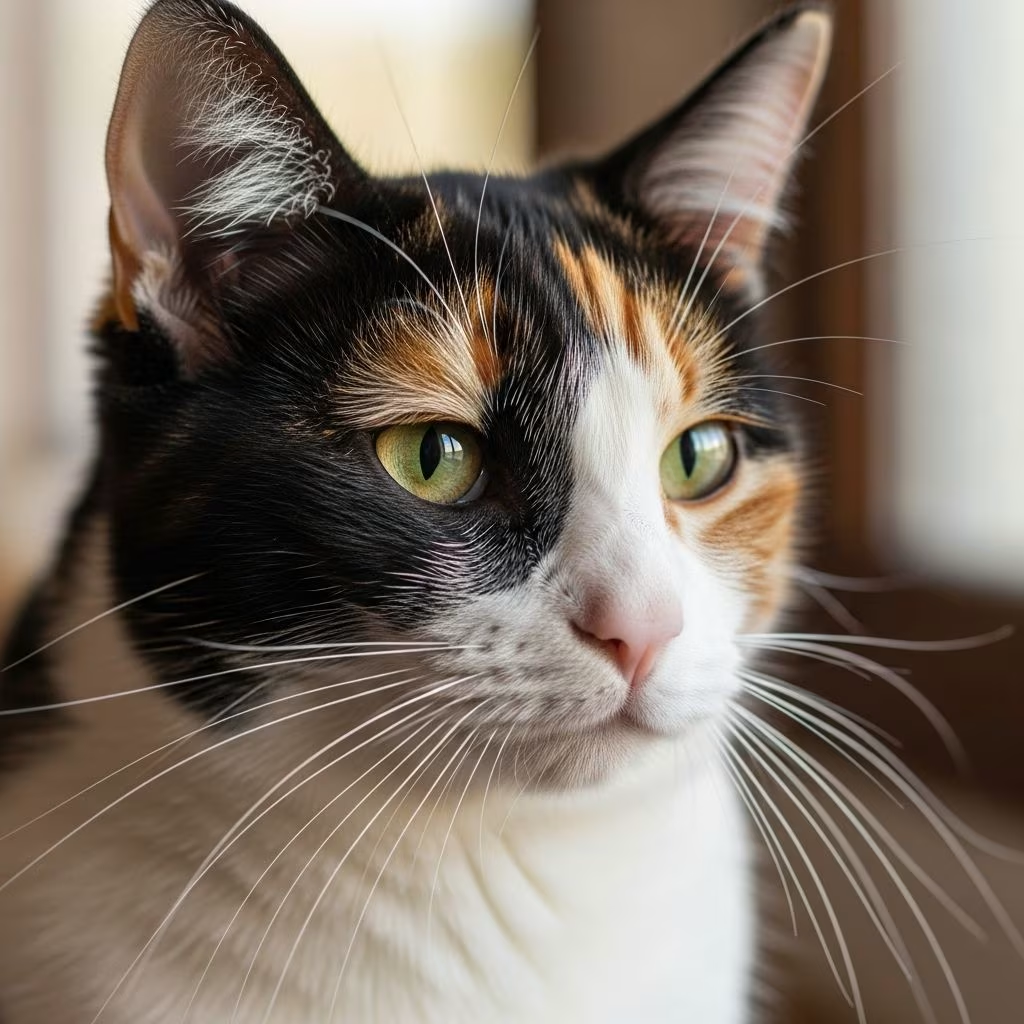
The notion that every cat sports white whiskers is a common misconception. In reality, whisker color in cats varies widely due to genetics, breed standards, and individual pigmentation patterns. While many cats do have light or white vibrissae, dark, black, or mixed shades are equally normal and functional.
The Biology of Feline Whiskers
Whiskers, scientifically termed vibrissae, are specialized hairs embedded deeply in hair follicles connected to nerve endings. These sensory tools help cats navigate tight spaces, detect air currents, and assess their surroundings, especially in low light. Unlike regular fur, whiskers grow from distinct follicles and serve as environmental radars matching the cat’s body width.
Coloration arises from melanin pigments: eumelanin for black/brown tones and pheomelanin for red/yellow hues. High eumelanin levels result in dark whiskers, common in black-coated cats, while lower levels produce white or light ones.
Genetic Foundations of Whisker Pigmentation
Cat coat genetics directly dictate whisker color. The agouti gene (ASIP) influences banding patterns on hairs, including whiskers, while the brown locus (TYRP1) controls black versus brown eumelanin. Sex-linked orange genes (O) and inhibitors like silver (I) further modify shades.
For instance, recessive black (a/a) cats express solid eumelanin across fur and whiskers, yielding black vibrissae. Tabbies with agouti (A/-) may show lighter, banded whiskers. The table below summarizes key genetic loci:
| Gene | Locus | Effect on Whiskers |
|---|---|---|
| ASIP | Agouti | Banding; light whiskers in agouti cats |
| TYRP1 | Brown | Black (B) vs. brown/chocolate (b) |
| I | Inhibitor | Silver inhibits pigment for white effect |
| O | Orange | Red tones in compatible genotypes |
These genes ensure whisker color aligns with overall coat, debunking uniform white whisker myths.
Why Some Cats Have Dark or Black Whiskers
Black whiskers stem from elevated eumelanin in follicles, prevalent in solid black, smoke, or bicolor cats. Domestic shorthairs with black fur routinely exhibit matching dark vibrissae, as do breeds like British Shorthair.
It’s normal for whiskers to differ from body fur in partially pigmented cats. Tuxedo patterns often yield mixed black and white whiskers due to patchy melanin.
Breed-Specific Whisker Traits
Breeds adhere to genetic standards influencing vibrissae:
- British Shorthair: Black variants feature uniform black whiskers complementing dense fur.
- Devon Rex: Solid black or chocolate coats pair with dark vibrissae.
- Scottish Fold: Whisker shade mirrors coat; black ones are dark.
- Manx: Black-coated individuals show corresponding pigmentation.
- Siamese (TYR locus): Colorpoints have creamier whiskers, darkening at points.
White or dominant white cats (KIT gene) may have pale whiskers, but hidden dark genes can produce black ones.
Mixed and Two-Toned Whisker Variations
Many cats display whisker mosaics—black on one side, white on another, or two-toned singles. This arises from follicle-specific melanin variance during growth cycles. Kittens often start with uniform light whiskers that diversify.
Such patterns are harmless, seen in tabbies, bicolors, and mixed breeds. They reflect genetic mosaicism akin to calico fur.
Age-Related Changes in Whisker Color
Whiskers evolve over time. Kittens’ soft, pale vibrissae often darken with maturity as melanin ramps up. Seniors may gray or lighten, mirroring human hair, though not universally.
Abrupt shifts—like sudden whitening patches or darkening—warrant monitoring. Brittle or falling whiskers signal nutrition gaps (e.g., biotin deficiency) or illness, not color alone.
Health Indicators: When Whisker Color Signals Trouble
While color variations are benign, whisker health matters. Dull, sparse, or discolored growth can indicate:
- Malnutrition: Lacking protein, omega-3s, or B-vitamins dulls vibrissae.
- Skin issues: Allergies or infections cause breakage.
- Hormonal shifts: Thyroid problems alter growth.
Consult a vet if whiskers shed excessively or change suddenly alongside lethargy or fur loss.
Caring for Your Cat’s Whiskers
Support whisker vitality with balanced nutrition: high-quality protein, fatty acids, and supplements if needed. Avoid trimming vibrissae—they regrow but impair senses temporarily. Provide wide bowls to prevent whisker fatigue.
Groom gently; whiskers aid self-cleaning. In multi-cat homes, ensure space to avoid whisker stress.
FAQs
Can white cats have black whiskers?
Yes, especially with underlying dark genes masked by white spotting (KIT). Partial albinism or mixed heritage explains this.
Why do black cats have black whiskers?
High eumelanin production colors entire coat, including vibrissae, genetically.
Do whiskers always match fur color?
No; inhibitors or agouti can lighten whiskers relative to fur.
Is whisker color change normal in aging cats?
Yes, gradual graying or darkening occurs, but sudden changes need vet checks.
Are two-toned whiskers a health concern?
Typically not; they’re genetic. Monitor for accompanying symptoms.
References
- Why Does My Cat Have Black Whiskers? Explained — Alibaba Cat Lovers. Accessed 2026. https://catlovers.alibaba.com/question/why-does-my-cat-have-black-whiskers
- Whisker Secrets of Cats — Cat Wisdom 101. Accessed 2026. https://catwisdom101.com/whisker-secrets-of-cats/
- Cat coat genetics — Wikipedia (references primary genetic studies). 2026-01-29. https://en.wikipedia.org/wiki/Cat_coat_genetics
- Why does my kitten have two-toned whiskers? — Dial a Vet. Accessed 2026. https://www.dialavet.com/vet-answers/kitten-two-toned-whiskers-concern-76861
- 5 Fun Facts About Your Cat’s Whiskers — Peak City Puppy. Accessed 2026. https://peakcitypuppy.com/5-fun-facts-about-your-cats-whiskers/



