

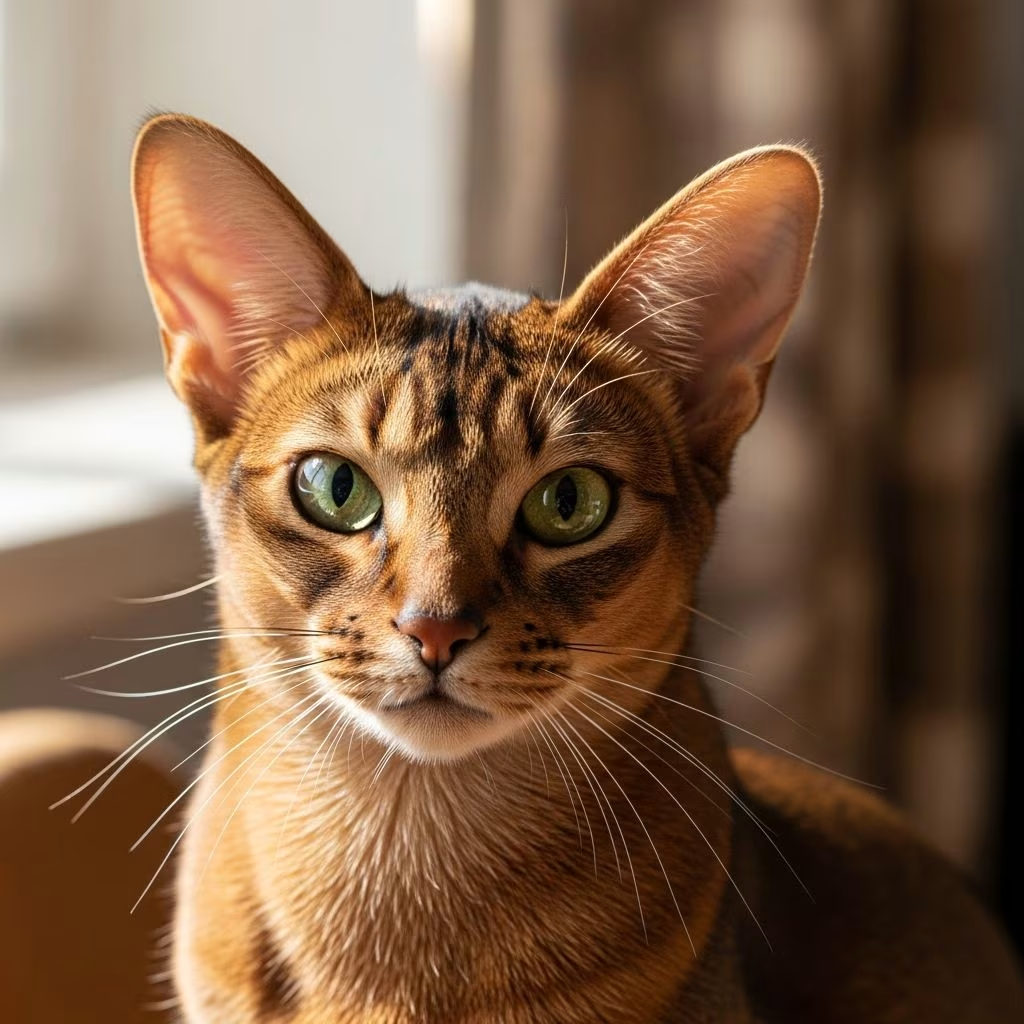
Do Abyssinian Cats Shed a Lot? Vet-Reviewed Care Facts
When considering bringing an Abyssinian cat into your home, one of the first questions potential owners ask is about shedding. The good news is that Abyssinian cats do not shed excessively compared to other cat breeds. Their short, dense coat requires minimal grooming effort, making them an excellent choice for individuals who want a beautiful feline companion without excessive hair around their home.
Understanding Abyssinian Cat Shedding
Abyssinian cats possess a distinctive short, thick coat with a beautiful ticked pattern that gives them their characteristic “wild” appearance. While they do shed naturally, their shedding is considered moderate and seasonal rather than excessive. Most shedding occurs during seasonal transitions when they shed their coat to prepare for warmer or cooler months.
To keep your Abyssinian’s coat in excellent condition and minimize shedding, brushing them approximately once a week is typically sufficient. This regular grooming routine helps remove loose hair before it ends up on your furniture, clothing, and floors. During peak shedding seasons, you may want to increase brushing frequency to manage the additional hair loss more effectively.
Grooming Requirements for Abyssinian Cats
Abyssinians are considered low-maintenance cats when it comes to grooming needs. Their short coat doesn’t mat or tangle like longer-haired breeds, making them ideal for busy cat owners who still want a well-groomed, beautiful pet.
Weekly Brushing Routine
Establishing a consistent weekly brushing schedule is the most effective way to control shedding in Abyssinian cats. A simple soft-bristled brush or grooming mitt works well for their fine coat texture. This regular maintenance not only reduces loose hair but also:
- Keeps their coat shiny and healthy
- Allows you to check for skin abnormalities or parasites
- Strengthens the bond between you and your cat
- Reduces allergen accumulation on furniture
- Prevents matting and tangling
Important Note on Hypoallergenic Status
While Abyssinian cats shed less than many other breeds, it’s crucial to understand that they are not hypoallergenic. In fact, there is no such thing as a truly hypoallergenic cat breed. Cat allergies are caused by proteins (allergens) produced by all cats, regardless of breed. These allergens are primarily found on cat skin and in their saliva, then accumulate on fur and skin before being released into the environment as cats shed dander and hair.
Even though Abyssinians shed minimally, they can still trigger allergy symptoms in sensitive individuals, including itchy and runny eyes, sneezing, nasal congestion, and other allergic reactions. If you suffer from cat allergies, it’s important to consult with your doctor before bringing an Abyssinian cat home.
Three Tips to Help Control Pet Allergies
If you’re determined to welcome an Abyssinian cat into your home despite having cat allergies, several strategies can help minimize your symptoms:
1. Restrict Their Access to Certain Rooms
Create allergen-free zones in your home by restricting your cat’s access to specific areas, particularly your bedroom. Since allergen levels are higher in areas where your cat spends significant time, keeping at least one room completely or nearly free of your cat provides a safe refuge where you can minimize allergen exposure. This dedicated space becomes your personal haven where you can sleep comfortably without triggering allergy symptoms.
2. Vacuum and Clean Often
Regular cleaning is essential when managing cat allergies. Even though Abyssinians shed minimally, they still shed some hair and dander that can trigger symptoms. Establishing a regular vacuuming schedule helps remove accumulated hair and allergens from floors and furniture. If possible, have someone else handle vacuuming and cleaning duties. If you must do this yourself, wear a disposable mask and wash your hands thoroughly afterward, as well as immediately after petting your cat. Using a vacuum with a HEPA filter provides additional protection by capturing microscopic allergen particles.
3. Bathe Your Cat Regularly
Bathing your Abyssinian cat can temporarily reduce the concentration of allergens on their skin and coat. While this may not be easy if your cat dislikes water, it’s worth attempting. Aim for a weekly or biweekly bathing schedule and consult with your veterinarian about the best bathing techniques for your specific cat. Some cats respond better to lukewarm water and gentle handling, making the experience less stressful for both you and your feline friend.
Additional Allergy Management Strategies
Beyond the three primary tips, several other measures can further reduce allergen levels in your home:
- Spay or neuter your cat: This procedure reduces allergen production
- Avoid multiple cats: Limiting your household to one cat decreases the overall allergen burden
- Install HEPA filters: Use air purifiers with HEPA filters in rooms where your cat spends time, and consider installing one in your household heating and cooling system
- Use allergen-reducing fabrics: Choose washable furniture covers and curtains that can be frequently laundered
- Maintain proper ventilation: Good air circulation helps reduce allergen concentration
Three Fun Facts About Abyssinian Cats
1. They Have Lots of Energy
Abyssinian cats are famous for their seemingly boundless energy. Often referred to as the “energizer bunnies” of the cat world, these athletic felines are constantly seeking activities and stimulation. They’re always looking for something to do, whether climbing cat trees, chasing toys, or exploring their environment. If you’re looking for a low-energy, lap cat that enjoys lounging all day, the Abyssinian is not the right choice. Instead, they thrive in homes where they receive plenty of interactive playtime and mental stimulation. Providing wand toys, puzzle feeders, and vertical spaces like floor-to-ceiling cat trees helps burn off their excess energy and keeps them entertained.
2. They Can Be Goofballs
With quirky and outgoing personalities, Abyssinian cats often go above and beyond to capture your attention. Their extreme curiosity combined with their playful nature makes them endlessly entertaining. These cats love figuring out how things work and aren’t afraid to investigate every corner of your home. You can expect plenty of amusing moments when living with an Abyssinian, from them opening cabinet doors to perching on your shoulders. Their goofball antics and expressive personalities make them beloved companions who provide endless amusement and joy to their families.
3. They’re Very Smart
Abyssinian cats are highly intelligent and remarkably trainable compared to most cat breeds. They can learn to perform impressive tricks, walk on a leash, and even run agility courses. These smart cats study human actions closely and learn from what they observe. They can figure out how to turn on light switches and open cabinet doors, so it’s important to keep breakables and dangerous items out of their reach. When training Abyssinians, remember that they are reward-driven, so keep plenty of treats on hand to motivate them. Their intelligence makes them ideal candidates for interactive play sessions and mental enrichment activities.
Physical Characteristics of Abyssinian Cats
Understanding the physical traits of Abyssinian cats helps explain their shedding patterns and grooming needs. These cats have a lithe, muscular build with an overall impression of being colorful, regal, and medium-sized. Their most distinctive feature is their ticked coat, where individual hairs are banded with multiple colors, creating the characteristic “wild” appearance.
The top four coat colors include ruddy, red, blue, and fawn. The dense, resilient coat glows with color due to these ticking bands. While their short coat requires less maintenance than long-haired breeds, it still needs regular attention to remain healthy and beautiful. Their athletic build reflects their high activity level and need for regular exercise and stimulation.
Health Considerations for Abyssinian Cats
Like all cat breeds, Abyssinians are prone to certain health issues. Understanding these potential concerns helps you provide better care and catch problems early:
- Gingivitis: Dental disease is common in Abyssinians, making good dental hygiene crucial
- Renal Amyloidosis: This genetic condition affects the kidneys and leads to accumulation of amyloid proteins, potentially resulting in kidney failure. Symptoms include excessive thirst, frequent urination, and weight loss
- Progressive Retinal Atrophy (PRA): This eye condition can lead to vision problems
Regular veterinary check-ups, a balanced diet, and good dental hygiene are crucial for keeping your Abyssinian healthy and potentially detecting these conditions early.
Behavioral Traits and Requirements
Abyssinians are demanding, affectionate cats that require substantial interaction from their owners. They easily become bored without proper mental and physical stimulation, which can lead to destructive behaviors. Ensure your home is equipped with plenty of toys, scratching posts, climbing trees, and interactive opportunities to keep your Abyssinian engaged and happy.
Frequently Asked Questions (FAQs)
Q: Do Abyssinian cats shed more during certain seasons?
A: Yes, Abyssinian cats shed more during seasonal transitions, typically in spring and fall when they’re preparing for warmer or cooler months. Increasing brushing frequency during these times helps manage excess shedding.
Q: How often should I brush my Abyssinian cat?
A: Brush your Abyssinian cat at least once a week to keep their coat healthy and minimize shedding. During peak shedding seasons, consider brushing two to three times per week.
Q: Are Abyssinian cats hypoallergenic?
A: No, Abyssinian cats are not hypoallergenic. No cat breed is truly hypoallergenic because all cats produce allergens. However, their minimal shedding makes them a better choice than high-shedding breeds for people with mild allergies.
Q: What’s the best way to bathe an Abyssinian cat?
A: Use lukewarm water and consult your veterinarian for the best bathing techniques. Most cats prefer quick, gentle baths. Aim for weekly or biweekly bathing if you’re managing allergies, but adjust based on your cat’s tolerance.
Q: Can Abyssinian cats be trained?
A: Yes, Abyssinian cats are highly intelligent and trainable. They can learn tricks, walk on leashes, and even run agility courses. Use reward-based training with treats for best results.
Q: How much exercise do Abyssinian cats need?
A: Abyssinian cats have high energy levels and need substantial daily exercise and mental stimulation. Provide interactive toys, climbing structures, and playtime to prevent boredom and destructive behaviors.
Q: Are Abyssinian cats good for apartment living?
A: While Abyssinians can adapt to apartment living, they require significant space for climbing and playing. Ensure your apartment has vertical spaces like cat trees and plenty of interactive toys to keep them entertained.
Final Thoughts
While Abyssinian cats don’t shed excessively and are considered low-maintenance compared to many other breeds, they are not a solution for people with cat allergies. Their minimal shedding combined with weekly grooming makes them an excellent choice for individuals who want a beautiful, active companion without excessive hair management. However, if you suffer from cat allergies, implementing the allergen-control strategies discussed in this guide and consulting with your doctor before bringing an Abyssinian cat home is highly recommended. With proper care, grooming, and attention to allergy management, Abyssinian cats can be wonderful additions to the right household.
References
- Do Abyssinian Cats Shed a Lot? Vet-Reviewed Care Facts — Catster. 2024. https://www.catster.com/cat-health-care/do-abyssinian-cats-shed-a-lot/
- Your Ultimate Guide to the Abyssinian Cat — PD Insurance. 2024. https://www.pdinsurance.co.nz/blogs/abyssinian-cat-nz-your-ultimate-guide/
- The Vet’s Guide to Abyssinians: Facts, Care, and Training Tips — Vets Love Pets. 2024. https://vetslovepets.com.au/blogs/cat/abyssinian-breed-guide
- Abyssinian Cat Care: Grooming, Diet & Health Guide — Purebred Kitties. 2024. https://purebredkitties.com/blogs/abyssinian-cat/abyssinian-cat-care-guide
- Abyssinian — VCA Animal Hospitals. 2024. https://vcahospitals.com/know-your-pet/cat-breeds/abyssinian
- Abyssinian — The Cat Fanciers’ Association. https://cfa.org/breed/abyssinian/



