

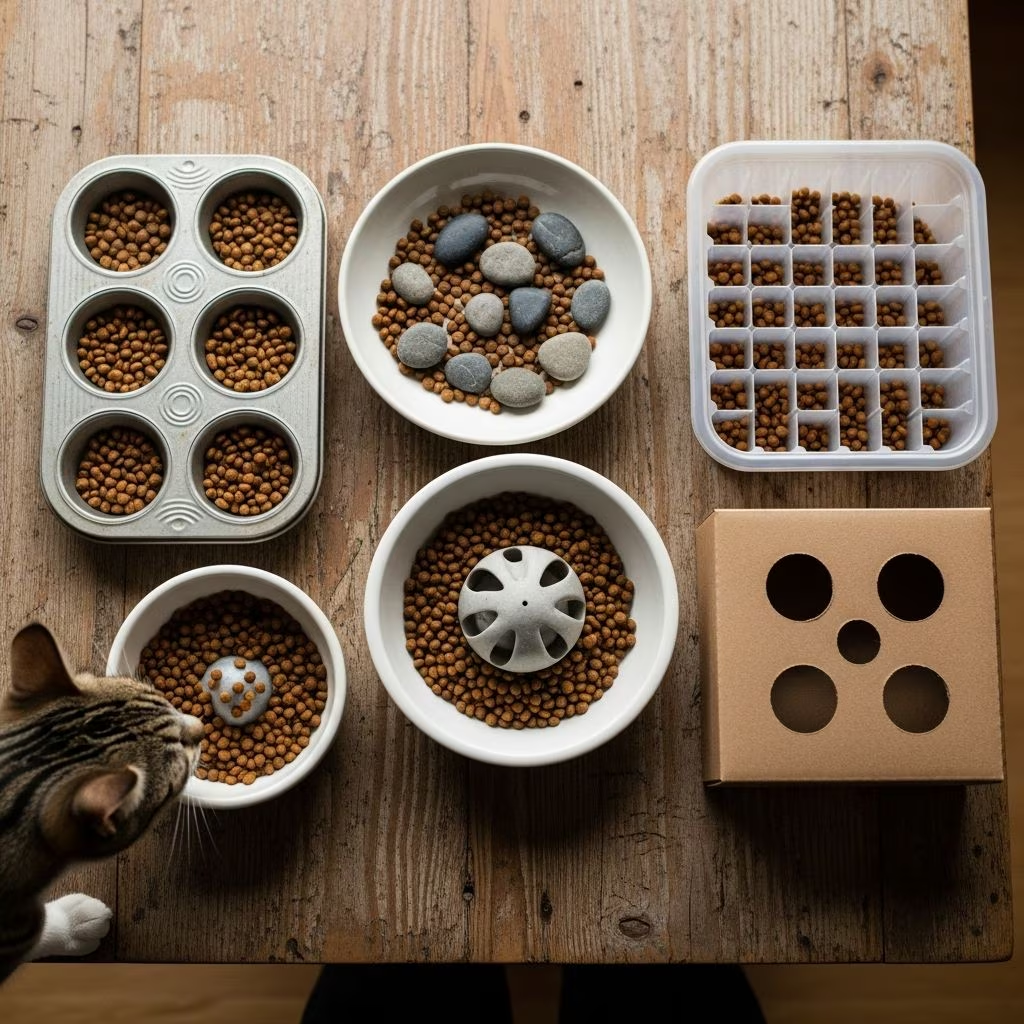
Fast-eating cats risk vomiting, indigestion, and obesity from gulping food without chewing. DIY slow feed cat bowls offer an affordable solution using household items to slow meals, mimic natural foraging, and provide mental stimulation. These vet-approved designs help prevent health issues while enriching your cat’s routine.
Why Do Cats Eat So Fast?
Cats in multi-pet homes or with food scarcity history often eat rapidly due to competition or instinct. This leads to regurgitation, bloating, and false hunger signals as meals end too quickly. Slow feeders extend eating time to 10-30 minutes, improving digestion and satiety. They promote natural behaviors like pawing and licking, reducing stress and boredom.
Benefits of Slow Feed Cat Bowls
- Prevents Vomiting: Slows intake to allow proper chewing and stomach processing.
- Aids Digestion: Reduces gulping air, minimizing bloat and indigestion.
- Weight Management: Cats feel fuller longer, curbing overeating.
- Mental Enrichment: Puzzle elements stimulate hunting instincts for happier cats.
- Cost-Effective: DIY versions save money over commercial $20+ bowls.
5 DIY Slow Feed Cat Bowl Ideas
1. Toys in a Bowl Slow Feeder
This beginner-friendly DIY uses a large bowl and small dog toys to create barriers. Ideal for kids to assemble, it forces cats to fish food out, extending meals from 3 minutes to 10+.
Materials:
- Large cat food bowl (plastic, ceramic, or stainless steel)
- 3-5 small rubber/plastic dog toys (textured, cat-safe, non-toxic)
- Cat kibble
Tools: None
Difficulty: Very Easy (5 minutes)
Steps:
- Place toys randomly in the large bowl, ensuring gaps for food.
- Add dry kibble around toys.
- Observe your cat paw and nudge toys to access food.
Cats adapt quickly without frustration. Clean by removing toys and washing the bowl. Toys add texture variety, mimicking prey. Suitable for all ages; supervise initially.
2. Upside-Down Bowl Slow Feeder
Stack a small inverted bowl inside a larger one to form a central barrier. Metal bowls clean easily; size difference slows eating effectively.
| Materials | Tools | Difficulty |
|---|---|---|
| Large flat-bottom bowl Smaller bowl | None | Beginner |
Steps:
- Flip small bowl upside down inside large bowl.
- Ensure 1-2 inch gap around edges.
- Fill outer ring with kibble or wet food.
Your cat maneuvers around the island, slowing intake. If gaps are too wide, swap for closer-sized bowls. Dishwasher-safe if bowls allow. Great for shallow eaters.
3. Muffin Tin Puzzle Feeder
Repurpose a muffin tin for portioned foraging. Cats paw kibble from cups, extending meals and teaching patience.
Materials:
- Standard 6- or 12-cup muffin tin (silicone or metal, non-toxic)
- Tennis balls or ping pong balls (1 per 2 cups)
- Kibble or treats
Tools: None
Difficulty: Easy
Steps:
- Fill each muffin cup 1/3 with kibble.
- Partially cover some cups with balls.
- Place on a mat to contain spills.
Progress by adding more covers or smaller treats. Provides multiple ‘prey’ spots. Wash thoroughly after use. Ideal for interactive play.
4. Toilet Paper Roll Dispenser
Cut rolls into segments for a customizable maze. Eco-friendly and adjustable for skill level.
Materials:
- 4-6 empty toilet paper rolls
- Shallow tray or box lid
- Scissors
- Kibble
Tools: Scissors
Difficulty: Easy
Steps:
Reconfigure daily for novelty. Biodegradable and free. Builds problem-solving skills.
5. Pipe Insulation Puzzle Bowl
For advanced DIYers, foam pipe insulation creates ridges like commercial feeders. Durable and moldable.
Materials:
- 1/2-inch pipe insulation foam tube (6 ft)
- Shallow plastic bowl or lid
- Utility knife
- Hot glue gun (optional)
Tools: Utility knife, glue gun
Difficulty: Intermediate (30 minutes)
Steps:
- Cut insulation into 2-3 inch segments.
- Slit lengthwise and arrange in bowl to form mazes/ridges.
- Glue if needed for stability.
- Add food and serve.
Mimics vet-recommended ridge designs. Cat-safe, inexpensive ($5). Trim for short-muzzled breeds.
How to Introduce Slow Feeders to Your Cat
Transition gradually: Mix 25% slow feeder food with regular for 3 days, increasing to 100%. Reward calm eating. If frustration occurs, simplify design or hand-feed initially. Monitor for 1 week; adjust as needed.
Tips for Success
- Use dry kibble first; wet food for advanced users.
- Choose wide, shallow bowls to avoid whisker fatigue.
- Supervise first meals to ensure adaptation.
- Clean daily to prevent bacteria.
- Rotate designs for continued interest.
Potential Drawbacks and Solutions
| Issue | Solution |
|---|---|
| Frustration/Abandonment | Start simple; use high-value food. |
| Too Easy/Hard | Adjust obstacles or toy size. |
| Messy Spills | Use tray/mat underneath. |
| Cleaning Difficulty | Opt for dishwasher-safe materials. |
Frequently Asked Questions
Are DIY slow feeders safe for cats?
Yes, when using non-toxic, stable materials. Avoid small parts that could be swallowed. Vet-approved designs like these prioritize safety.
Will my cat use a slow feeder?
Most adapt in 1-7 days. Hungry cats persist; offer during prime mealtimes.
Can slow feeders help overweight cats?
Absolutely, by extending meals and reducing intake speed for better portion control.
What if my cat has a short muzzle?
Choose shallow ridges; test Messy Cats-style wide designs from pipe insulation.
DIY vs. Commercial: Which is better?
DIY saves money and customizes; commercial offers durability. Start DIY for testing.
References
- Slow Feeders for Cats: Pros and Cons — Catster (Veterinarian Verified). 2025. https://www.catster.com/lifestyle/are-slow-feeders-good-for-cats/
- Best Slow Feed Cat Bowls 2026 Reviews — Catster (Vet-Verified). 2026-01-01. https://www.catster.com/nutrition/best-slow-feed-cat-bowls/
- Messy Mutts Messy Cats Interactive Slow Feeder Review — Catster. 2026. https://www.catster.com/nutrition/messy-mutts-messy-cats-interactive-slow-feeder-review/
- ASPCA: Preventing Obesity in Cats — ASPCA.org. 2024-06-15. https://www.aspca.org/pet-care/cat-care/cat-nutrition-tips
- AVMA: Feline Feeding Guidelines — AVMA (American Veterinary Medical Association). 2025-03-20. https://www.avma.org/resources-tools/pet-owners/petcare/feline-nutrition



