DIY Sifting Litter Box Liners for Cats
Discover simple DIY methods to create efficient sifting liners for cat litter boxes, simplifying cleanup and enhancing feline hygiene at home.
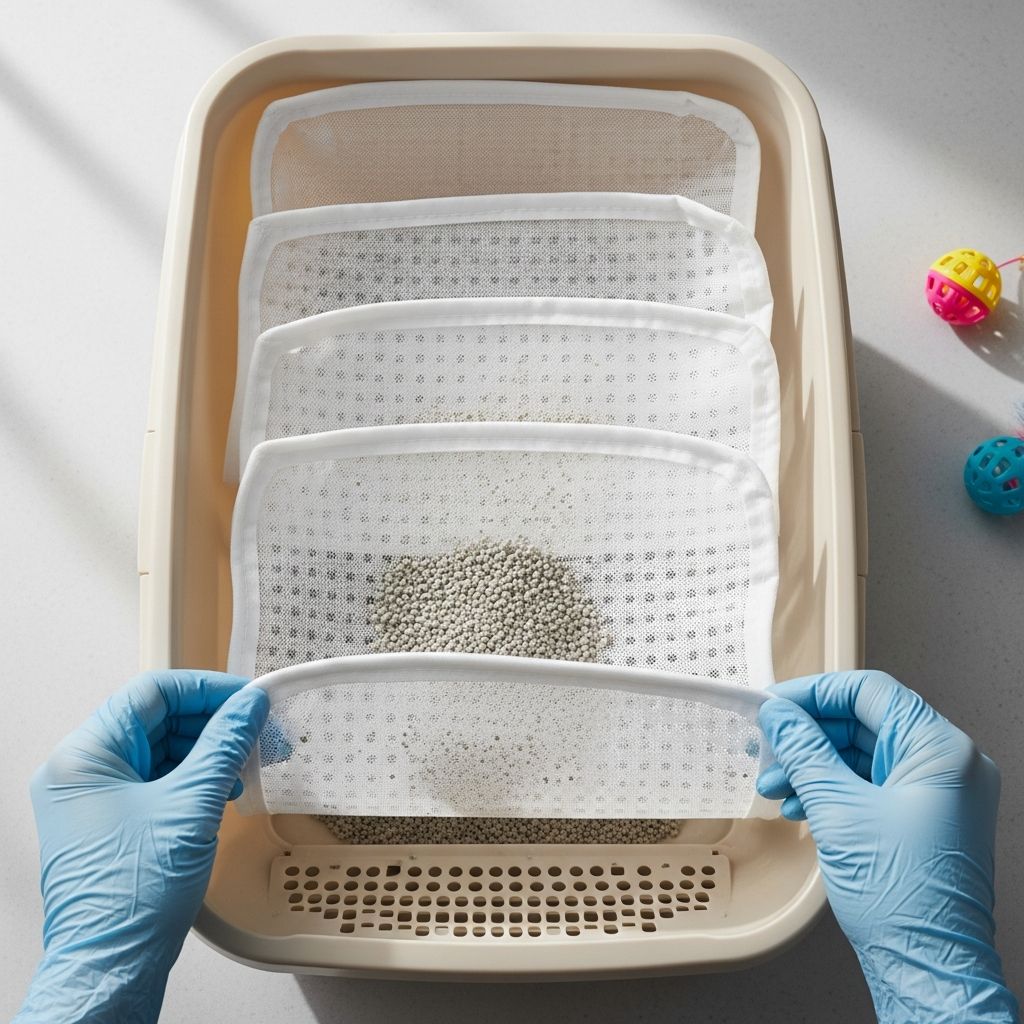
Creating your own sifting litter box liners offers cat owners a practical way to manage waste more effectively. These custom setups allow clean litter to sift through while trapping soiled clumps, minimizing effort and litter usage. Ideal for busy households or multi-cat environments, this approach promotes better hygiene and saves money over time.
Why Choose Sifting Liners for Litter Boxes
Sifting liners transform standard litter boxes into efficient waste-separation systems. By layering materials with varying mesh sizes, you enable fine, unused litter to fall through to a base layer, leaving waste isolated for easy disposal. This method reduces the frequency of full litter changes and curbs odors that build up in traditional setups.
Benefits include less physical labor, as you avoid scooping every clump manually. It also cuts down on litter waste, making it environmentally friendlier. Cats appreciate the consistently fresh feel underfoot, which encourages consistent use and prevents accidents elsewhere in the home.
Gathering Materials for Your DIY Project
Assembling the right supplies keeps the process straightforward and affordable. Focus on durable, cat-safe items that withstand moisture and scratching.
- Plastic storage bins: Two matching rectangular bins, one slightly smaller to fit inside the other as the sifter.
- Hardware cloth or mesh screening: Galvanized wire mesh with 1/4-inch to 1/2-inch holes for optimal sifting.
- Utility knife or wire cutters: For precise cutting to size.
- Duct tape or zip ties: To secure edges and reinforce the frame.
- Clumping cat litter: Unscented variety preferred for most felines.
These items are available at hardware stores or online, often costing under $30 total for a setup serving multiple cats.
Step-by-Step Construction Guide
Building your sifting system takes about 30 minutes with basic tools. Ensure all cuts are smooth to avoid sharp edges that could harm your cat.
- Measure the litter box base: Select bins that fit your existing litter box dimensions. The outer bin holds sifted litter; the inner one sifts.
- Cut the mesh insert: Trace the inner bin’s bottom onto the hardware cloth and cut a piece 2 inches larger on all sides for overlap.
- Form the sifting tray: Bend the excess mesh up along the bin’s sides, creating low walls. Secure with tape or ties, trimming any overhang.
- Test fit: Place the sifting tray inside the outer bin. It should sit elevated, allowing litter to pass underneath.
- Line if desired: Add plastic sheeting to the outer bin’s bottom for easier full dumps during deep cleans.
Once assembled, fill the sifting tray with 3-4 inches of clumping litter, matching depths recommended for effective clumping.
Daily Operation and Sifting Routine
Using the system daily is simple and quick. After meals or playtime, when your cat has used the box:
- Lift the inner sifting tray by the handles (add rope handles for ease if needed).
- Shake gently over the outer bin; clean litter falls through, waste stays on top.
- Empty waste into a sealed bag and dispose outdoors.
- Return the tray, adding fresh litter only to top up as needed.
This process takes seconds per use, far less than traditional scooping. For multi-cat homes, sift 1-2 times daily to maintain freshness.
Optimizing Litter Box Setup for Success
Placement and maintenance amplify the liners’ effectiveness. Position boxes in quiet, accessible spots away from food and noise sources. Provide one box per cat plus one extra, using unscented clumping litter at 3-4 inches deep.
| Litter Type | Recommended Depth | Sifting Frequency |
|---|---|---|
| Clumping Clay | 3-4 inches | Daily |
| Non-Clumping | 2-3 inches | Every 2 days |
| Pellet | 2 inches | Bi-daily |
Scoop or sift remnants daily, and perform a full dump every 2-4 weeks, washing bins with mild soap and hot water.
Common Challenges and Fixes
Even reliable systems face hiccups. If litter tracks excessively, place a mat underneath and use low-dust formulas. For odor persistence, sift more often and ensure complete waste removal.
- Cat avoidance: Transition slowly by mixing old litter with new in the sifter.
- Mesh clogging: Use larger hole sizes or pre-rinse trays weekly.
- Structural wear: Reinforce with extra mesh layers; replace annually.
Monitor your cat’s preferences—some favor deeper litter, so adjust depths from 1-4 inches accordingly.
Advanced Variations for Multi-Cat Homes
Scale up by creating dual-layer sifters or stacking systems. For larger breeds, use bigger bins with reinforced mesh. Integrate deodorizers sparingly, as cats prefer unscented environments.
Experiment with biodegradable liners under the mesh for eco-friendly full changes. These tweaks extend usability, especially with 2+ cats sharing spaces.
Health Benefits for Cats and Owners
Clean litter environments prevent urinary issues and stress-related behaviors. Regular sifting ensures prompt waste removal, reducing bacteria buildup. Owners gain time savings, with studies noting up to 70% less litter use in sifting setups.
Frequently Asked Questions
What litter works best with sifting liners?
Clumping litters excel, forming solid masses that stay atop the mesh. Avoid dusty or non-clumping types to prevent sticking.
How often should I fully replace the litter?
Every 2-4 weeks for clumping, more frequently for others, based on cat count and usage.
Can kittens use sifting systems?
Yes, after 8 weeks; start with finer mesh to match smaller eliminations.
Is this cheaper than commercial liners?
Yes, DIY costs pennies per use versus $1+ for disposables.
What if my cat scratches the mesh?
Opt for heavy-gauge hardware cloth; cover edges with tape.
Maintenance Schedule Overview
| Task | Frequency | Tips |
|---|---|---|
| Sift waste | 1-2x daily | Wear gloves; shake outdoors if odorous. |
| Top up litter | As needed | Maintain 3-inch depth. |
| Deep clean bins | Every 2 weeks | Hot water, mild soap; air dry fully. |
| Inspect mesh | Monthly | Repair tears promptly. |
References
- Care & Husbandry: The Keys to Litter Box Care & Maintenance — GeniusVets. 2023. https://www.geniusvets.com/pet-care/learn/cats/medical-resources/care-husbandry-keys-litter-box-care-maintenance
- Cat Litter Box Tips – Do’s & Don’ts of Litter — Purina. 2024. https://www.purina.com/articles/cat/behavior/litter/cat-litter-box-tips
- General Litter Box Considerations — American Animal Hospital Association (AAHA). 2021-01-01. https://www.aaha.org/resources/2021-aaha-aafp-feline-life-stage-guidelines/general-litter-box-considerations/
- Cat Litter Box Tips: Ultimate Guide for Pet Parents — Litter-Robot. 2025. https://www.litter-robot.com/blog/cat-litter-box-tips/
- Everything You Should Know About Litter Boxes — Cat Friendly Homes. 2024. https://catfriendly.com/everything-you-should-know-about-litter-boxes/
Similar Articles








Read full bio of Sneha Tete