

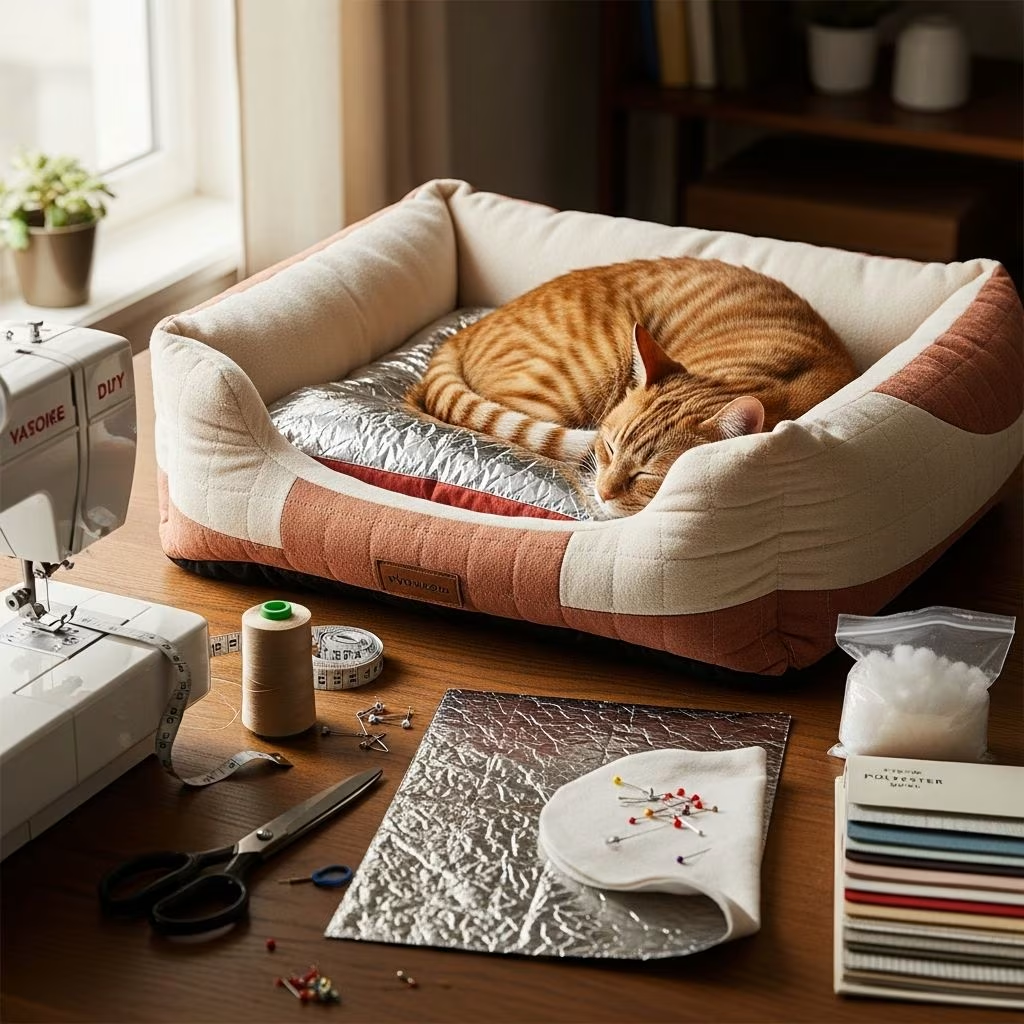
Cats spend a significant portion of their lives sleeping, often seeking out the warmest spots in the house. Creating a DIY self-warming cat bed allows you to provide a personalized, heat-retaining haven using simple materials that reflect or trap your cat’s body heat. These projects combine basic sewing, upcycling, and insulating layers like mylar or rice for effective warmth without electricity.
Why Cats Need Self-Warming Beds
Felines naturally regulate their body temperature around 100-102°F, making them prone to seeking heat sources, especially in cooler weather. Self-warming beds use reflective materials such as mylar emergency blankets or specialized fabrics that bounce back radiated body heat, mimicking the effect of heated pads safely. This not only promotes better sleep but also supports recovery for senior cats or kittens, as warmth aids circulation and comfort.
Commercial options exist, like those with dual-layer fabrics that insulate and radiate heat, but DIY versions are cost-effective, customizable, and avoid potential hazards like cords or chewable plugs. Key benefits include washability, portability, and the ability to incorporate catnip for added appeal.
Essential Materials for Heat-Retaining Layers
Before diving into projects, gather core components for the warming element:
- Mylar or reflective insulation: Cuts heat loss by reflecting body warmth back to the cat.
- Rice-filled packs: Microwaveable for initial warmth, reusable without toxins if unscented.
- Batting or fleece layers: Softens the crinkle of mylar and adds cushioning.
- Fabric scraps: Flannel, sweatshirts, or velour for durability and pet-safe softness.
Tools typically include a sewing machine, scissors, pins, and an iron. Always prioritize pet-safe, non-toxic materials—avoid essential oils or small parts that could be ingested.
Project 1: Simple Mylar-Insulated Mat
This beginner-friendly mat uses an emergency blanket for passive heating, ideal for quick assembly.
Materials
| Item | Quantity |
|---|---|
| Mylar emergency blanket | 1 sheet (cut to 18×22 inches) |
| Quilt batting | 2 layers (20×18 inches each) |
| Soft fabric (minky or flannel) | 1/2 yard |
| Thread, heavy-duty needles | As needed |
Step-by-Step Instructions
- Cut fabric into two 18×22-inch pieces; trim 3 inches from one edge of a second piece for overlap.
- Sew or serge raw edges, fold under 1/2 inch, and topstitch.
- Overlap the trimmed strip by 1 inch to form the back panel; pin securely.
- Layer right sides of front fabric together on the back; sew around all sides, leaving an opening.
- Turn right side out, insert mylar between batting layers, and close the opening.
Result: A crinkle-free pad that retains heat effectively. Test for your cat’s size—scale up for larger breeds.
Project 2: Rice-Heated Cushion Insert
Perfect as an add-on for any bed frame, this provides active warmth via microwave.
Materials
| Item | Quantity |
|---|---|
| Cotton fabric | 1/2 yard |
| White rice (uncooked) | 4-6 cups |
| Sewing pins, machine | As needed |
Steps
- Cut two identical rectangles (e.g., 12×18 inches).
- Sew right sides together on three sides, 1/2-inch seam.
- Turn out, fill halfway with rice, and sew closed.
- Microwave 1-2 minutes for use; reheat as needed.
Slip into bed covers for versatility. Safety note: Overheating can burn; limit to 90 seconds max.
Project 3: Elevated Rope Basket Perch
A hanging design leverages cats’ love for heights and window views.
Materials
| Item | Quantity |
|---|---|
| Wicker basket or tray | 1 medium |
| Jute rope | 20-30 feet |
| Plywood base, shelf brackets | 1 each |
| Screws, drill | As needed |
Assembly
- Secure plywood to brackets with screws for a sturdy frame.
- Wrap basket exterior in jute rope, gluing as you go for texture.
- Attach to wall near a window at cat-chest height.
- Add a mylar mat or rice pack inside.
This perch combines stimulation and warmth, encouraging use.
Project 4: Upcycled Drawer Multi-Level Lounger
Repurpose furniture for a sophisticated, multi-cat setup.
Materials
| Item | Quantity |
|---|---|
| Old wooden drawers (2-3) | Various sizes |
| Spackle, sandpaper, paint | For refinishing |
| 2×1 wood strips | For ledges |
Steps
- Strip paint safely, sand smooth, fill cracks with spackle.
- Attach wood strips as perches with screws.
- Paint or stain; let dry fully.
- Line with fabric-wrapped warming pads.
Advanced but rewarding for households with multiple cats.
Project 5: Crate-turned Cozy Nook
Kid-friendly project using a wooden crate for rustic charm.
Materials
| Item | Quantity |
|---|---|
| Wooden crate | 1 small |
| Furniture legs (4) | Screw-on |
| Wood glue, stain/paint | Optional |
Steps
- Attach legs with glue and hammer.
- Stain or paint exterior; mark designs if desired.
- Pad interior with batting and self-warming inserts.
Elevates the crate off cold floors, enhancing insulation.
Safety Guidelines for DIY Cat Beds
Ensure durability to prevent collapse under cat weight. Use machine-washable covers, removing inserts first. Monitor for chewing—mylar edges should be fully enclosed to avoid ingestion hazards. Introduce gradually; some cats prefer familiar scents, so add used blankets. For multi-cat homes, space beds to reduce territorial stress.
Tips for Maximum Cat Appeal
- Position near sunny windows or radiators for passive boost.
- Incorporate catnip sparingly in removable pouches.
- Customize size: Small for kittens (14×18 inches), large for adults (20×24 inches).
- Combine projects—e.g., rice packs in a hanging perch.
Common Mistakes to Avoid
Skipping batting over mylar leads to annoying crinkles. Overfilling rice packs reduces flexibility. Always test stability, especially for elevated designs. If your cat ignores the bed, warm it first with your hands to transfer scent.
Frequently Asked Questions (FAQs)
How do self-warming beds actually work?
Reflective layers like mylar capture and redirect the cat’s body heat back, creating a warmer microclimate without power.
Are these safe for kittens or seniors?
Yes, when constructed properly—soft materials and no small parts make them ideal for vulnerable cats.
Can I machine wash them?
Outer covers yes; remove rice or mylar inserts and air-dry to preserve heat properties.
What if my cat doesn’t like it?
Place familiar items inside or near their current spot to encourage transition.
How long do they stay warm?
Mylar types retain heat for hours during use; rice packs last 30-60 minutes post-microwave.
References
- 5 DIY Self-Warming Cat Beds to Create at Home — Catster. 2023. https://www.catster.com/lifestyle/diy-self-warming-cat-beds/
- Easy Warming Pet Bed — WeAllSew. 2023. https://weallsew.com/easy-warming-pet-bed/
- Make a Cozy Self-Heating Pet Bed in 15 Minutes — YouTube (Sewing Channel). 2023. https://www.youtube.com/watch?v=IUEK8hrlgs0
- Self-Warming Cat Beds — K&H Pet Products. 2025. https://khpet.com/collections/self-warming-cat-beds
- Make an Easy Self Warming Pet Bed — YouTube (Happy Quilty People). 2025-01-09. https://www.youtube.com/watch?v=AfPe7SIeqLY



