DIY Rice Sock Therapy For Cats: 4 Steps To Soothe And Heal
Discover how to craft simple rice-filled socks for safe heat or cold relief to comfort your cat during recovery or discomfort.
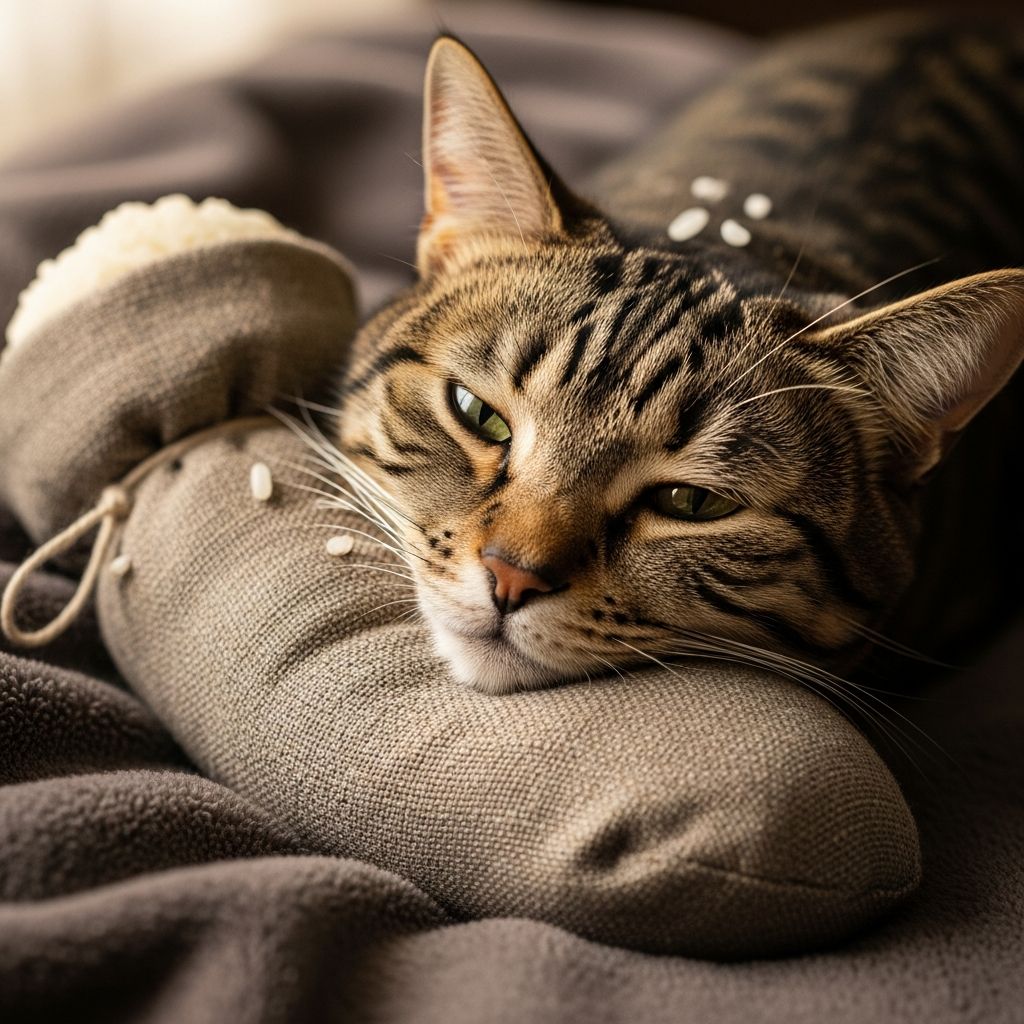
DIY Rice Sock Therapy for Cats
Creating a rice sock offers pet owners a straightforward, cost-effective way to provide therapeutic warmth or cooling to their cats. These homemade packs use uncooked rice encased in a sock, heated in a microwave for soothing heat or chilled for cold relief, helping with issues like surgical recovery, joint stiffness, or minor injuries.
Why Rice Socks Work Wonders for Feline Comfort
Rice socks deliver gentle, moist heat that penetrates deep into muscles, promoting blood flow and easing tension. When cooled, they reduce swelling by constricting blood vessels. Veterinary practices often recommend them for kittens orphaned after surgery or cats with arthritis, as they mimic professional therapy tools without the expense.
Cats, being sensitive to temperature extremes, benefit from this controlled application. The rice retains heat evenly for 20-30 minutes, longer than many commercial pads, and molds to the body’s contours for targeted relief.
Gathering Materials for Your Cat’s Rice Sock
Assemble these basic items, most found in any household:
- Clean, durable socks (tube or crew style, adult size for larger cats; smaller for kittens)
- Uncooked white rice (not instant; 1-3 cups depending on sock size)
- Optional: Dried lavender or chamomile for calming aroma
- Kitchen tools: Funnel, measuring cup, string or ribbon for sealing
Choose breathable cotton socks to avoid trapping moisture. For hygiene, use new or freshly laundered ones.
Step-by-Step Guide to Building a Rice Sock
- Prepare the sock: Select one or two socks. Using two allows the outer one to be washed separately.
- Fill with rice: Insert a funnel into the sock opening. Pour 1.5-2 cups for a standard cat-sized pack, filling halfway to allow flexibility. Shake to settle grains evenly.
- Seal securely: Tie a tight knot at the open end, leaving space for rice movement. Alternatively, stitch closed or use string for adjustability.
- Double up (recommended): Slide the filled sock into a second sock, knot-side first, and tie the outer end.
Test the seal by gently squeezing; rice should shift without leaking. This design ensures durability during repeated use.
Activating Heat Therapy: Safe Microwave Instructions
For warmth: Place in microwave on high for 90 seconds to 2 minutes, depending on wattage (test on low first). Shake to distribute heat, then wrap in a thin towel to prevent burns. Apply to affected area for 15-20 minutes, ensuring your cat can move away freely.
| Microwave Wattage | Heating Time | Notes |
|---|---|---|
| 800-1000W | 1-1.5 min | Check temperature midway |
| 1000-1200W | 1.5-2 min | Shake vigorously after |
| Over 1200W | 45-90 sec | Use shorter bursts |
Always verify warmth against your inner wrist—aim for comfortably toasty, not scalding. Supervise kittens closely.
Cooling Option: Freezer Method for Inflammation
For cold therapy: Seal the sock and freeze for 1-2 hours. Wrap in cloth before use to avoid frostbite. Ideal for sprains or post-injection swelling, apply 10-15 minutes at a time.
Alternate heat and cold cycles for enhanced recovery: 20 minutes heat, 10 minutes off, then 10 minutes cold. Consult a vet for chronic conditions.
Common Uses in Cat Health and Wellness
Post-Surgery Recovery
After spay/neuter or dental work, cats lose body heat under anesthesia. Rice socks restore warmth, preventing hypothermia in kittens and aiding incision healing.
Arthritis and Joint Pain
Older cats with osteoarthritis find relief from heat’s muscle relaxation. Apply to hips or shoulders daily for improved mobility.
Injury and Strain Support
Sprains from jumps or fights benefit from cold initially, then heat. These packs also soothe tummy aches or teething kittens.
General Comfort
Chilly evenings or stress? A warm sock encourages relaxation and bonding during cuddle sessions.
Safety Protocols to Protect Your Cat
- Monitor temperature: Never direct heat; always insulate.
- Supervise use: Especially with chew-prone young cats.
- Avoid additives: Skip essential oils; they can irritate skin.
- Check for spoilage: Discard if rice smells musty after months.
- Vet clearance: Not for open wounds or acute fevers.
Overheating risks burns; underheating wastes time. If your cat avoids the pack, discontinue and seek professional advice.
Enhancements and Creative Variations
Add dried herbs like lavender for aromatherapy, enhancing calm without ingestion risks. For longevity, sew fabric covers in cat-themed prints. Make multiple sizes: small for paws, long for torsos.
Donate to shelters—rescues rely on these for orphan litters and surgical patients.
When to Combine with Professional Vet Care
Rice socks complement but don’t replace veterinary treatment. Use alongside pain meds for fractures or infections. Signs warranting a visit: lethargy, appetite loss, or worsening limp.
Frequently Asked Questions (FAQs)
Can dogs use rice socks too?
Yes, adjust size and rice amount for larger breeds. Same heating rules apply.
How long does heat last?
Typically 20-40 minutes, reheat as needed.
Is brown rice okay?
White rice is preferred; brown may go rancid faster.
What if my cat chews the sock?
Use double socks and supervise; replace if damaged.
Can I reuse indefinitely?
Yes, but refresh rice yearly for freshness.
Maintenance and Storage Tips
Store in a cool, dry place. Outer socks machine-washable; inner ones spot-clean or replace. Label with heating instructions for family sharing.
This DIY empowers cat owners to provide immediate comfort, fostering trust and aiding natural healing processes.
References
- Kitty Care: Making a Special Rice Sock for Your Cat — Alexander Animal Hospital. Accessed 2026. https://www.alexanderanimalhospital.com/kitty-care-making-a-special-rice-sock-for-your-cat/
- Make Heating Pads for Pets — Beach Pets. Accessed 2026. https://beachpets.com/long-beach-wa-shelter/make-heating-pads-for-pets/
- How to make Thera-PET-ic Hot Socks — Ontario SPCA and Humane Society. 2017-01-26. https://www.youtube.com/watch?v=EJ2HcglFJ0c
- How to Make a Heating Pad for Pets — Jacksonville Humane Society. Accessed 2026. https://jaxhumane.org/how-to-make-a-heating-pad-for-pets/
- Rice Sock Project — Arizona Humane Society. Accessed 2026. https://www.azhumane.org/wp-content/uploads/Rice-Sock-Project.pdf
- Homemade Heating Pad — Instructables. Accessed 2026. https://www.instructables.com/Homemade-Heating-Pad/
Similar Articles








Read full bio of medha deb