

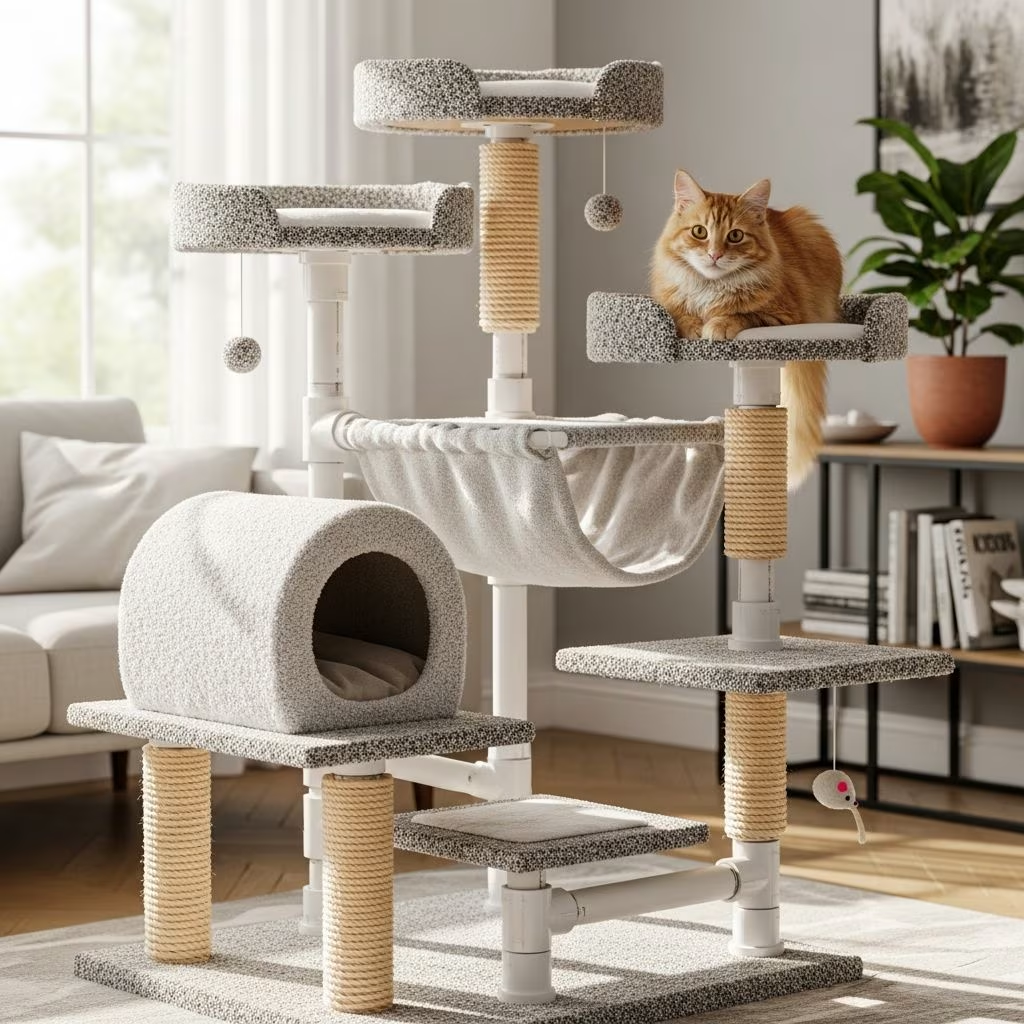
Creating a dedicated play and rest area for your cat using PVC pipes offers an affordable way to enrich their environment. These structures provide vertical space for climbing, perching, and scratching, mimicking natural habitats while fitting into home decor. PVC’s lightweight yet robust nature makes it ideal for DIY projects, allowing customization based on your cat’s size, energy level, and available room space.
Why Choose PVC for Your Cat Tree?
PVC pipes excel in cat tree construction due to their corrosion resistance, ease of cutting, and low cost compared to wood. They support platforms securely when paired with proper connectors and bases, ensuring longevity. Unlike wooden posts, PVC won’t splinter, reducing injury risks, and its smooth surface accepts coverings like rope or fabric seamlessly. Home improvement experts note that PVC assemblies can bear significant weight if anchored correctly, ideal for multi-cat households.
Customization stands out as a key benefit: scale heights from 3 to 6 feet, add hammocks or tunnels, and integrate scratching posts. This adaptability suits apartments or large homes, promoting feline health by encouraging exercise and reducing destructive behaviors like furniture clawing.
Essential Materials and Tools
Gather these items before starting to streamline assembly. Quantities depend on design scale; a basic 4-foot tower for one cat uses about 20 feet of pipe.
- PVC Pipes: 1-inch and 1.5-inch diameter Schedule 40 pipes for posts and ledges (main structure).
- Connectors: Elbows, tees, and crosses in matching sizes for joints.
- Platforms: 3/4-inch plywood or MDF sheets, cut to 12×18 inches per level.
- Coverings: Sisal rope (for scratching), carpet remnants, or fleece fabric.
- Base: 24×24-inch plywood sheet, doubled for stability; optional sand or concrete fill for weight.
- Fasteners: PVC cement, wood screws, staples, construction adhesive.
Tools Needed:
- Hacksaw or PVC pipe cutter for precise cuts.
- Drill with bits for pilot holes and rope wrapping.
- Sander or sandpaper to smooth edges.
- Staple gun for fabric attachment.
- Measuring tape, level, and clamps.
Budget typically ranges from $50-$150, far below commercial options. Source materials from hardware stores; opt for UV-resistant PVC if placing near windows.
Planning Your Custom Design
Start with observation: Note if your cat prefers high perches, enclosed nooks, or horizontal scratches. Sketch a blueprint considering ceiling height (max 7 feet for safety) and floor space. Simple designs feature a central tower with 3-4 platforms; advanced ones include ladders or bridges.
Factor in cat weight (average 10 lbs) and multiply by levels for load calculations—aim for 50 lbs total capacity minimum. Use software like SketchUp for 3D previews or freehand drawings. Include a wide base (at least 2x tower width) to prevent tipping.
| Design Type | Height | Platforms | Best For |
|---|---|---|---|
| Tower | 4 ft | 3 | Small spaces |
| Multi-Level | 6 ft | 5 | Active cats |
| Condo Style | 5 ft | 4 + cubby | Shy felines |
Step-by-Step Construction Process
Follow these phases for a stable, cat-approved result. Work in a ventilated area; wear safety gear.
Step 1: Prepare the Base
Cut two 24×24-inch plywood squares. Glue and screw them together for heft. Cover with carpet: cut remnant oversized, notch corners, pull taut, and staple underneath. Drill holes for main upright pipes.
Step 2: Cut and Assemble Frame
Measure and cut PVC: e.g., four 4-ft legs, crossbars at 18-inch intervals. Dry-fit with connectors before cementing—elbows for corners, tees for platforms. Build vertically on the base, using a level. Insert pipes into base holes and secure with adhesive or screws.
Step 3: Install Platforms
Cut plywood circles or squares to fit pipe diameters. Sand edges smooth. Attach via pipe tees: slide platforms onto horizontal pipes, glue in place. For variety, add a hammock from mesh netting stretched between arms.
Step 4: Add Scratching and Comfort Features
Wrap vertical posts in sisal rope: drill pilot holes at top/bottom, thread rope through, and coil tightly while gluing. Cover platforms with carpet or foam-topped fabric, stapled securely. Conceal sharp edges to prevent paw injuries.
Step 5: Stabilize and Test
Fill hollow legs with sand or dry cement for ballast if needed. Anchor to wall with straps for extra security, especially in earthquake zones. Let cure 24 hours, then test stability by shaking and loading with weights.
Safety Considerations for Longevity
Stability prevents falls: wide bases and weighted bottoms are non-negotiable. Smooth all surfaces to avoid snags; inspect regularly for loose parts. Avoid toxic glues—use pet-safe adhesives. Place away from windows (drapes tempt jumps) and heat sources. For kittens or seniors, limit heights and add soft landings. Veterinary guidelines emphasize environmental enrichment reduces stress-related issues.
Customization Ideas to Delight Your Cat
- Tunnels: Connect platforms with 12-inch PVC elbows wrapped in fabric.
- Ladders: Sisal-covered rungs between levels using dowels in pipe frames.
- Hiding Spots: Box cubbies atop posts, lined with fleece.
- Themed Designs: Paint non-toxic accents or integrate toys like dangling feathers.
- Multi-Cat: Parallel towers linked by bridges.
Observe usage post-build and tweak: add ramps for older cats or expand for growing kittens.
Common Mistakes and Fixes
Overly narrow bases tip easily—widen to 30 inches. Weak joints from poor cementing: apply generously and clamp. Insufficient scratching surfaces lead to furniture damage—cover 70% of verticals. Rushing curing risks collapse; patience ensures safety.
Cost and Time Breakdown
| Component | Est. Cost | Time |
|---|---|---|
| Materials | $80 | 4 hours |
| Tools (if owned) | $20 | – |
| Assembly | – | 3 hours |
| Total | $100 | 1 day |
ROI: Saves $200+ vs. store-bought, plus bonding time.
Frequently Asked Questions (FAQs)
Is PVC safe for cats?
Yes, when covered and assembled properly; it’s non-toxic and splinter-free.
How tall should a cat tree be?
4-6 feet for most adults, adjustable to cat size and room.
Can I use PVC outdoors?
UV-resistant types only; indoor preferred for durability.
What if my cat ignores it?
Sprinkle catnip, place treats atop; gradual introduction works.
How do I clean it?
Vacuum coverings; wipe pipes with pet-safe disinfectant.
Advanced Builds and Variations
Scale up to wall-mounted units saving floor space, or modular designs for rearrangement. Integrate smart features like attached feeders. Community shares confirm PVC withstands years of play.
References
- Building Your Own PVC Cat Tree — SONGMICS HOME. 2023-01-15. https://songmicshome.co.uk/blogs/pet-caring-tips-guides/building-your-own-pvc-cat-tree
- Building Your Own PVC Cat Tree — SONGMICS. 2023-01-15. https://www.songmics.com/blogs/pet-caring-tips-guides/building-your-own-pvc-cat-tree
- DIY Cat Tree House — Instructables. 2022-05-10. https://www.instructables.com/DIY-Cat-Tree-House/
- DIY Cat Tree — The Home Depot. 2024-03-20. https://www.homedepot.com/c/ah/diy-cat-tree/9ba683603be9fa5395fab901267ba503



