

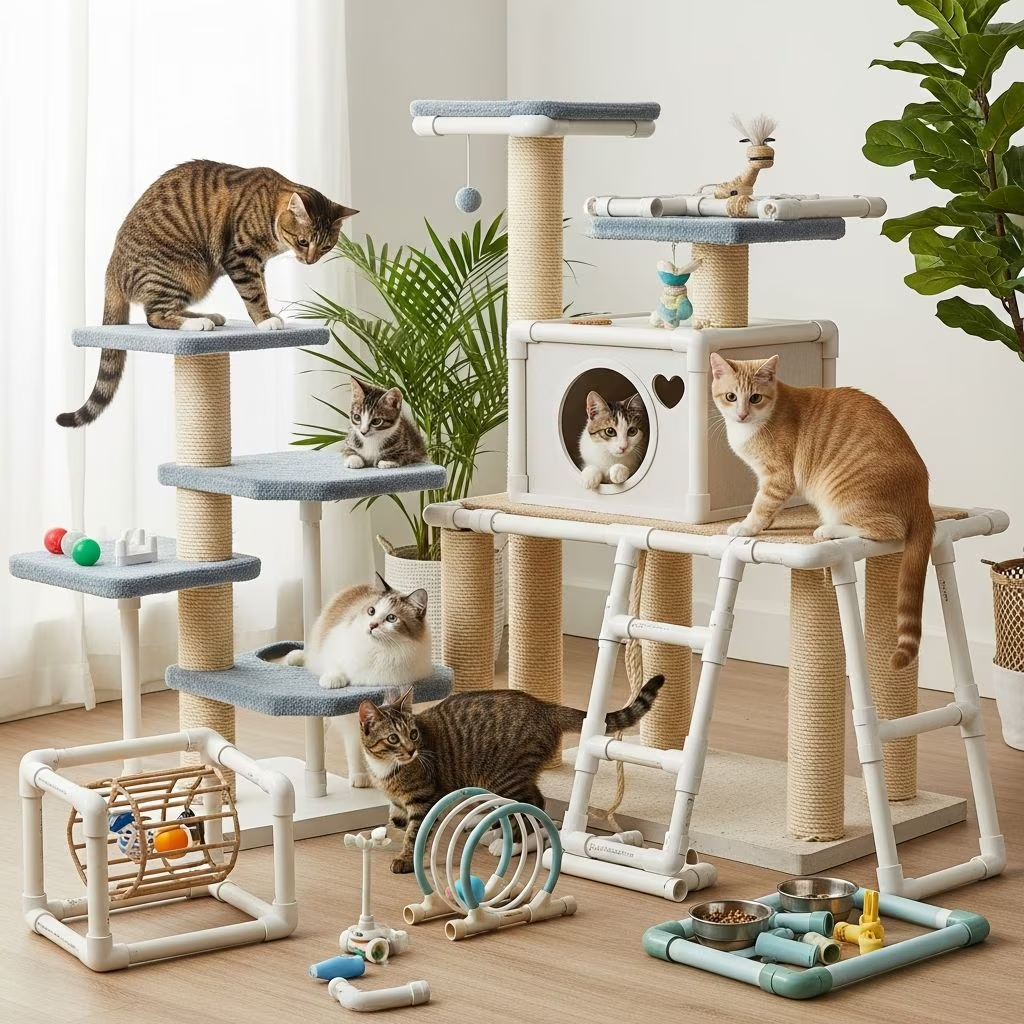
Creating custom furniture for your cat using PVC pipes offers an affordable way to enrich their environment. These lightweight, sturdy projects cater to cats’ instincts for climbing, scratching, and lounging, while fitting various home sizes and budgets. With basic tools and materials from hardware stores, you can craft everything from simple perches to elaborate playgrounds.
Why Choose PVC for Cat Furniture?
PVC piping stands out for its durability against rough play, low cost, and ease of assembly. Unlike wood, it resists chewing and warping, making it ideal for indoor pet structures. Connectors like elbows, tees, and crosses allow endless configurations, from vertical towers to horizontal tunnels. Covering pipes with sisal rope adds scratching surfaces, satisfying natural behaviors and protecting your home furnishings.
Projects scale to skill levels: beginners start with basic frames, while advanced builders add platforms and enclosures. Total costs often stay under $50, far below commercial alternatives that exceed $200.
Essential Materials and Tools
Stock up on these basics for most builds:
- 1-inch or 1.5-inch PVC pipes (Schedule 40 for strength)
- Connectors: 90-degree elbows, T-joints, 3-way and 4-way tees
- Plywood or foam boards for platforms (18×18 inches common)
- Sisal rope, carpet remnants, or fleece for coverings
- PVC cement or zip ties for secure joints
- Tools: Hacksaw, sandpaper, drill, measuring tape
Optional: Netting for enclosures, duct tape for quick fixes, fabric dyes for aesthetics.
Project 1: Multi-Level Climbing Tower
This vertical structure mimics a tree, perfect for high-climbing cats in small spaces. It supports multiple felines with stacked platforms.
- Cut pipes: four 24-inch legs, eight 12-inch crossbars, four 18-inch risers.
- Assemble base with 4-way tees; add platforms using plywood screwed into frames.
- Stack levels, securing with elbows; wrap verticals in sisal.
- Top with a hammock from fleece slung between arms.
Height: 5-6 feet. Time: 2 hours. Customize by adding dangling toys.
Project 2: Hammock Lounge Frame
A relaxed hanging spot for napping cats, using minimal materials for quick setup.
Frame two A-frames with 36-inch legs and 24-inch tops via elbows. Connect with horizontal pipes; suspend a fabric hammock using shower rings on upper bars. Ensure stability by weighting the base with sand-filled bottles. Ideal for window views, keeping cats off counters.
Project 3: Desert-Inspired Scratching Tower
Channel your cat’s wild side with a tall, rope-wrapped post shaped like a spiky plant.
- Base: 24×24-inch plywood.
- Pipes: 48-inch central, three 18-inch arms with elbows angled outward.
- Wrap all in green-dyed sisal for texture and grip.
Place near furniture to redirect scratching. Height adjustable up to 4 feet.
Project 4: Enclosed Outdoor Playpen
Safe outdoor access via a PVC-framed ‘cat patio’ with mesh walls.
Build a 4x4x6-foot cube using T-joints for corners. Attach pet-safe netting with zip ties; add internal ladders from 12-inch pipe sections and small platforms. Include a flap door for entry. Great for apartment balconies.
Project 5: Elevated Dish Shelf Tower
Repurpose storage items into a high perch for observant cats.
Stack PVC risers (three 20-inch sections) with shelf brackets holding plastic dishes or baskets. Line with plush fabric. Cats love the vantage point for bird-watching.
Project 6: Suspended Hammock Tower
Advanced build with a central pole and multiple swinging beds.
- 60-inch vertical pipe on weighted base.
- Attach four arms with 3-way elbows; hang hammocks via rings.
- Reinforce with duct tape wraps for color and strength.
Requires partner for assembly; supports 20+ pounds.
Project 7: Compact Corner Climber
Space-saver for apartments, fitting snugly in corners.
Two 48-inch verticals connected by diagonal braces and three triangular platforms. Use carpet scraps for non-slip surfaces. Compact footprint: 2×2 feet.
Project 8: Window-Mount Viewing Perch
Redirects cats from surfaces to a dedicated sill spot.
Build L-frame: 24-inch horizontal with two 12-inch supports. Pad with foam and cover in fleece; suction cups or brackets secure to glass. Holds two average cats.
Project 9: Tunnel and Hideout Maze
Encourages exploration with connected tubes and cubbies.
Elbows form 3-foot tunnels; cap ends with cardboard boxes lined in fabric. Link to a central scratching post. Fun for playful kittens.
Project 10: Tiered Basket Bed System
Cozy nests at varying heights for lounging.
HGTV-inspired: PVC skeleton with hanging wicker baskets as beds. Line with blankets; add scratching rope ladders between tiers.
Customization Tips for Durability and Style
Enhance projects with these ideas:
- Scratching surfaces: Sisal rope glued tightly; lasts 1-2 years.
- Comfort: Faux fur or memory foam on platforms.
- Safety: Sand edges; test stability by shaking vigorously.
- Aesthetics: Spray paint frames; match home decor.
- Multi-cat: Widen bases, add parallel structures.
For larger builds, reinforce joints with PVC cement—dries in 24 hours.
Safety Guidelines for PVC Cat Structures
Prioritize pet health:
| Aspect | Best Practice | Why It Matters |
|---|---|---|
| Weight Capacity | Test up to 1.5x cat’s weight | Prevents collapse during jumps |
| Materials | No sharp edges; pet-safe adhesives | Avoids injuries or ingestion |
| Stability | Wide base; anchor to wall if tall | Reduces tip-over risk |
| Cleanliness | Removable covers; non-toxic cleaners | Prevents bacterial buildup |
Supervise initial use; separate aggressive cats.
Common Mistakes to Avoid
Over-tightening joints cracks pipes; use hand pressure only. Skipping base weighting leads to wobbles—add concrete-filled PVC stubs. Measure twice: mismatched cuts waste materials. Always wear safety gear when sawing.
Cost Breakdown Comparison
| Project | Materials Cost | Build Time | Skill Level |
|---|---|---|---|
| Climbing Tower | $35 | 2 hrs | Beginner |
| Playpen | $60 | 4 hrs | Intermediate |
| Maze | $20 | 1 hr | Beginner |
| Perch | $15 | 30 min | Beginner |
Averages from standard hardware pricing.
Benefits for Cats and Owners
These structures reduce boredom-induced mischief, like shredded couches. Cats exercise more, aiding weight control. Owners save on vet bills from inactivity and enjoy personalized decor. Multi-level designs foster territory-sharing in homes with several pets.
FAQs
Is PVC safe for cats? Yes, when edges are smoothed and coverings added; it’s non-toxic and chew-resistant.
How do I make it stable? Use wide bases and weights; secure tall units to walls.
Can I paint PVC? Use plastic-specific spray paint; dries in hours for custom colors.
What if my cat ignores it? Add catnip, place near favorite spots, or include familiar fabrics.
How long do they last? 2-5 years with maintenance; replace rope as needed.
Best pipe size? 1-1.5 inches balances strength and climbability.
References
- 10 Free DIY PVC Cat Furniture Ideas You Can Make Today — Catster. 2023-05-15. https://www.catster.com/lifestyle/diy-pvc-cat-furniture-ideas/
- Crafting Joy: 6 DIY PVC Cat Tree Plans for Your Feline Friend — Orea Tai. 2024-02-10. https://www.oreateai.com/blog/crafting-joy-6-diy-pvc-cat-tree-plans-for-your-feline-friend/a0e2f1aada1f556c79f2f06910b513c6
- Building Your Own PVC Cat Tree — SONGMICS HOME. 2024-08-20. https://www.songmics.com/blogs/pet-caring-tips-guides/building-your-own-pvc-cat-tree
- Duct Tape & PVC Cat Condo — Instructables. 2022-11-05. https://www.instructables.com/Duct-Tape-PVC-Cat-Condo/



