

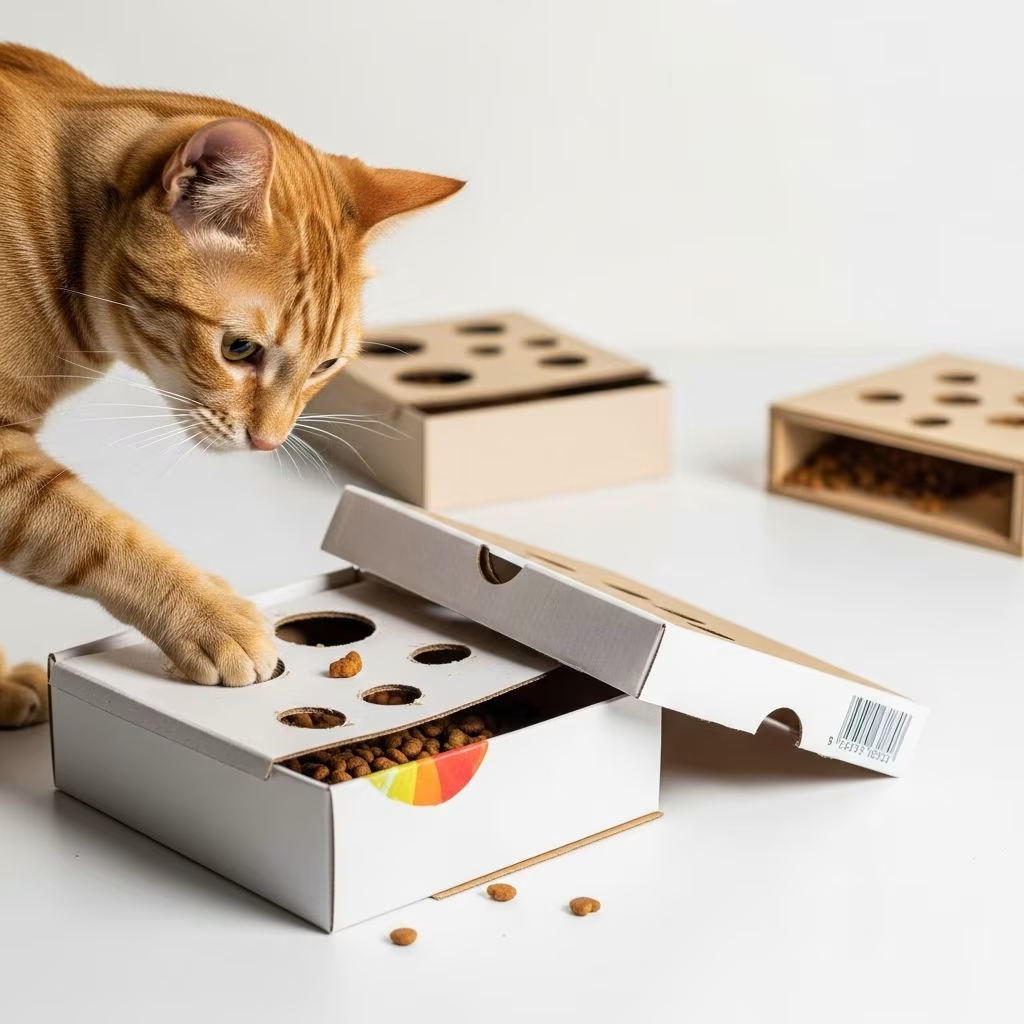
Puzzle feeders for cats mimic natural foraging behaviors, providing mental stimulation, reducing boredom, and slowing down fast eaters to promote healthier digestion. These DIY versions use everyday household items, making them cost-effective and customizable for your cat’s skill level. Whether your feline is a beginner or a puzzle pro, these 10 ideas offer engaging ways to enrich mealtime and playtime.
Why Puzzle Feeders Are Great for Cats
Cats in the wild spend hours hunting and foraging, but indoor cats often eat quickly from bowls, leading to obesity, boredom, and behavioral issues. Puzzle feeders extend mealtime, encourage problem-solving, and provide physical exercise through pawing, batting, and rolling. Start simple for kittens or novices, and increase difficulty as they learn. Always supervise initial use and use appropriately sized kibble or treats to prevent choking.
1. Ice Tray by Peta
Experience Level: Beginner
Materials Required: Ice tray
Tools Required: None
This ultra-simple puzzle requires no crafting skills. Ice trays, available for under $1 at dollar stores, have individual compartments perfect for kibble or small treats. Fill each cube with food and place on the floor. Your cat will paw and nose around to extract pieces, slowing eating and providing instant gratification. Ideal for food-motivated cats or those new to puzzles. For added challenge, freeze wet food mixed with water in the tray.
2. Plastic Box Puzzle Feeder by the Glamcat
Experience Level: Beginner
Materials Required: Disposable food container, rubbing alcohol, adhesive casters, small cat toys, treats, black marker
Tools Required: Scissors, lighter, utility knife
Transform a plastic takeout container into a fishing-style feeder. Clean with rubbing alcohol, cut small holes in the lid just larger than treats, add casters to the bottom for rolling, and drop treats inside. Cats must fish through holes with paws—a motion different from batting toys. Mark holes with a black marker for visibility. Note: This may challenge kittens lacking fine motor skills, but it’s engaging for adults.
3. Toilet Paper Roll Feeder by Pets Plus Us
Experience Level: Beginner
Materials Required: Used toilet paper rolls
Tools Required: Scissors or utility knife
Repurpose empty toilet paper rolls for quick fun. Fold ends inward to trap treats, then cut irregular shapes along the sides. Fill with kibble; cats bat the roll to dispense food. Though short-lived (cats may destroy it), it’s recyclable and perfect for impromptu play. Cluster multiple rolls in a box for extended sessions, folding or cutting slits to vary difficulty.
4. Tic Tac Kitty Treat Feeder by Chewy
Experience Level: Beginner
Materials Required: Cardboard, muffin tin
Tools Required: Scissors
A beginner-friendly option using a muffin tin covered with cut cardboard pieces. Cut slits or flaps in cardboard to fit over tin compartments, fill with treats underneath. Cats paw flaps to reveal food. Great for first-timers, kittens, or speed eaters. Add more slits for prolonged engagement; discard when soggy.
5. Egg Carton Puzzle Feeder
Experience Level: Beginner
Materials Required: Empty egg carton
Tools Required: None (optional scissors)
Fill egg carton sections with kibble or treats. For beginners, leave open; advanced cats enjoy covered sections with lightweight obstacles like ping pong balls or paper. Cats paw or nose to access food. Eco-friendly and disposable after use. Similar to ice trays but with varied compartment sizes for interest.
6. Injection Mold Puzzle Feeder by Cat Lessons
Experience Level: Beginner
Materials Required: Paper injection mold, cardboard box
Tools Required: Box cutter
Repurpose packaging inserts from deliveries. Cut small openings into the mold, place in a box, and add treats. Cats dig deep for rewards, offering long-lasting play. Durable and free if you receive packages regularly.
7. Cheese Crate by Food Puzzles For Cats
Experience Level: Medium
Materials Required: Cheese crate, cardboard
Tools Required: Scissors
Cut paw-sized holes in a plastic cheese crate lid, line bottom with cardboard, and fill with food. Cats fish through holes—a step up from simple batting. Sturdy for repeated use; adjust hole size for skill level.
8. Recycled Cardboard Box by Food Puzzles For Cats
Experience Level: Medium
Materials Required: Cardboard box
Tools Required: Scissors
Select a small box, cut entry holes, fill with kibble. Cats push and bat to dispense treats. Smaller boxes mean tinier holes for more challenge. Fully recyclable and customizable.
9. Plastic Bottle by Purina
Experience Level: Medium
Materials Required: Plastic bottle
Tools Required: Scissors
Cut treat-sized holes in a clean plastic bottle, fill with kibble. Cats roll it like a toy, shaking out food amid fun noises. Doubles as an interactive roller; supervise to avoid sharp edges.
10. Chair Puzzle Feeder
Experience Level: Medium
Materials Required: Old chair with back holes, Tupperware containers, Velcro strips
Tools Required: Screwdriver (for legs)
Remove chair legs, attach Tupperware to back holes via Velcro (inside facing), fill with food, flip seat-down. Cats fish through holes. Creative use of furniture for a stable, multi-use puzzle.
Tips for Success with DIY Puzzle Feeders
- Start easy: Use clear or large-hole designs so cats see food and succeed quickly.
- Demonstrate: Roll or paw the feeder yourself to show how it works.
- Supervise: Watch first sessions to ensure safety and build confidence.
- Rotate toys: Swap feeders weekly to maintain interest.
- Clean regularly: Wash with mild soap to prevent bacteria.
- Portion control: Use meals in puzzles to manage weight.
How to Introduce Puzzle Feeders to Your Cat
Begin with 5-10 minutes sessions using familiar kibble. Offer treats by hand first, then place a few in the puzzle. Gently roll or nudge to dispense, praising successes. Gradually increase time and difficulty. If frustrated, revert to easier options. Most cats adapt in days, turning meals into engaging hunts.
| Puzzle Type | Difficulty | Durability | Best For |
|---|---|---|---|
| Ice Tray | Beginner | Low | Speed eaters |
| Plastic Bottle | Medium | Medium | Active cats |
| Cardboard Box | Medium | Low | Customizable play |
Frequently Asked Questions (FAQs)
What if my cat ignores the puzzle feeder?
Persist with short, positive sessions and demonstrations. Hunger drives interest—use mealtime kibble. Try easier designs or add enticing wet food scents.
Are DIY puzzle feeders safe?
Yes, if supervised. Use non-toxic materials, smooth edges, and kibble-sized holes. Avoid small parts that could be swallowed.
Can puzzle feeders help overweight cats?
Absolutely. They slow eating, extend activity, and replace free-feeding, aiding weight management per veterinary guidelines.
How often should I use puzzle feeders?
Daily for meals, rotating types. Combine with other enrichments like scratching posts for holistic stimulation.
What treats work best?
Dry kibble, small freeze-dried treats, or soft pieces. Avoid sticky foods that clog holes.
References
- 10 DIY Puzzle Cat Feeders You Can Make Today (With Pictures) — Catster. 2023-05-15. https://www.catster.com/lifestyle/diy-puzzle-cat-feeders/
- Puzzle Feeders for Cats: Introduction Tips, Types & FAQ (Vet-Verified) — Catster. 2024-02-20. https://www.catster.com/lifestyle/puzzle-feeders-for-cats/
- DIY Cat Food Puzzle Ideas — PrettyLitter. 2023-11-10. https://www.prettylitter.com/blog/cat-food-puzzle-diy
- Stop Cat Boredom: 5 DIY Enrichment Hacks (That Actually Work) — YouTube (Video Transcript). 2023-08-05. https://www.youtube.com/watch?v=ynQUUqHN9l0
- DIY Enrichment for Cats — Humane Animal Partners. 2024-01-12. https://www.humaneanimalpartners.org/diy-enrichment-for-cats/



