

by Dr. Shea Cox, DVM, CVPP, CHPV | expert review by Dr. Sagen Woolery, DVM
In this final installment of our comprehensive DIY physical exam series for dogs, pet parents will gain the confidence to perform essential health checks on their dog’s stomach (abdomen) and musculoskeletal system right at home. These simple, hands-on techniques empower you to establish what’s normal for your pup and spot potential problems early—when intervention can make all the difference. Regular at-home exams complement professional veterinary care, helping extend your dog’s healthy lifespan through proactive monitoring.
This series has already covered vital signs (Part 1), head examination (Part 2), and thorax assessment (Part 3). Now, we focus on the abdomen and skeleton, completing your owner’s manual for routine dog health screening. Remember, you’re the expert on your own dog: subtle changes in feel, behavior, or appearance that you notice first can signal issues like gastrointestinal problems, organ enlargement, pain, or orthopedic conditions.
Why perform these exams at home? Veterinarians recommend baseline health checks during wellness visits, but daily observation and monthly hands-on exams allow early detection of abnormalities. According to the American Veterinary Medical Association (AVMA), early identification of health issues improves outcomes and reduces treatment costs[10]. Practice these steps when your dog is healthy to build familiarity—then monitor consistently.
Examining the Stomach (Abdomen)
The abdominal exam is straightforward yet reveals critical insights into your dog’s digestive health, hydration, organ function, and more. A healthy dog abdomen should feel soft and symmetrical, with no hard masses, excessive gas, pain on palpation, or unusual bloating. Always perform this gently, especially with sensitive or large breeds, and stop if your dog shows discomfort (whining, tensing, or biting).
Preparation tips:
- Choose a quiet, comfortable space where your dog relaxes—perhaps on a non-slip mat or familiar bed.
- Have treats ready for positive reinforcement.
- Perform post-walk or play when your dog is calm but not immediately after eating (wait 2-4 hours to avoid confusing food with abnormalities).
- Wash your hands; trim nails if needed to prevent scratches.
How to Check Your Dog’s Stomach Step-by-Step
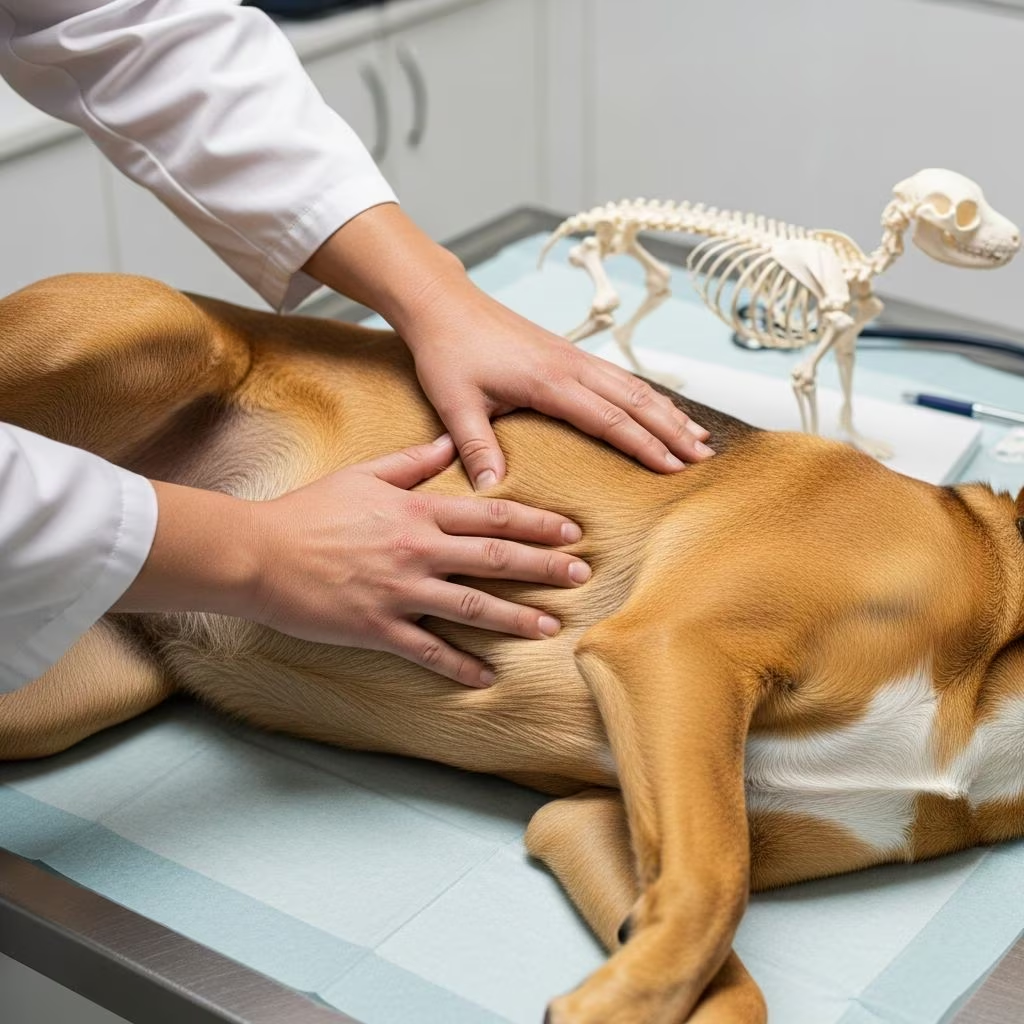
Position your dog standing or lying on their side (left side first for easier access to stomach area). Use both hands to systematically palpate (gently press and knead) from front to back.
- Locate the starting point: Place hands just behind the last rib on both sides. The abdomen begins here and extends to the pelvis. Note any asymmetry— one side shouldn’t feel firmer or more distended.
- Gently press and roll: Use fingertips or flat palms to apply light pressure (like checking a ripe avocado—firm but yielding). Slide hands caudally (toward the rear) in a sweeping motion, feeling for:
- Lumps, bumps, or masses: Small, movable pea-sized nodules might be fat deposits (normal in older dogs), but hard, fixed lumps or rapid growth warrant a vet visit. Lipomas (benign fatty tumors) are common, affecting up to 20% of senior dogs per veterinary studies[11].
- Fluid or gas: Excessive gurgling (hyperactive bowels) or a fluid wave (like sloshing water) could indicate bloat (GDV), diarrhea, or peritonitis—emergencies.
- Organ enlargement: The spleen (left side, under ribs) or bladder (lower midline) may feel enlarged if diseased. A full bladder feels like a water balloon ventrally.
- Pain or discomfort: Guarding (tensing muscles), resentment, or vocalizing means stop and call your vet. Pain suggests pancreatitis, foreign bodies, or infections.
- Check for distention: Stand back and visually inspect: Is the belly pot-shaped, drum-tight, or pendulous? Mild post-meal fullness is okay, but persistent swelling needs evaluation.
- Assess hydration (skin turgor): From Part 3, pinch skin on the abdomen; it should snap back instantly. Tenting >2 seconds indicates dehydration.
Normal findings: Soft, dough-like consistency with mild intestinal movement. Puppies may have rounder bellies due to worms or growth; seniors might have some muscle loss.
Red flags—seek immediate vet care if you find:
- Severe pain or guarding.
- Marked distention (especially with retching = bloat risk).
- Blood in stool/urine, vomiting, or lethargy accompanying findings.
- New or growing masses >1cm.
Examining the Musculoskeletal System
Your dog’s skeleton and muscles support mobility, so checking for lameness, pain, or joint issues prevents arthritis or injuries from worsening. The musculoskeletal exam evaluates bones, joints, muscles, and gait—key for active or aging dogs. According to the American Animal Hospital Association (AAHA), 20% of dogs over 8 years have osteoarthritis[12]. Early detection via home exams allows timely interventions like weight management or supplements.
Step-by-Step Skeleton and Muscle Check
Observe first, then hands-on. Do this during walks or play for dynamic assessment.
- Gait observation (walk and trot): Watch from front, side, and rear.
- Normal: Symmetrical stride, head steady, no ‘bunny hopping’ (rear legs together).
- Abnormal: Limping, head bobbing (front leg pain), dragging toes, or reluctance to bear weight.
- Spine and posture: Run hands along the back from neck to tail. Feel for:
- Alignment: Smooth curve, no humps or sways (kyphosis/lordosis).
- Swelling or heat over vertebrae (disc disease risk).
- Muscle symmetry: Equal development on both sides.
- Limbs and joints: Palpate each leg systematically.
- Shoulders/elbows: Flex/extend gently; note crepitus (grinding), swelling, or pain.
- Wrists (carpi)/knees (stifles): Check for instability (drawer sign in CCL tears—forward tibia slide).
- Hips: Rotate gently; pain or reduced range indicates dysplasia.
- Ankles (hocks)/paws: Inspect pads for cracks, nails for overgrowth, interdigital issues.
- Muscle mass: Feel thighs, shoulders—wasting suggests nerve damage or disuse atrophy.
- Full body palpation: Massage entire body for hidden pain, fractures, or tumors.
Normal vs. Abnormal Table:
| Area | Normal | Abnormal (Vet ASAP) |
|---|---|---|
| Gait | Smooth, even stride | Lameness, stiffness, asymmetry |
| Joints | Full painless ROM | Swelling, crepitus, pain on flexion |
| Spine | Smooth, flexible | Humps, sensitivity, scoliosis |
| Muscles | Firm, symmetrical | Atrophy, tremors, knots |
Tips for breeds: Brachycephalics (e.g., Bulldogs) prone to back issues; giants (Great Danes) to bloat/hips; small breeds to patellar luxation.
Putting It All Together: Full Routine Exam
Integrate Parts 1-4 monthly: Vitals → Head → Thorax → Abdomen → Skeleton. Document findings (photos, notes) for trends. Combine with weight tracking, coat check, and behavior logs for holistic health monitoring.
Frequently Asked Questions (FAQs)
Q: How often should I do a full DIY dog physical exam?
A: Monthly for adults; weekly for puppies/seniors. Daily visual checks for gait/appetite.
Q: My dog resents belly touching—what now?
Q:
A: Use higher-value treats, go slower, or consult vet for pain evaluation. Never force.
Q: Is it normal for older dogs to have belly lumps?
A: Common (lipomas), but always vet-check new/changing lumps[11].
Q: Can I check for hip dysplasia at home?
A: Assess pain/ROM, but X-rays confirm. Early signs: bunny hopping, trouble rising[12].
Q: What if I find nothing wrong but dog seems ‘off’?
A: Trust your instincts—subtle behavior changes precede physical signs. See vet.
Mastering these exams makes you your dog’s first line of defense. Consult professionals for concerns; this guide supports, not replaces, vet care.
References
- DIY Physical Exam Part 1 — How to Check Your Dog’s Vitals — Kinship. 2023. https://www.kinship.com/dog-health/diy-physical-exam-owners-manual-your-dog-part-1
- DIY Pet Physical Exam: How to Check Your Dog’s Breathing & Skin — Kinship. 2023. https://www.kinship.com/dog-health/diy-physical-exam-owners-manual-your-dog-part-3
- DIY Physical Exam Part 4—How to Examine Your Dog’s Stomach and Skeleton — Kinship (Dr. Shea Cox). 2023. https://www.kinship.com/uk/dog-health/diy-physical-exam-owners-manual-your-dog-part-4
- Wellness Examinations — American Veterinary Medical Association (AVMA). 2024-05-01. https://www.avma.org/resources-tools/pet-owners/petcare/wellness-examinations
- DIY Dog Checkup — Kinship. 2023. https://www.kinship.com/dog-health/diy-dog-checkup
- Canine Lipomas: Benign Fatty Tumors — Merck Veterinary Manual. 2024. https://www.merckvetmanual.com/dog-owners/skin-disorders-of-dogs/lipomas-in-dogs
- AAHA Pain Management Guidelines for Dogs and Cats — American Animal Hospital Association. 2022-03-01. https://www.aaha.org/resources/2022-aaha-pain-management-guidelines-for-dogs-and-cats/



