

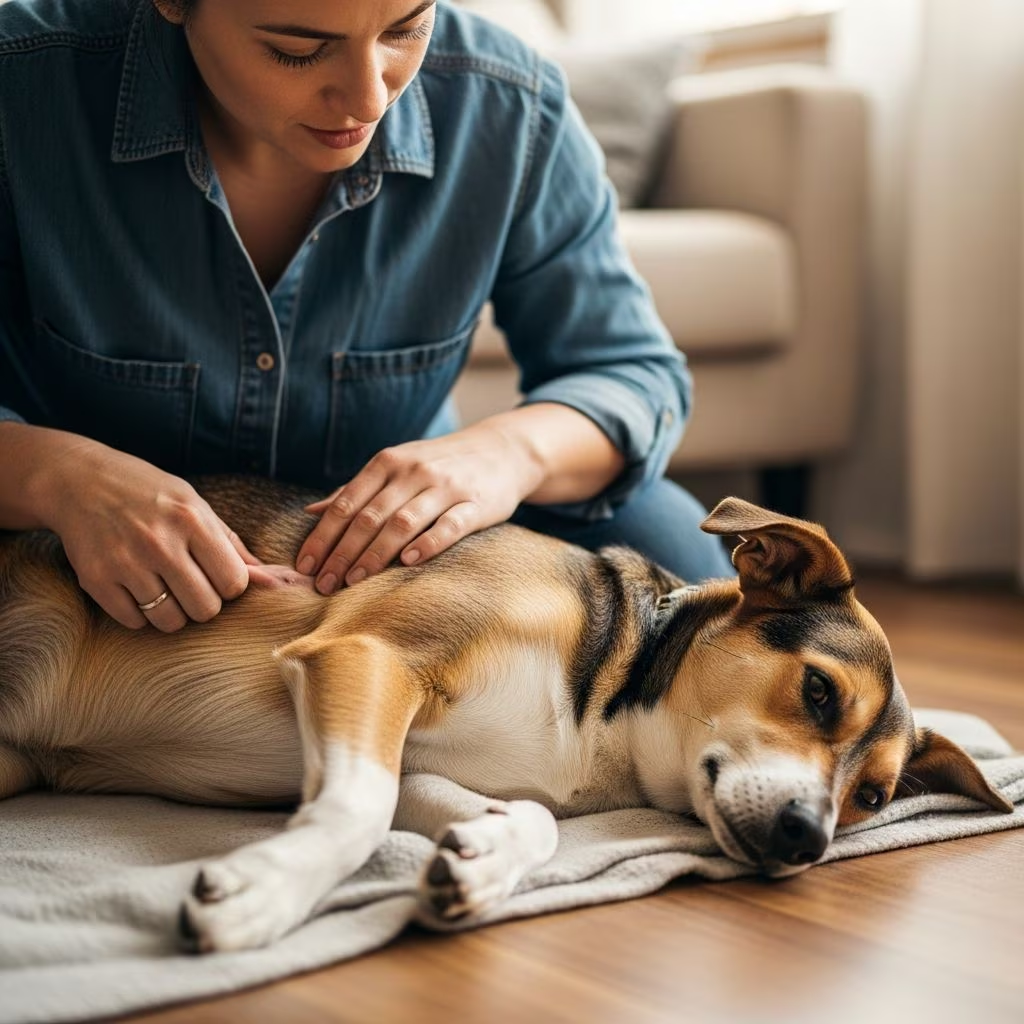
Performing regular at-home physical exams on your dog is a vital skill for every pet owner. This guide, part 3 of our comprehensive series by veterinarian Dr. Shea Cox, focuses on examining your dog’s thorax—the chest area including the neck, chest, breathing, and skin hydration. Early detection of abnormalities can be lifesaving, allowing you to spot subtle changes before they become serious issues.
You know your dog better than anyone. By establishing what is ‘normal’ for your pet through routine checks—especially when they’re healthy—you’ll be better equipped to identify problems early. This installment builds on Parts 1 and 2, covering vitals and head exams, and prepares you for Part 4 on the abdomen and skeleton.
Why Perform a DIY Physical Exam on Your Dog?
Routine physical exams at home help you monitor your dog’s health proactively. Veterinarians recommend familiarizing yourself with your dog’s baseline during calm moments. Subtle changes in posture, breathing, or skin can signal issues like dehydration, respiratory problems, or infections.
Benefits include:
- Early detection of illnesses, potentially saving lives.
- Increased bonding through hands-on interaction.
- Confidence in recognizing when to seek vet care.
- Cost-effective prevention of minor issues escalating.
Always consult your veterinarian if you notice abnormalities. This guide is educational, not a substitute for professional care.
Preparing for the Thorax Exam
Choose a quiet time when your dog is relaxed, perhaps after a walk or mealtime. Have treats ready for positive reinforcement. Work in good lighting, and start with observation before touching. Perform this exam weekly to build familiarity.
Tools needed:
- Stopwatch or phone timer for respiratory rate.
- Treats for cooperation.
- Notebook to record baselines (e.g., normal breaths per minute).
Step 1: Checking Your Dog’s Neck
The neck connects the head to the thorax and houses vital structures like the trachea, esophagus, and lymph nodes. Gently palpate (feel with fingers) from the base of the skull to the shoulders.
What to look for:
- Symmetry: Both sides should feel equal; swelling may indicate lymph node issues or infection.
- Mobility: Gently turn the head side-to-side; resistance or pain suggests neck pain or injury.
- Skin and hair: Smooth coat, no bald patches, lumps, or heat (which could signal abscesses).
- Trachea: Feel the windpipe—it should be a firm tube, not honking or sensitive.
Normal findings: Soft, pliable neck without masses or pain. Puppies and long-necked breeds like Greyhounds may have more flexible necks.
Red flags: Lumps, heat, pain on touch, or difficulty swallowing warrant immediate vet attention, as they could indicate thyroid issues, infections, or trauma.
Step 2: Assessing the Chest (Thorax Proper)
The chest protects the heart and lungs. Place hands on both sides, feeling from the shoulders to the last rib.
Key checks:
- Shape and symmetry: Barrel chest in some breeds (e.g., Bulldogs) is normal; asymmetry may indicate fluid buildup or masses.
- Rib palpation: Run fingers along ribs—feel each one individually. Note fractures (painful, crepitus), or thin fat cover suggesting weight loss.
- Heart and lung area: Listen for heart murmurs or abnormal lung sounds if experienced; otherwise, feel for vibrations (thrills).
Observe from the side: The chest should rise evenly. Depressed posture or rapid shallow breathing signals distress.
Step 3: Measuring Your Dog’s Respiratory Rate
Respiratory rate is breaths per minute (bpm) at rest—a key vital sign. Normal range: 10-30 bpm for adults; puppies up to 40 bpm. Elevated rates indicate pain, fever, or lung issues.
How to measure:
- Let your dog rest undisturbed for 5+ minutes.
- Watch the chest or abdomen rise and fall—one rise and fall = one breath.
- Count for 30 seconds, multiply by 2. Use a timer.
- Record over several sessions for baseline.
| Dog Size/Age | Normal BPM | Concerning if Above |
|---|---|---|
| Small breeds/adults | 15-30 | 40+ |
| Large breeds | 10-25 | 35+ |
| Puppies | 20-40 | 50+ |
Practice effort: Breaths should be even, quiet. Panting isn’t counted as respiration.
Step 4: Performing the Skin Turgor Test for Hydration
Skin turgor assesses hydration—dehydration causes skin to ‘tent’ when pinched. Test on the neck or scruff where loose skin is accessible.
Steps:
- Gently lift a fold of skin away from the body.
- Pinch and hold for 2 seconds, then release.
- Normal: Skin snaps back instantly.
- Mild dehydration: 1-2 seconds to flatten.
- Severe: >2 seconds (‘tents’).
Other hydration clues: Sticky gums, sunken eyes, lethargy. Always check gums for moistness and pink color.
Factors affecting turgor: Older dogs have looser skin naturally; test the same spot consistently.
Common Abnormalities and When to Call the Vet
Integrate findings:
- Neck: Swelling, pain → Infection, lymph issues.
- Chest: Asymmetry, painful ribs → Trauma, tumors.
- Breathing: >30 bpm at rest, labored → Pneumonia, heart disease.
- Skin: Poor turgor → Dehydration from vomiting/diarrhea.
Emergency signs: Blue gums, collapse, open-mouth breathing. Seek immediate care.
Integrating with Full DIY Exam Series
This thorax check is Part 3. Recap:
- Part 1: Vitals (temp 101-102.5°F, heart 60-160 bpm).
- Part 2: Head (eyes clear, ears clean, mouth healthy).
- Part 3: Thorax (as above).
- Part 4: Abdomen (feel for masses behind ribs), skeleton (gait, joints).
Full routine: 15-20 minutes weekly.
Frequently Asked Questions (FAQs)
What is a normal respiratory rate for my dog?
10-30 breaths per minute at rest for adults; higher in puppies. Measure when calm.
How do I know if my dog is dehydrated?
Skin turgor test: Skin should snap back immediately. Check gums for tackiness.
Is it normal for my dog’s chest to feel asymmetrical?
No—symmetry is key. Differences may indicate fluid or masses; see a vet.
How often should I do these exams?
Weekly, or more if senior/ill. Track changes in a journal.
Can I do this on puppies?
Yes, but normals differ (higher BPM, looser skin). Be gentle.
Conclusion: Empower Your Pet’s Health
Mastering the thorax exam equips you to safeguard your dog’s well-being. Practice regularly, note baselines, and act on changes. Your vigilance, combined with vet visits, ensures a long, healthy life for your pup.
References
- DIY Physical Exam Part 1 — How to Check Your Dog’s Vitals — Kinship (Dr. Shea Cox, DVM). 2023. https://www.kinship.com/dog-health/diy-physical-exam-owners-manual-your-dog-part-1
- DIY Pet Physical Exam: How to Check Your Dog’s Breathing & Skin — Kinship (Dr. Shea Cox, DVM). 2023. https://www.kinship.com/uk/dog-health/diy-physical-exam-owners-manual-your-dog-part-3
- DIY Physical Exam Part 4—How to Examine Your Dog’s Stomach and Skeleton — Kinship (Dr. Shea Cox, DVM). 2023. https://www.kinship.com/dog-health/diy-physical-exam-owners-manual-your-dog-part-4
- DIY Physical Exam Part 2 — How to Check Your Dog for Infections — Kinship (Dr. Shea Cox, DVM). 2023. https://www.kinship.com/dog-health/diy-physical-exam-owners-manual-your-dog-part-2
- Seven Step DIY Dog Checkup — Kinship. 2023. https://www.kinship.com/dog-health/diy-dog-checkup



