

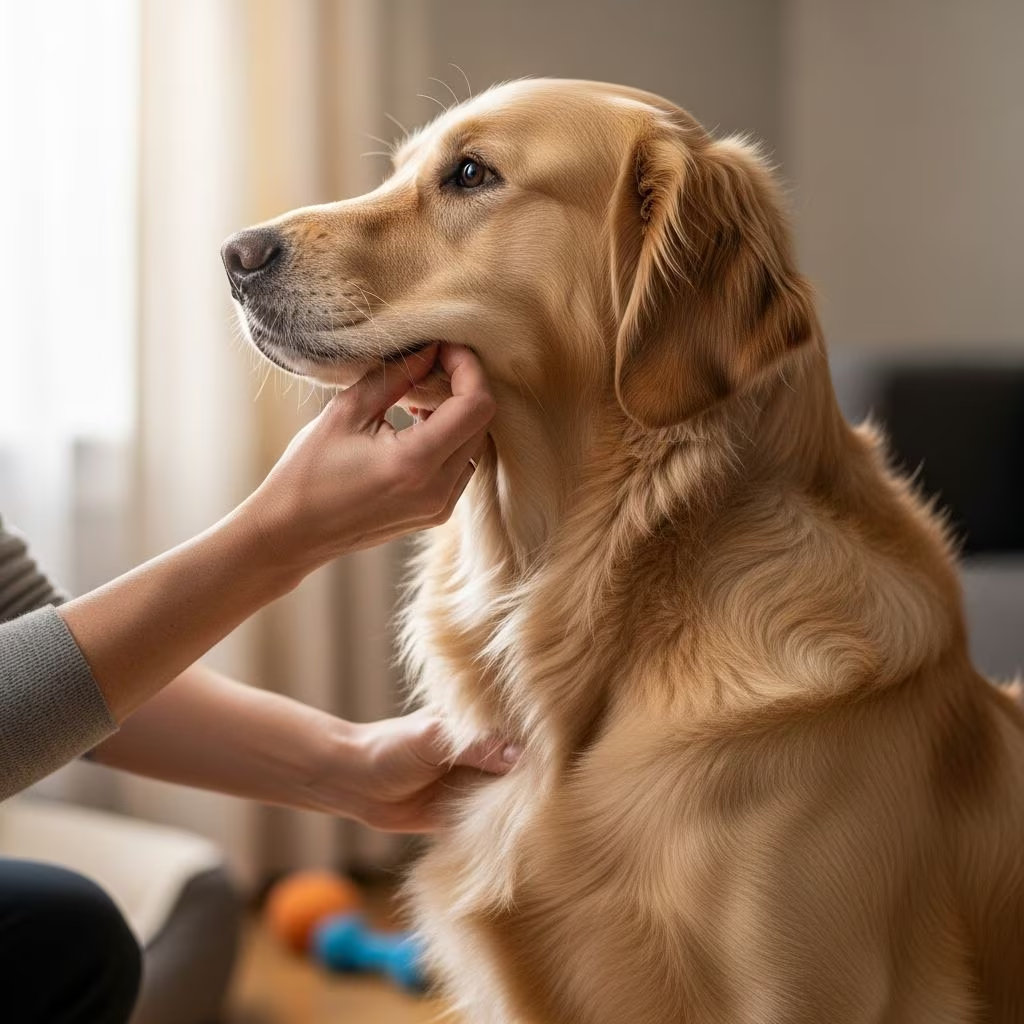
Performing regular at-home physical exams on your dog is one of the most powerful ways to monitor their health and detect potential issues early. As pet parents, we know our dogs better than anyone else, and subtle changes in their condition can often be spotted first by us. This guide, part 3 of our DIY Physical Exam series by veterinarian Dr. Shea Cox, focuses on examining your dog’s thorax—the chest area—including the neck, chest assessment, measuring respiratory rate, and performing a skin turgor test for hydration. Early detection through these simple checks can save lives, but always consult your vet for any concerns.
Why Perform a DIY Physical Exam on Your Dog?
Before diving into the thorax exam, understand the value of routine checks. Dogs can’t verbalize discomfort, so owners must become attuned to their pet’s ‘normal’ baseline. Perform these exams monthly or when your dog seems off, ideally when they’re relaxed. This series builds confidence: Part 1 covered vitals like temperature and heart rate, Part 2 the head (eyes, ears, nose, mouth), this part the thorax, and Part 4 the abdomen and skeleton.
Benefits include:
- Early identification of infections, dehydration, or respiratory issues.
- Strengthening the bond through hands-on care.
- Reducing vet visit stress by familiarizing your dog with touch.
- Empowering you to make informed decisions on when to seek professional help.
Remember, this is a screening tool, not a substitute for veterinary care. If you notice abnormalities, schedule a vet visit immediately.
Preparing for the Thorax Exam
Choose a quiet, well-lit room where your dog feels safe. Have treats ready for positive reinforcement. Start with observation: Watch your dog’s posture, breathing, and alertness for 2-3 minutes. Normal relaxed breathing is even and unlabored; count rises/falls in chest later. Gently restrain if needed, but keep it calm—tense dogs resist exams.
Step 1: Checking Your Dog’s Neck
The neck houses vital structures like the trachea, lymph nodes, and thyroid. Palpate gently from jaw to shoulders.
- Look first: Check for swelling, asymmetry, or wounds. Normal necks are symmetrical without visible lumps.
- Feel the trachea: Run fingers down the midline; it should feel like a firm tube, not honking or painful.
- Lymph nodes: Located under the jaw and behind the ears—feel for pea-sized, non-painful nodes. Enlarged, hard, or tender nodes suggest infection or worse.
- Thyroid: In larger breeds, feel for enlargement midline near the throat.
Abnormalities like pain on palpation or masses warrant a vet check for thyroid issues or abscesses.
Step 2: Assessing the Chest (Thorax)
The chest protects heart and lungs. Systematic palpation reveals issues like fractures or fluid buildup.
- Visual inspection: Observe rib cage symmetry and movement. Normal chest expands evenly.
- Palpation: Use flat hands to feel ribs, sternum, and spine. Note pain, crepitus (crunching), or deformities.
- Heart and lungs: Place hand on left chest behind elbow—feel heartbeat strength. Listen for abnormal lung sounds if possible.
In thin dogs, ribs are palpable but not sharp; obesity hides them. Pain or asymmetry? Vet time.
Normal vs. Abnormal Chest Findings
| Normal | Abnormal (See Vet) |
|---|---|
| Symmetrical shape, no pain | Asymmetry, lumps, pain on touch |
| Even rib expansion | Shallow/rapid breathing, coughing |
| Firm ribs without gaps | Crepitus, fractures |
Step 3: Measuring Your Dog’s Respiratory Rate
Respiratory rate (breaths per minute, BPM) is a key vital sign. Normal at rest: 10-30 BPM for adults; puppies up to 40.
- Observe quietly without touching—count chest rises/falls for 30 seconds, multiply by 2.
- Best when sleeping for true resting rate.
- Record over time to establish baseline.
Abnormal rates: <10 (slow, possible shock);>30 (stress, pain, lung disease). Track with apps or notes.
Tips for Accurate Measurement
- Avoid post-exercise or excitement.
- Use a timer and stopwatch.
- Compare to heart rate (doubles normal).
Step 4: Performing the Skin Turgor Test for Hydration
Skin turgor assesses hydration—dehydration causes tenting.
- Gently pinch skin on upper neck/shoulders between thumb and forefinger.
- Release; normal skin snaps back instantly.
- Slight delay (1-2 sec): mild dehydration; >2 sec: severe—emergency!
Factors affecting turgor: age (puppies/ seniors slower), obesity. Combine with gum moisture check: pale/sticky gums signal issues.
Hydration Assessment Table
| Skin Turgor Response | Hydration Status | Action |
|---|---|---|
| Snaps back immediately | Well-hydrated | Monitor routinely |
| 1-2 seconds | Mild dehydration | Encourage water, vet if persists |
| >2 seconds, tacky gums | Severe | Emergency vet visit |
Common Thorax Issues and When to Worry
Recognize red flags:
- Respiratory distress: Open-mouth breathing, blue gums—emergency.
- Neck pain: Reluctance to turn head, yelping.
- Dehydration signs: Sunken eyes, lethargy.
- Chest trauma: Recent injury, bruising.
Breeds prone to issues: brachycephalics (pugs) have higher respiratory rates; deep-chested (Great Danes) risk bloat.
Integrating into Full DIY Exam Routine
Combine with prior parts: vitals, head, then thorax, abdomen (Part 4). Frequency: monthly for adults, weekly for seniors/puppies. Log findings in a journal.
Frequently Asked Questions (FAQs)
What is a normal respiratory rate for my dog?
Adults: 10-30 breaths per minute at rest. Puppies: up to 40. Measure when relaxed.
How often should I do a skin turgor test?
During exams or if vomiting/diarrhea occurs. Daily if ill.
My dog’s neck lymph nodes are swollen—what now?
Check for infections/ticks. If persistent, see vet for possible lymphoma or abscess.
Can I do this on a wiggly puppy?
Yes, use treats, short sessions. Practice handling early.
What’s next after thorax exam?
Part 4: abdomen and musculoskeletal system.
Final Tips from Dr. Shea Cox
Consistency is key—practice builds skill. Your vigilance complements vet care. Celebrate with pets post-exam!
References
- DIY Physical Exam Part 1 — How to Check Your Dog’s Vitals — Kinship. 2023. https://www.kinship.com/dog-health/diy-physical-exam-owners-manual-your-dog-part-1
- DIY Pet Physical Exam: How to Check Your Dog’s Breathing & Skin — Kinship (Dr. Shea Cox, DVM). 2023. https://www.kinship.com/dog-health/diy-physical-exam-owners-manual-your-dog-part-3
- DIY Physical Exam Part 4—How to Examine Your Dog’s Stomach and Skeleton — Kinship (Dr. Shea Cox, DVM). 2023. https://www.kinship.com/dog-health/diy-physical-exam-owners-manual-your-dog-part-4
- Merck Veterinary Manual: Respiratory Rates in Dogs — Merck & Co., Inc. 2024-01-15. https://www.merckvetmanual.com/dog-owners/lung-and-airway-disorders-of-dogs/diagnosis-of-lung-and-airway-disorders-of-dogs
- AVMA Guidelines for Pet Health Monitoring — American Veterinary Medical Association. 2025-06-01. https://www.avma.org/resources-tools/pet-owners/petcare/home-pet-health-exams



