

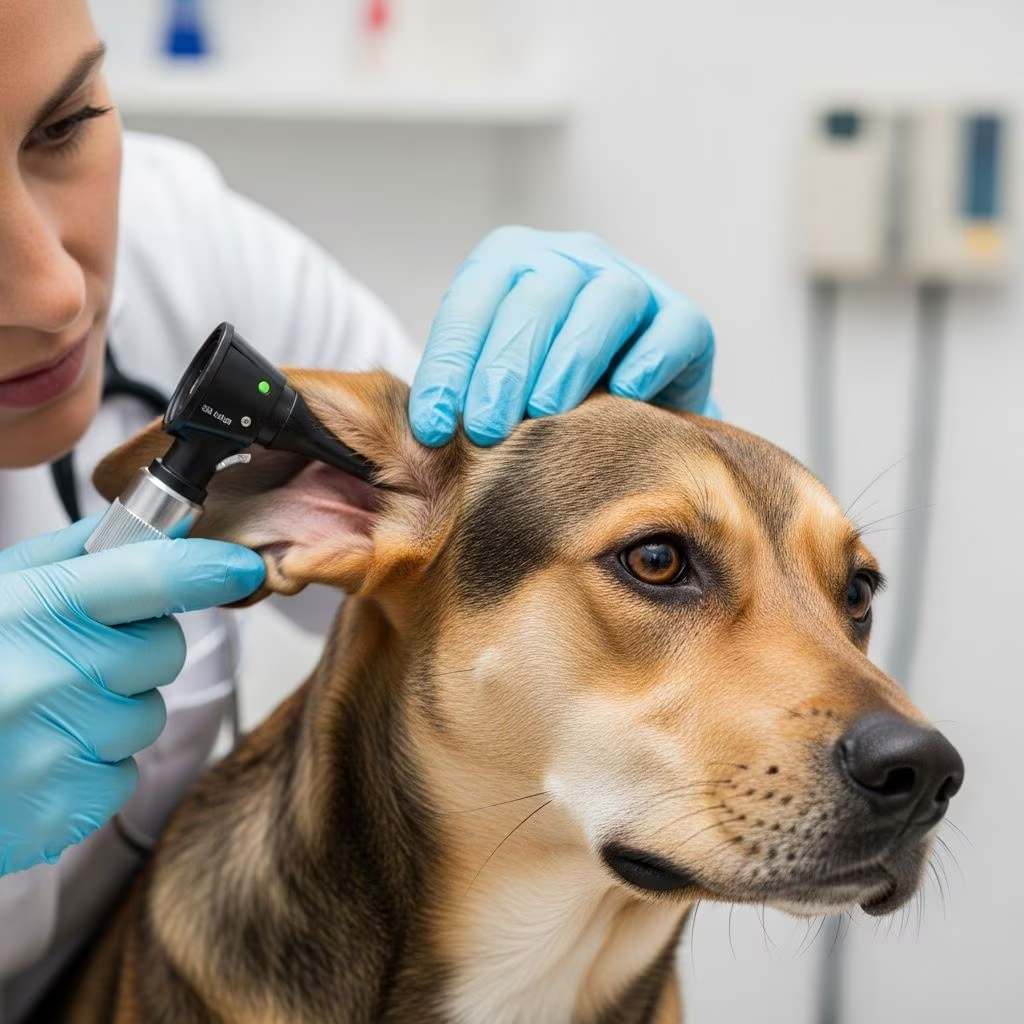
In this series, we’re helping pet parents gain confidence in conducting basic health checks on their dogs. This installment focuses on examining your dog’s head, including eyes, ears, nose, and mouth, to spot potential infections early. Regular at-home exams allow you to establish what’s normal for your pup, enabling quick detection of changes that could signal health issues. Early recognition of abnormalities can be lifesaving, though this guide is not a substitute for professional veterinary care.
Why Perform a DIY Physical Exam on Your Dog?
You know your dog better than anyone. Subtle changes in health often go unnoticed until they become serious. By performing routine physical exams when your dog is healthy, you create a baseline for ‘normal.’ This practice sharpens your ability to spot issues like infections in the eyes, ears, nose, or mouth. Veterinarians recommend monthly checks, especially for senior dogs or those with chronic conditions. According to the American Veterinary Medical Association (AVMA), proactive pet health monitoring improves outcomes and reduces emergency visits.
Start in a quiet, familiar space with treats handy to keep your dog relaxed. Use gentle handling to build positive associations. If your dog resists, stop and try again later—never force it. This head exam builds on Part 1’s basics (posture, temperature, heart rate). Next parts cover thorax, abdomen, and skeleton.
Observe Your Dog’s Face and Head First
Before touching, stand back and observe your dog’s face and head for 2-3 minutes. Look for symmetry, alertness, and any obvious issues like swelling, redness, or asymmetry. A healthy dog’s head appears proportionate, with clear eyes, clean ears, a moist nose, and pink gums. Note any head tilting, pawing at the face, or unusual odors—these are red flags for infections.
- Symmetry: Both sides of the face should match.
- Expression: Alert, not pained or droopy.
- Movement: Smooth head turns without wobbling.
Abnormalities here may indicate neurological issues or localized infections. Document findings with photos for your vet.
How to Check Your Dog’s Nose
A healthy dog’s nose is cool, moist, and free of discharge. Gently lift the muzzle to inspect nostrils. Use a flashlight for close examination.
Normal Nose Findings
- Cool to the touch (not hot or dry).
- Moist with clear mucus (minimal).
- No crusting, boogers, or colored discharge.
- Symmetrical nostrils, no swelling.
Signs of Infection or Problems
- Discharge: Yellow/green pus suggests bacterial infection; clear may be allergies.
- Boogers/crusts: Could indicate dry air, allergies, or nasal mites.
- Redness/swelling: Possible infection or foreign body.
- Ulcers or bleeding: Seek vet immediately—may signal autoimmune disease or cancer.
To check: Wipe gently with a soft cloth. If discharge persists or worsens, or if your dog sneezes excessively, consult a vet. Chronic nasal issues can stem from dental disease or tumors, per Merck Veterinary Manual guidelines.
Examining Your Dog’s Eyes
Dogs have three eyelids; the third (haw) is rarely visible in healthy eyes. Check both eyes together for clarity and symmetry.
Step-by-Step Eye Exam
- Observe from afar: Eyes should be bright, clear, and white (sclera). Pupils equal size, responsive to light.
- Close inspection: Look for corneal cloudiness, scratches, or ulcers.
- Tear staining: Brown under eyes normal in some breeds; excessive indicates issues.
- Third eyelid: Visible? May signal dehydration, pain, or illness (e.g., Horner’s syndrome).
- Cherry eye: Red mass in corner—common in young dogs.
Red Flags in Eyes
| Sign | Possible Cause | Action |
|---|---|---|
| Redness, squinting | Conjunctivitis, ulcer | Vet ASAP |
| Cloudy cornea | Cataracts, infection | Professional exam |
| Discharge (yellow/green) | Bacterial infection | Antibiotics needed |
| Unequal pupils | Neurological issue | Emergency |
Gently retract lids without pressure. Use saline to rinse if dirty. AVMA notes eye infections can lead to vision loss if untreated. Breeds like Bulldogs are prone to entropion (inward lashes).
Inspecting Your Dog’s Ears
Ear infections (otitis) affect 20% of dogs yearly, per recent studies. Flip the ear flap fully to expose the canal.
Normal Ear Appearance
- Pink, clean canal (light wax OK).
- No odor, redness, or swelling.
- Hair clean, no matting.
Step-by-Step Ear Check
- Visual: Look for debris, parasites (dark specks = ear mites).
- Smell: Healthy ears smell neutral; yeasty/sour = infection.
- Touch: Gently massage base—dog shakes if itchy.
- Deep canal: Use otoscope if available; otherwise, note swelling.
Common Ear Issues
- Redness, heat: Inflammation from allergies or yeast.
- Black/brown discharge: Yeast or mites.
- Head shaking/scratching: Pain indicator.
- Head tilt: Inner ear infection (vestibular disease).
Clean with vet-approved solution only—avoid Q-tips. Water-loving breeds like Labs need frequent checks. Untreated otitis can rupture eardrums.
Thorough Mouth and Teeth Examination
Open the mouth wide (use treats/muzzle if needed). Check lips, gums, teeth, tongue, and throat.
Normal Oral Health
- Gums pink, moist, stippled (not smooth).
- Teeth white, no tartar buildup.
- Breath mild; no foul odor.
- Tongue pink, no ulcers.
Red Flags in the Mouth
- Bad breath: Dental disease or organ issues.
- Growths/lumps: Tumors or abscesses.
- Broken teeth: Pain, infection risk.
- Bleeding/swollen gums: Periodontitis.
- Loose teeth: Advanced disease.
Periodontal disease affects 80% of dogs by age 3, per AAHA. Brush teeth weekly and check capillary refill time: Press gum—should pink up in <2 seconds.
When to Call the Vet
Abnormal findings warrant professional care. Emergency if: breathing distress, severe pain, profuse bleeding, collapse. Otherwise, schedule soon. Track changes over time.
Frequently Asked Questions (FAQs)
Q: How often should I do a DIY dog physical exam?
A: Weekly for puppies/seniors, monthly for adults. More if health issues.
Q: Can I clean my dog’s ears at home?
A: Yes, with vet-recommended cleaners, but not if infected.
Q: What if my dog’s nose is dry?
A: Often normal (sleeping), but persistent dryness needs vet check for allergies or dehydration.
Q: Is eye discharge always bad?
A: Minor clear is OK; colored/thick signals infection.
Q: How to check gum color safely?
A: Lift lip gently; compare to baseline photos.
Next Steps in the Series
Mastered the head? Move to Part 3: Thorax (neck, chest, breathing, skin). Practice full exams regularly.
References
- DIY Physical Exam Part 1 — How to Check Your Dog’s Vitals — Kinship (Dr. Shea Cox, DVM). 2023. https://www.kinship.com/dog-health/diy-physical-exam-owners-manual-your-dog-part-1
- DIY Pet Physical Exam: How to Check Your Dog’s Breathing & Skin — Kinship (Dr. Shea Cox, DVM). 2023. https://www.kinship.com/dog-health/diy-physical-exam-owners-manual-your-dog-part-3
- DIY Physical Exam Part 4—How to Examine Your Dog’s Stomach and Skeleton — Kinship (Dr. Shea Cox, DVM). 2023. https://www.kinship.com/dog-health/diy-physical-exam-owners-manual-your-dog-part-4
- DIY Physical Exam Part 2 — How to Check Your Dog for Infections — Kinship (Dr. Shea Cox, DVM). 2023. https://www.kinship.com/dog-health/diy-physical-exam-owners-manual-your-dog-part-2
- DIY Dog Checkup — Kinship. 2023. https://www.kinship.com/dog-health/diy-dog-checkup
- HOW TO EXAMINE YOUR DOG AT HOME — YouTube (Veterinary Guide). 2023-01-15. https://www.youtube.com/watch?v=kN7FzfuDDrw



