

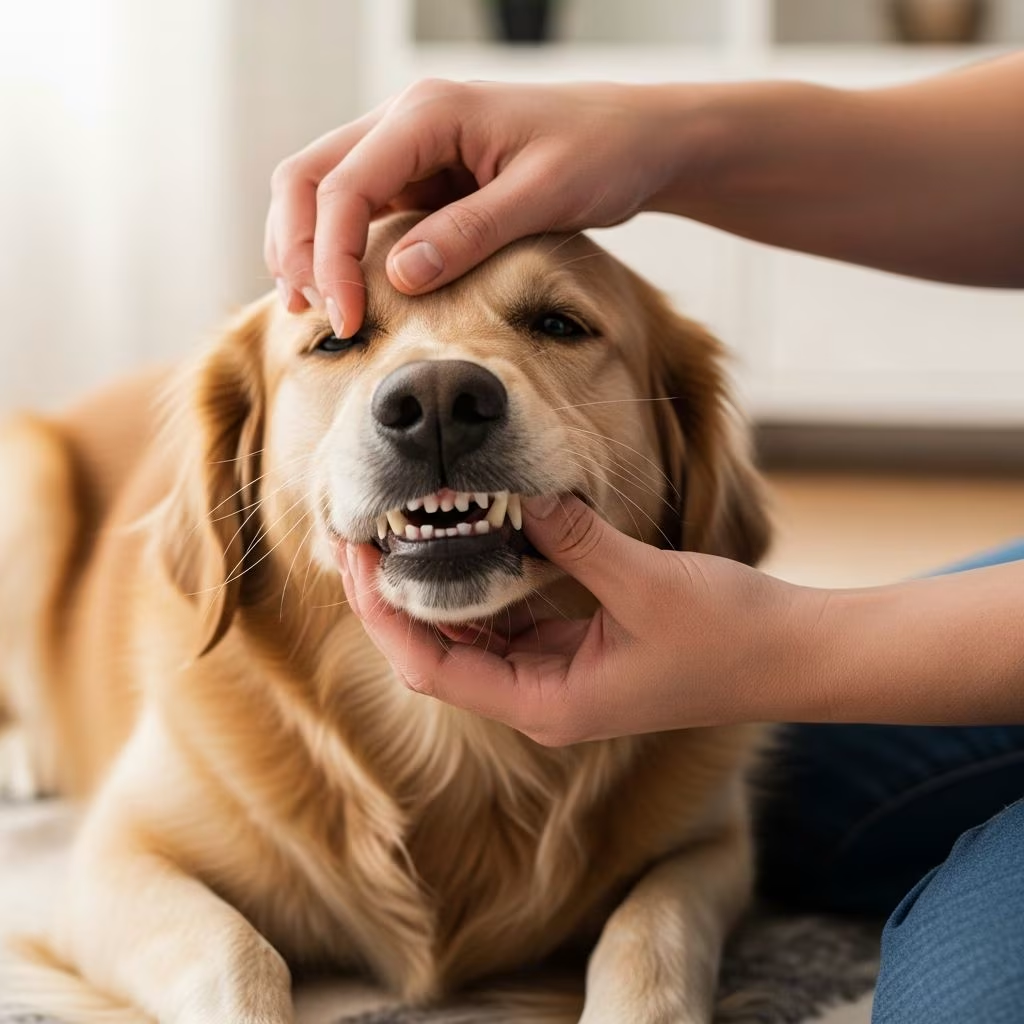
Performing regular at-home physical exams on your dog is a simple yet powerful way to monitor their health and catch potential issues early. This owner’s manual guides you through the basics: assessing posture, taking temperature, and checking heart rate. By establishing what is normal for your dog when they are healthy, you can spot changes quickly.
Regular checks help pet owners build confidence in recognizing abnormalities. Veterinarians recommend doing these exams periodically, especially when nothing seems wrong, to familiarize yourself with your dog’s baseline. Early detection can be lifesaving.
Get Started with the Basics
Before touching your dog, take a step back and observe them in their relaxed home environment. Spend a few minutes just watching their posture, breathing, activity level, and overall appearance. This mental snapshot of your dog’s “normal” will help you notice subtle changes over time.
Look for:
- Posture: Is your dog standing squarely with weight evenly distributed on all four legs? Abnormal postures like shifting weight, hunching, or favoring one side may indicate pain or injury.
- Breathing: Observe the rise and fall of the chest. It should be smooth and regular without effort or wheezing.
- Activity level: Note if they are alert, playful, or lethargic compared to usual.
- General appearance: Check for shiny coat, bright eyes, and normal gait.
Capturing this baseline is crucial. For example, a dog that normally bounces around might show early illness through subtle lethargy.
Assessing Your Dog’s Posture
Stand your dog up if possible and view them from the side, front, and back. A healthy dog holds its head up, back straight, and tail relaxed. Limping, head tilting, or arched back are red flags. Gently encourage movement to watch their walk—smooth strides without dragging or stiffness are ideal.
If you notice asymmetry, such as one hip lower than the other, it could signal hip dysplasia or injury. Document these observations weekly to track patterns.
Discovering Your Dog’s Normal Temperature
A dog’s normal body temperature ranges from 100°F to 102.5°F (37.8°C to 39.2°C). Temperatures above 103°F indicate fever; below 99°F suggests hypothermia. Use a digital rectal thermometer for accuracy.
Steps to take your dog’s temperature:
- Gather supplies: digital thermometer, petroleum jelly or water-based lubricant, gloves, treats.
- Lubricate the tip generously.
- Have a helper hold the dog gently or distract with treats.
- Lift the tail and insert the thermometer 1 inch for small dogs, 2 inches for larger breeds. Hold in place until it beeps (about 10-30 seconds).
- Record the reading and clean the thermometer.
Practice when your dog is calm. Normal variations occur with activity or stress, so take multiple readings over time to establish baseline. Abnormal temperatures warrant immediate vet attention—fever might signal infection, while low temps could mean shock.
Obtaining a Heart Rate for Your Dog
Adult dogs have a resting heart rate of 60-160 beats per minute (BPM), puppies up to 220 BPM. Feel the pulse where the femoral artery runs along the inner thigh, near the groin.
How to check heart rate and pulse:
- Heart rate: Place your hand on the left side of the chest, just behind the elbow. Count beats for 15 seconds and multiply by 4.
- Pulse: Slide fingers into the groin area, feel the strong pulse. Count similarly.
Listen with a stethoscope if available for rhythm irregularities like murmurs. Rates over 160 BPM at rest or weak pulses may indicate pain, dehydration, or heart issues.
Combine this with capillary refill time: Press gums until white, release—color should return in under 2 seconds. Slow refill suggests poor circulation.
Gum Color and Hydration Check
While checking vitals, inspect gums: they should be pink and moist, not pale, blue, or sticky. The skin turgor test assesses hydration—pinch skin on the neck into a tent; it should snap back instantly. Slow return indicates dehydration.
Why Regular Exams Matter
Consistent at-home exams empower owners to act fast. For instance, a rising heart rate or fever caught early can prevent serious illness. Always consult your vet for abnormalities—these checks complement, not replace, professional care.
Expand your skills with the full series:
- Part 2: Head Exam (Eyes, Ears, Nose, Mouth) – Check for infections, discharge, dental issues.
- Part 3: Thorax (Neck, Chest, Breathing, Skin) – Assess respiratory rate, skin hydration.
- Part 4: Stomach and Skeleton – Palpate abdomen for lumps, check joints and gait.
Frequently Asked Questions (FAQs)
What is a normal temperature for my dog?
A normal dog temperature is 100-102.5°F. Use a rectal thermometer and monitor for changes.
How do I find my dog’s heart rate?
Feel the femoral pulse in the groin or listen to the chest. Resting rate: 60-160 BPM for adults.
Can I do a full physical exam at home?
Yes, start with basics like vitals and observation. Practice regularly and see a vet for concerns.
What if my dog’s temperature is high?
Temperatures over 103°F require vet attention. Causes include infection or heatstroke.
How often should I check my dog’s vitals?
Monthly or when noticing changes. Establish baselines during wellness.
Normal Vitals Table
| Vital Sign | Normal Range | Abnormal Signs |
|---|---|---|
| Temperature | 100-102.5°F | >103°F (fever), <99°F (hypothermia) |
| Heart Rate (Adult) | 60-160 BPM | >160 BPM at rest, irregular rhythm |
| Respiratory Rate | 10-30 breaths/min | >40 or labored |
| Gum Refill Time | <2 seconds | >2 seconds (poor circulation) |
This table summarizes key vitals for quick reference during exams.
By mastering these foundational steps, you’re equipping yourself to keep your dog healthier longer. Practice often, note trends, and partner with your vet for comprehensive care.
References
- DIY Physical Exam Part 1 — How to Check Your Dog’s Vitals — Kinship. 2023. https://www.kinship.com/uk/dog-health/diy-physical-exam-owners-manual-your-dog-part-1
- DIY Pet Physical Exam: How to Check Your Dog’s Breathing & Skin — Kinship. 2023. https://www.kinship.com/dog-health/diy-physical-exam-owners-manual-your-dog-part-3
- DIY Physical Exam Part 4—How to Examine Your Dog’s Stomach and Skeleton — Kinship (Dr. Shea Cox, DVM). 2023. https://www.kinship.com/dog-health/diy-physical-exam-owners-manual-your-dog-part-4
- Performing a DIY Physical Exam on Your Dog — The Honest Kitchen. 2024-01-14. https://www.thehonestkitchen.com/blogs/pet-wellness/performing-a-diy-physical-exam-on-your-dog



