

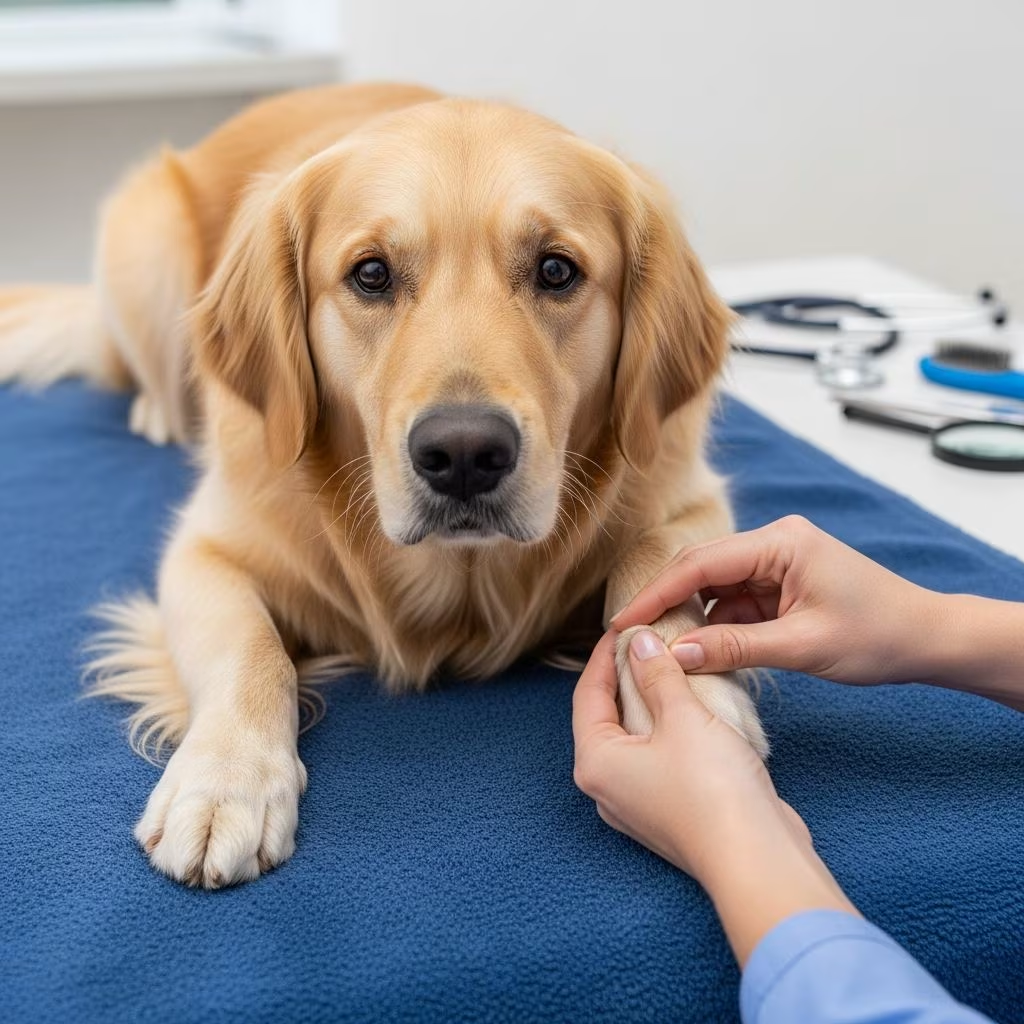
Performing a regular at-home physical exam on your dog is a simple yet powerful way to monitor their health and detect potential issues early. This guide, the first in a series, focuses on the foundational steps: observing posture and general appearance, measuring body temperature, and checking heart rate and pulse. By establishing what is normal for your dog when they are healthy, you can quickly identify changes that warrant a vet visit.
Regular checks empower pet owners to act proactively. Veterinary experts emphasize that early recognition of abnormalities can significantly improve outcomes and even save lives. This exam requires no special equipment beyond a thermometer and a watch, making it accessible for all dog owners.
Get Started with the Basics
Before touching your dog, take a step back and observe them in their relaxed home environment. Spend a few minutes simply watching their posture, breathing, activity level, and overall demeanor. This ‘mental snapshot’ of your dog’s normal behavior is crucial for spotting subtle changes later.
Look for:
- Posture: Is your dog standing or sitting symmetrically? Note any head tilt, limping, or reluctance to move.
- Breathing: Observe the chest rising and falling smoothly without effort or noise.
- Activity level: Compare to their usual energy—lethargy or hyperactivity can signal issues.
- General appearance: Check coat shine, eye brightness, and alertness.
Abnormalities like labored breathing, asymmetry, or dull eyes should prompt a vet consultation. Practice this observation weekly to build familiarity.
Assessing Your Dog’s Temperature
A dog’s normal rectal temperature ranges from 100°F to 102.5°F (37.8°C to 39.2°C), varying slightly by size and activity. Temperatures above 103°F indicate fever; below 99°F suggests hypothermia—both require immediate vet attention.
Steps to take temperature:
- Gather a digital rectal thermometer (lubricant like petroleum jelly, treats for rewards, and restraint help if needed).
- Lubricate the tip generously.
- Gently lift the tail and insert 1 inch for small dogs or 2 inches for large breeds.
- Hold in place for 1-2 minutes or until it beeps; reward your dog immediately.
Perform this when your dog is calm, ideally during a routine check. Track readings over time to know their baseline.
Finding Your Dog’s Heart Rate and Pulse
Dogs’ heart rates vary by breed and size: puppies 160-200 bpm, small adults 100-140 bpm, large adults 60-100 bpm at rest. Feel the pulse where arteries are accessible: inner thigh (femoral), under the wrist (radial, harder in large dogs), or gumline.
How to check heart rate:
- Place your hand on the chest behind the left elbow; feel beats for 15 seconds and multiply by 4.
- Count during exhalation for accuracy.
Locating the pulse:
- Femoral: Slide fingers into the groin where the hind leg meets the body; feel the strong pulse.
- Gums: Press gently on upper gums near canines.
A weak, rapid, or irregular rate signals problems like pain or heart disease. Practice on a calm dog for reliable results.
Why Regular DIY Exams Matter
Beyond vitals, these checks build your confidence in pet health monitoring. The full series covers head (eyes, ears, nose, mouth), thorax (neck, chest, breathing, skin), abdomen, and musculoskeletal system. Consistency turns observation into instinct, catching issues like infections or dehydration early.
For example, a skin turgor test (pinch skin on neck; should snap back instantly) reveals hydration status. Lumps, pain on palpation, or abnormal vitals demand professional evaluation.
Table: Normal Vital Signs by Dog Size
| Parameter | Puppies/Small Breeds | Medium Breeds | Large/Giant Breeds |
|---|---|---|---|
| Rectal Temperature (°F) | 100-102.5 | 100-102.5 | 100-102.5 |
| Resting Heart Rate (bpm) | 160-200 | 100-140 | 60-100 |
| Respiratory Rate (breaths/min) | 15-40 | 15-30 | 10-30 |
Note: These are guidelines; consult your vet for breed-specific norms.
Frequently Asked Questions (FAQs)
Q: How often should I do a DIY physical exam on my dog?
A: Weekly for observation, monthly for hands-on vitals checks, or anytime you notice changes.
Q: What if my dog’s temperature is high?
A: Above 103°F is a fever—cool them, offer water, and contact your vet immediately.
Q: Can I use an ear thermometer instead of rectal?
A: Ear thermometers are less accurate for dogs; stick to rectal for reliability.
Q: My dog’s heart rate seems fast—what should I do?
A: Recheck when calm; if persistently high or irregular, see a vet promptly.
Q: Is it safe to palpate my dog’s abdomen at home?
A: Yes, gently, but stop if they show pain and consult a vet.
Next Steps in the Series
This is Part 1—continue with Part 2 (head exam for eyes, ears, nose, mouth), Part 3 (thorax: neck, chest, breathing, skin), and Part 4 (abdomen and skeleton) to complete your skills.
Always consult your veterinarian for concerns. Early detection through these exams can prevent serious health issues.
References
- DIY Physical Exam Part 1 — How to Check Your Dog’s Vitals — Kinship (Dr. Shea Cox, DVM). 2023. https://www.kinship.com/dog-health/diy-physical-exam-owners-manual-your-dog-part-1
- DIY Pet Physical Exam: How to Check Your Dog’s Breathing & Skin — Kinship (Dr. Shea Cox, DVM). 2023. https://www.kinship.com/dog-health/diy-physical-exam-owners-manual-your-dog-part-3
- DIY Physical Exam Part 4—How to Examine Your Dog’s Stomach and Skeleton — Kinship (Dr. Shea Cox, DVM). 2023. https://www.kinship.com/dog-health/diy-physical-exam-owners-manual-your-dog-part-4
- DIY Physical Exam Part 2 — How to Check Your Dog for Infections — Kinship (Dr. Shea Cox, DVM). 2023. https://www.kinship.com/dog-health/diy-physical-exam-owners-manual-your-dog-part-2
- Performing a DIY Physical Exam on Your Dog — The Honest Kitchen. 2023. https://www.thehonestkitchen.com/blogs/pet-wellness/performing-a-diy-physical-exam-on-your-dog



