

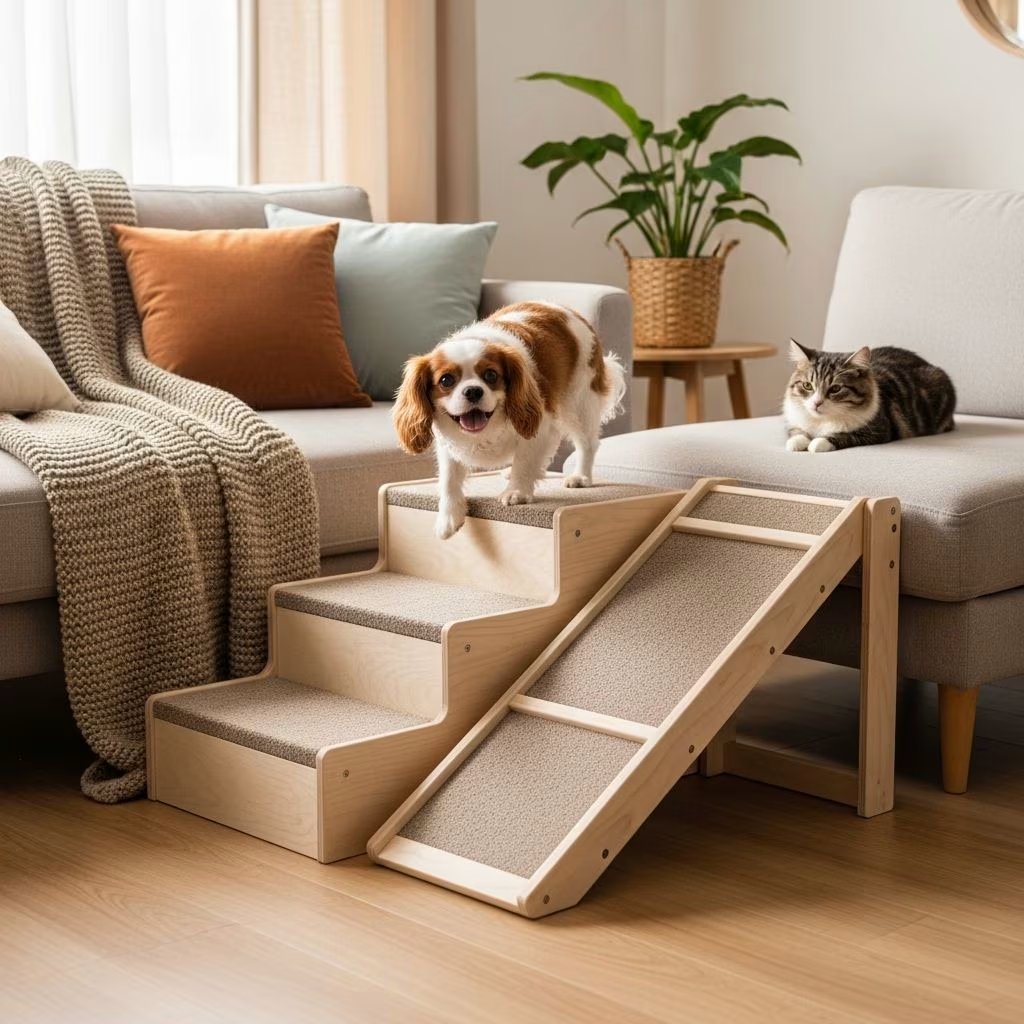
Creating custom pet steps and ramps at home offers a practical way to enhance your furry friend’s mobility, particularly for aging pets, small breeds, or those recovering from injuries. These homemade solutions provide gentle support for joints, reduce strain from jumping, and fit seamlessly into your living space.
Why Pets Need Mobility Assistance
Many pets face challenges accessing furniture, vehicles, or elevated areas due to physical limitations. Senior dogs and cats often develop arthritis or hip dysplasia, making jumps painful and risky. Short-legged breeds like dachshunds and corgis risk back injuries from repeated impacts, while small toys such as Chihuahuas struggle with height. Post-surgery recovery or obesity further limits movement, emphasizing the need for supportive aids that promote joint health and prevent long-term damage.
Ramps offer a smooth incline that minimizes leg lifting and impact, ideal for larger or arthritic pets. Steps, mimicking human stairs, suit agile smaller animals but require more joint flexion. Custom DIY versions allow personalization for size, weight capacity, and aesthetics, ensuring safety and comfort.
Assessing Your Pet’s Mobility Requirements
Before building, evaluate your pet’s needs. Consider age, breed, weight, and health conditions. For dogs with arthritis, ramps are gentler as they avoid high steps that stress ligaments and cartilage. Active small breeds may thrive on compact steps that encourage light exercise. Measure the height of target surfaces like beds (typically 20-30 inches) and your pet’s leg length to design appropriate inclines or riser heights.
- Health factors: Arthritis or dysplasia favors low-angle ramps (rise over run ratio under 1:4).
- Breed specifics: Long-backed dogs need impact-free options to protect spinal discs.
- Size and weight: Ensure structures support at least 1.5 times pet weight for stability.
- Behavior: Train shy pets on gradual inclines; energetic ones handle steps well.
Materials for Durable DIY Builds
Select sturdy, pet-safe materials. Plywood forms the core for both ramps and steps, paired with 2×4 lumber for framing. Cover surfaces with carpet remnants or anti-slip rug pads to prevent slips, crucial on wood or tile floors. Use wood glue, screws, and brackets for secure assembly. For outdoor or vehicle use, weatherproof with sealant. Budget options under $50 include scrap wood from pallets, foam for lightweight cushions, and rope for textured grip.
| Item | Purpose | Cost Estimate |
|---|---|---|
| Plywood (1/2-inch, 4×8 sheet) | Base and treads | $20-30 |
| 2×4 Lumber | Supports and sides | $10-15 |
| Carpet or Non-Slip Mat | Grip surface | $5-10 |
| Screws, Glue, Brackets | Assembly | $5 |
| Paint/Sealant (optional) | Finish and protection | $10 |
Building Basic Pet Steps
Pet steps are compact, perfect for bedside or sofa access. Aim for 4-6 inch risers for small pets, 6-8 inches for medium ones. Start with a rectangular box frame using 2x4s for each step level.
- Cut plywood for treads (18×12 inches per step) and sides.
- Assemble frames: Notch 2x4s for stacking, secure with glue and screws.
- Attach treads, then cover with carpet stapled underneath.
- Add rubber feet for floor grip and test stability.
This design supports up to 100 lbs, expandable for heavier pets. Customize height to match furniture; for a 24-inch bed, use four 6-inch steps.
Constructing a Simple Pet Ramp
Ramps provide continuous support, best for cars or high beds. A 4-foot ramp for 24-inch height ensures a gentle 1:3 slope. Use plywood hinged for folding storage.
- Cut plywood to 48×16 inches; brace underside with 2×4 ribs every 12 inches.
- Attach side rails (2x2s) to prevent side slips.
- Glue and staple carpet, adding extra at top/bottom transitions.
- Install L-brackets for anchoring to surfaces.
For portability, add handles and lightweight foam core. These excel for senior pets, reducing joint strain entirely.
Advanced DIY Projects for Specific Needs
Adjustable Modular Steps
Build stackable units with interlocking notches, allowing height reconfiguration. Ideal for growing puppies or multi-pet homes. Each module: 12x18x8 inches, covered in washable fabric.
Folding Car Ramp
Vehicle access demands sturdy, lightweight builds. Hinge two 4-foot sections with piano hinge, reinforce with aluminum angles for 200 lb capacity. Non-slip astro-turf ensures traction in wet conditions.
Cushioned Orthopedic Ramp
For arthritic cats or dogs, layer high-density foam between plywood sheets, then upholster. This absorbs minor shocks, promoting comfort on longer inclines.
Safety Features Every Build Must Include
Stability prevents accidents. Anchor ramps/steps with straps or weights. Non-slip surfaces are non-negotiable—test by dragging a towel across. Round edges to avoid paw injuries, and limit ramp angles to 30 degrees max. Regularly inspect for loose screws or wear, especially with heavy use. Train pets gradually with treats, starting at low heights.
- Weight testing: Load with sandbags exceeding pet weight.
- Anti-tip design: Wide base wider than top.
- Cleaning ease: Removable covers for hygiene.
Maintenance and Longevity Tips
Extend usability by vacuuming surfaces weekly and tightening hardware monthly. Reseal wood annually for moisture resistance. For carpeted tops, spot-clean with pet-safe solutions. Store foldables upright to avoid warping. With care, these aids last years, supporting ongoing mobility.
Cost Comparison: DIY vs. Store-Bought
| Type | DIY Cost | Store Cost | Benefits of DIY |
|---|---|---|---|
| Basic Steps (3-tier) | $30-50 | $80-150 | Custom fit, paint match |
| Bedside Ramp | $40-60 | $100-200 | Adjustable angle |
| Car Ramp | $50-80 | $150-300 | Heavy-duty without premium price |
DIY saves 50-70%, plus the satisfaction of personalization.
Frequently Asked Questions
What angle is best for a pet ramp?
Ideal is 18-25 degrees (1:4 to 1:3 rise:run) for ease without bulk.
Can cats use dog ramps?
Yes, but narrower widths (12 inches) and softer surfaces suit feline balance.
How do I train my pet to use steps?
Use positive reinforcement: Lure with treats up one step at a time over days.
Are wooden builds safe for chewing pets?
Apply bitter spray and monitor; opt for metal edges if needed.
What’s the max weight for plywood ramps?
1/2-inch plywood holds 150-200 lbs with bracing; reinforce for larger pets.
Enhancing Pet Health Through Mobility
Beyond access, these aids encourage activity, combating obesity and muscle loss. Vets recommend them for joint preservation, especially in breeds prone to dysplasia. Integrate with supplements or low-impact play for holistic care.
References
- Pet Ramps vs. Pet Stairs: Which One Is Best for Your Dog? — Aria Wood Designs. 2024. https://ariawooddesigns.com/blogs/pet-wellness-journal/pet-ramps-vs-pet-stairs-which-one-is-best-for-your-dog
- Dog Ramp vs Dog Stairs Pros & Cons 2025 — Viva Essence Pet. 2025. https://vivaessencepet.com/blogs/furry-facts/dog-ramp-vs-dog-stairs
- Does My Dog Need Dog Stairs or a Dog Ramp? — PetMD. 2024. https://www.petmd.com/dog/general-health/does-my-dog-need-dog-stairs-dog-ramp
- A Dog Ramp versus Dog Stairs — Doggo Ramps. 2024. https://doggoramps.com/blogs/dogs/dog-ramp-versus-dog-stairs
- Does Your Dog Need Dog Stairs or a Ramp? — American Kennel Club (AKC). 2023. http://www.akc.org/expert-advice/home-living/dog-stairs-and-ramps/
- Does Your Dog Need A Ramp Or Stairs? — Orvis. 2024. https://www.orvis.com/does-your-dog-need-a-dog-ramp-or-dog-stairs.html



