

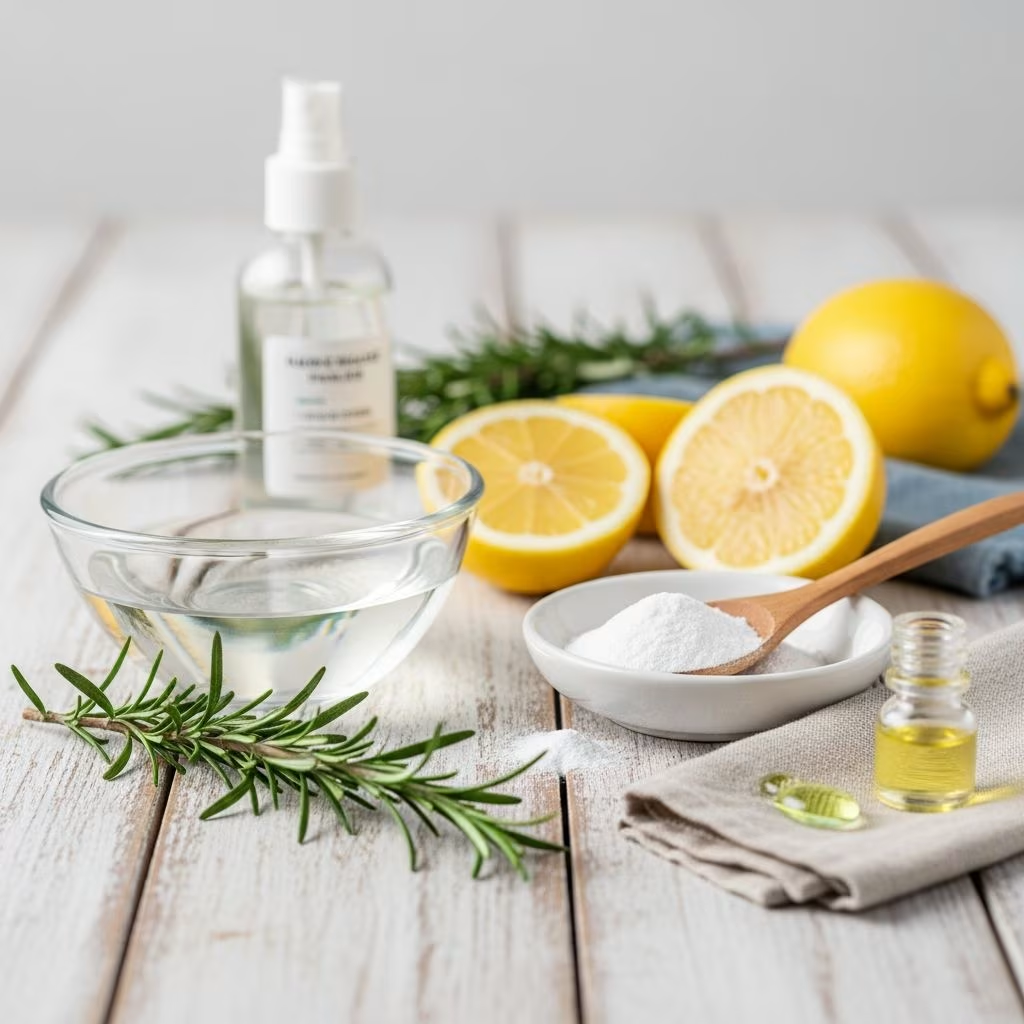
DIY Pet Odor Eliminator: Natural Solutions for Fresh-Smelling Homes
Pet odors can be one of the most challenging aspects of pet ownership. Whether your furry friend has had an accident, left their bed smelling less than fresh, or simply contributed to a general mustiness in your home, dealing with pet odors is a common struggle for pet parents everywhere. While commercial pet odor eliminators are readily available at pet stores and online retailers, many contain harsh chemicals that can be harmful to your pets and family. Fortunately, there are numerous effective and natural DIY pet odor eliminator solutions that you can make right in your own kitchen using common household ingredients.
Creating your own pet odor eliminators not only saves money but also gives you complete control over what products your pets and family are exposed to. Many of these recipes use ingredients like baking soda, vinegar, hydrogen peroxide, and essential oils—all of which have natural odor-neutralizing and antibacterial properties. This comprehensive guide will walk you through various DIY pet odor eliminator recipes and techniques that will help keep your home smelling fresh and clean, even with multiple pets in the house.
Understanding Pet Odors and Their Causes
Before diving into solutions, it’s important to understand where pet odors come from. Pet odors typically result from urine, feces, vomit, and the natural oils and bacteria on your pet’s skin and fur. These odors can become embedded in carpets, furniture, and pet bedding, creating a persistent problem that requires more than just surface cleaning.
Baking soda is one of the most effective natural ingredients for odor elimination because it works by absorbing and neutralizing odor-causing compounds rather than simply masking them with fragrance. Hydrogen peroxide acts as a disinfectant that kills the bacteria responsible for producing odors. When combined, these ingredients create a powerful duo that tackles pet odors at their source.
Basic DIY Pet Odor Eliminator Spray
One of the simplest and most versatile DIY pet odor eliminators is a basic spray that can be used on furniture, rugs, curtains, and even in the air. This recipe is gentle enough to use frequently and effective enough to tackle most pet odors.
Ingredients and Materials
- 1 tablespoon of baking soda
- 2 cups of warm water
- 5-10 drops of your favorite essential oil (lavender is a popular choice)
- 1 spray bottle
Instructions
Start by adding the baking soda to your spray bottle, followed by the warm water. Shake the bottle vigorously until the baking soda is completely dissolved. Add your chosen essential oil—if you prefer a light scent, use fewer drops; if you want a stronger fragrance, add more. Seal the bottle tightly and shake well to combine all ingredients. Your pet odor spray is now ready to use. Apply it liberally to any areas where pet odors are present, including furniture, rugs, curtains, and your pet’s bedding. For best results, use this spray regularly, especially in high-traffic areas where your pet spends the most time.
Hydrogen Peroxide-Based Pet Odor Eliminator
For more stubborn odors, particularly those caused by pet urine or vomit, a hydrogen peroxide-based solution provides stronger odor elimination and antibacterial action. This recipe is highly effective at killing the bacteria that produce odors.
Ingredients and Materials
- 2 cups of hydrogen peroxide (3% solution)
- 2 teaspoons of baking soda
- ½ teaspoon of dishwashing liquid
- 1 spray bottle
Instructions
Fill your spray bottle with the hydrogen peroxide first. Add the baking soda and dishwashing liquid to the bottle. Instead of shaking, gently swirl the bottle to combine the ingredients—shaking will cause excessive foaming. If you’re dealing with furniture or upholstery, use this solution in the spray bottle format. For carpets or rugs, you can pour the mixture into a bowl and soak the affected area. Allow the solution to sit on the stained area for several minutes before blotting with clean cloths. Hydrogen peroxide is particularly effective at eliminating urine odors because it breaks down the uric acid crystals that cause the smell. Always test this solution on a hidden area of your carpet or furniture first to ensure it doesn’t cause discoloration.
Vinegar and Baking Soda Paste for Pet Stains
The combination of vinegar and baking soda creates a powerful chemical reaction that effectively breaks down pet stains and neutralizes odors. This method works particularly well for fresh accidents.
Ingredients and Materials
- 2 cups of white distilled vinegar
- 2 cups of water
- 4 tablespoons of baking soda
- Spray bottle (optional)
- Clean cloths or rags
Instructions
Mix the white distilled vinegar and water in a large bowl. Pour this mixture into a spray bottle or keep it in a bowl for direct application. Blot out as much of the stain as possible using a clean cloth or paper towels. Spray or pour your vinegar and water mixture directly onto the stain. You’ll notice it begins to fizz—this is the chemical reaction working to break down the stain. Once the fizzing subsides, sprinkle baking soda over the affected area. Continue lightly spraying the stain and blotting it with clean rags, repeating until the stain is completely removed. Be careful not to over-saturate the area, as excessive moisture can lead to mold growth. This method is excellent for treating accidents on carpets and works well for both fresh and set-in stains.
Pet Bed Odor Buster
Pet beds are notorious for trapping odors because they absorb moisture and body oils from your pets. While washing pet beds regularly is important, using a specialized treatment can help eliminate odors between washes.
Simple Baking Soda Treatment
For a quick and easy solution, simply sprinkle baking soda generously over your pet’s bed and let it sit for 15-30 minutes. The baking soda will absorb odors from the fabric. Vacuum up the baking soda thoroughly, ensuring no residue is left behind. For added fragrance, you can mix baking soda with a few drops of essential oil before applying it to the bed. Let this mixture sit for the same amount of time before vacuuming.
Enhanced Baking Soda Mix
For stronger odor elimination, combine 1 cup of baking soda with 1 tablespoon of ground cinnamon in a shaker container (an empty parmesan cheese container works perfectly). Ensure your pets are away from the area, as cinnamon can irritate their respiratory systems. Sprinkle this mixture over the bed and let it sit for 30 minutes to an hour. Vacuum thoroughly to remove all residue. Your pet’s bed will smell fresh without any chemical odors.
Stovetop Air Freshener for Pet Odors
Rather than just treating specific areas, you can freshen your entire home’s air using natural ingredients simmered on the stovetop. This method fills your home with pleasant, natural scents that mask and help eliminate pet odors.
Ingredients and Materials
- 1 sliced orange
- 1 sliced lemon
- 1 bay leaf
- 2 cinnamon sticks
- 4 whole cloves
- 2 sprigs of rosemary (optional)
- 1 medium pot
- Water
Instructions
Slice your fresh citrus fruits and gather all your dried ingredients. Place them in a medium pot and fill it halfway with water. Put the pot over low heat and allow the mixture to simmer. The longer it simmers, the more fragrance it releases into your home. Some pet parents let their simmer all day, adding water as needed to maintain the liquid level. As the mixture simmers, your house will fill with pleasant, natural aromas that help counteract pet odors. This method is completely safe for pets and family members, making it an excellent complement to your other odor elimination efforts.
Carpet Odor Treatment
Carpets are particularly prone to trapping pet odors because they’re porous and absorb moisture, sweat, and urine. Regular treatment of carpeted areas is essential for maintaining a fresh-smelling home.
Cinnamon-Scented Carpet Freshener
Mix 1 cup of baking soda with 1 tablespoon of ground cinnamon in a shaker container. Before applying, ensure your pets are not in the room, as cinnamon can cause respiratory irritation. Start by testing the mixture on a small, inconspicuous area of your carpet. Sprinkle the mixture generously over the affected area and let it sit for one hour. Vacuum thoroughly to remove all residue. If you’re satisfied with the results, repeat the process on other odorous areas of your carpet. This method not only eliminates odors but also leaves your carpets smelling like fresh cinnamon.
Heavy-Duty Carpet Stain Treatment
For stubborn, set-in carpet stains, combine ¼ cup of white vinegar, ¼ cup of salt, and ¼ cup of borax to create a paste. Blot out the stain as much as possible, then apply the paste using a brush if necessary. Allow the mixture to dry completely, which may take several hours. Once dry, vacuum the area thoroughly to remove all residue. This powerful combination tackles even the toughest pet stains and odors.
Considerations and Safety Tips
While DIY pet odor eliminators are generally safe, there are several important considerations to keep in mind. Always test any new solution on a hidden area of your carpet, furniture, or rug before applying it to visible areas, as some solutions can cause discoloration. Never mix vinegar with hydrogen peroxide or bleach, as this creates dangerous chemical compounds. Ensure your pets are not in the room when using certain ingredients like cinnamon or borax, and always allow treated areas to dry completely before allowing pets back into the space. If your pet has a history of sensitivity to certain scents or ingredients, consult with your veterinarian before using essential oils or other aromatics in your home.
Additional Tips for Maintaining a Fresh-Smelling Home
Beyond using DIY odor eliminators, there are several steps you can take to maintain a fresher-smelling home. Wash your pet’s bedding regularly—at least once weekly—using hot water to kill odor-causing bacteria. Vacuum your home frequently, particularly in areas where your pets spend the most time. Consider using washable rugs instead of permanent carpeting in high-traffic pet areas, as these can be regularly laundered. Ensure your pets have regular baths and grooming sessions to reduce body odors. Improve air circulation in your home by opening windows on pleasant days and using fans. Clean litter boxes daily if you have cats, and take steps to house-train your dogs to reduce accidents.
Frequently Asked Questions (FAQs)
Q: Can I use essential oils directly on my pet’s skin?
A: No, essential oils should never be applied directly to your pet’s skin or fur. They can be toxic if ingested during grooming and may irritate sensitive skin. Essential oils should only be used in diluted sprays applied to furniture, bedding, and other surfaces, never on your pet directly.
Q: How often should I use these DIY odor eliminators?
A: The frequency depends on the severity of odors in your home. For light odors, using these treatments weekly is usually sufficient. For homes with multiple pets or persistent odors, using treatments two to three times per week may be necessary. Adjust based on your specific situation.
Q: Are these DIY solutions safe for puppies and kittens?
A: Most DIY odor eliminators are safe for puppies and kittens, but exercise caution with young animals. Avoid using cinnamon and borax around very young pets, and always test solutions on small areas first. Keep pets out of treated areas until they are completely dry.
Q: Can I use tap water instead of distilled water in these recipes?
A: Yes, tap water works fine for most recipes. However, if you have hard water, it may eventually clog your spray bottle. Distilled water is preferable for longer-term storage solutions to prevent mineral buildup in sprayers.
Q: Will these treatments work on pet urine that has already set in?
A: Yes, these treatments are effective on both fresh and set-in stains. For stubborn, long-established odors, you may need to apply treatments multiple times or use the stronger hydrogen peroxide or borax-based solutions.
Q: How should I store leftover DIY odor eliminator solutions?
A: Store in clearly labeled, airtight containers away from direct sunlight. Most solutions remain effective for several weeks when stored properly. Hydrogen peroxide-based solutions should be stored in dark bottles to prevent degradation from light exposure.
References
- 4 DIY Dog Odor Remover Recipes — Thousand Hills Pet Resort. 2024. https://www.thousandhillspetresort.com/post/4-diy-dog-odor-remover-recipes
- DIY Natural Spray to Eliminate Pet Odors — Brentwood Home. 2024. https://www.brentwoodhome.com/blogs/news/natural-spray-to-eliminate-pet-odors
- DIY Cat Stain & Odor Remover That Actually Works — Hill’s Pet Nutrition. 2024. https://www.hillspet.com/cat-care/routine-care/diy-cat-stain-odor-remover
- What Is the Best Homemade Odor Eliminator: 7 DIY Solutions You Can Make Now — Rabbit Air. 2024. https://www.rabbitair.com/blogs/air-purifier/what-is-the-best-homemade-odor-eliminator-7-diy-solutions-you-can-make-now
- 6 Eco-Friendly Recipes for Pet Stains — Purple Fig Eco Cleaning. 2024. https://purplefigcleaning.com/6-eco-friendly-recipes-for-pet-stains/
- Homemade Odor Eliminator — Bitz & Giggles. 2024. https://bitzngiggles.com/homemade-odor-eliminator/



