

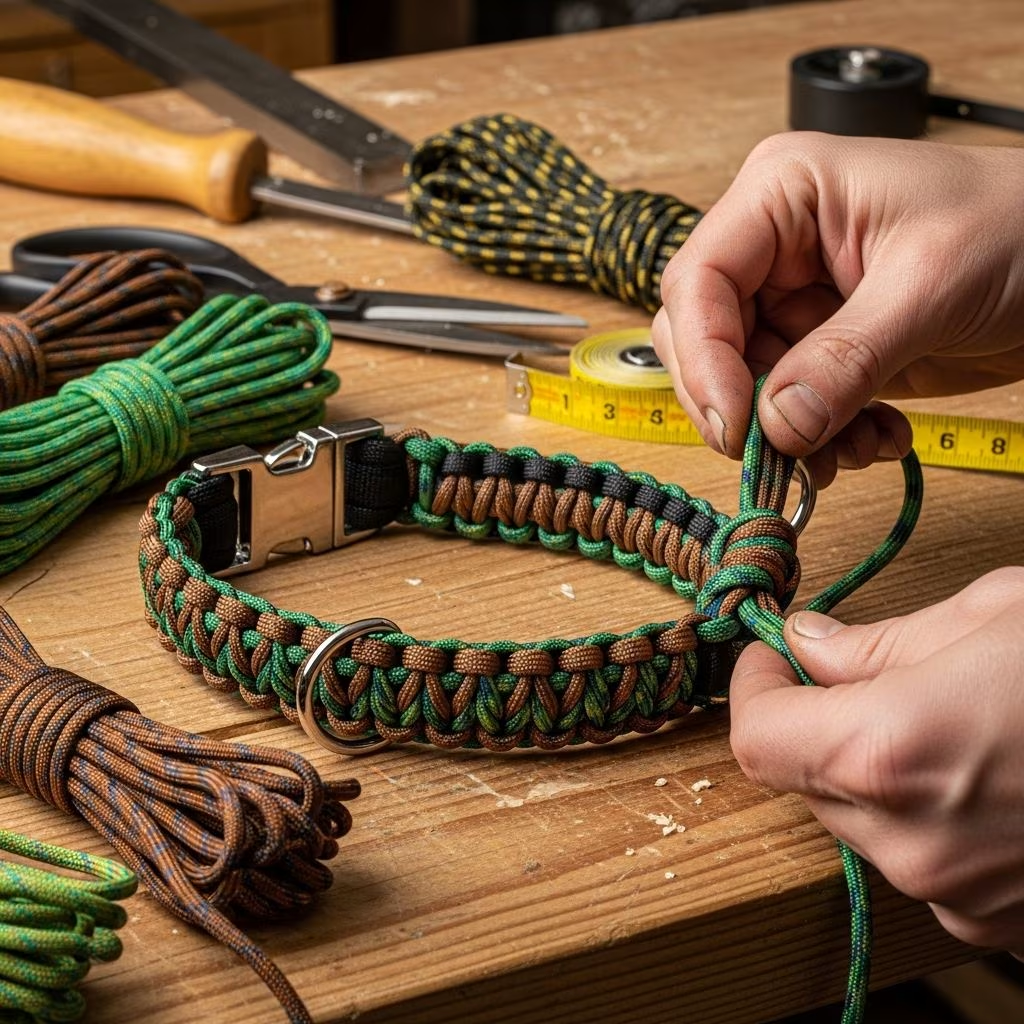
Create a sturdy and stylish dog collar using paracord, a versatile nylon rope known for its strength and flexibility. This project allows pet owners to customize colors and patterns while producing a functional accessory that withstands daily wear.
Why Choose Paracord for Dog Collars?
Paracord, originally developed for parachutes, offers exceptional tensile strength—typically 550 pounds for Type III—making it ideal for pet restraints. Its weather-resistant properties protect against moisture and dirt, ensuring longevity. Unlike leather or nylon webbing, paracord enables intricate weaves like the cobra knot, adding aesthetic appeal without sacrificing durability.
Custom collars fit perfectly, reducing discomfort from ill-sized store-bought options. They also serve as emergency tools, as paracord can be unraveled for its inner strands in survival situations.
Gathering Your Supplies
Assemble these essentials before starting:
- Paracord: 550 Type III, 4-10 mm diameter. Calculate 10-12 feet per inch of collar length for single-color; halve for two colors.
- Buckle or Chain: Plastic or metal side-release buckle sized for your dog’s neck (1-2 inches wide).
- D-Ring: Welded steel for leash attachment, matching buckle width.
- Tools: Scissors, lighter or torch for sealing ends, measuring tape.
- Optional: Needle for backstitching, multiple cord colors for patterns.
Length Estimation Table:
| Dog Neck Size (inches) | Single Color Paracord (feet) | Two Colors (feet each) |
|---|---|---|
| 10-12 | 10-14 | 5-7 |
| 14-16 | 14-18 | 7-9 |
| 18-20 | 18-22 | 9-11 |
Add 0.5-1 inch to measurements for adjustment room.
Measuring Your Dog Accurately
Wrap a flexible tape around the dog’s neck at the narrowest point, allowing two fingers’ space for comfort. Note the circumference. Test fit by slipping two fingers under the tape—too tight risks injury; too loose may slip off. For growing puppies, err larger and plan replacements.
Basic Cobra Weave Collar: Step-by-Step
The cobra weave (or Solomon bar) creates a flat, strong pattern. This method uses two fused cords.
- Fuse Cords: Align ends of two paracord pieces. Heat ends evenly in a blue flame until molten, press together. Cool before handling.
- Attach to Buckle: Form a cow hitch: Pass fused end through buckle bar, loop back, pull free end through loop. Tighten.
- Position D-Ring Prep: Slide working ends through D-ring later; secure temporarily.
- First Knot: Cross right cord over center two, behind left cord, forming a loop.
- Second Knot: Pass left cord under center, through right loop. Tighten both evenly.
- Reverse for Balance: Flip project; repeat pattern with left cord over, right under. Maintain tension for uniform knots.
- Continue Weaving: Alternate sides until reaching desired length, minus buckle space.
- Insert D-Ring: Thread onto standing loops before final weaves.
- Finish End: Pass ends through second buckle. Trim excess, seal with heat, pressing flat.
Tighten progressively to avoid bunching. Progress should show interlocking ridges.
Advanced Patterns for Unique Designs
King Cobra Overlay
After base cobra, flip and weave another cobra layer atop for thickness. This doubles strength, ideal for pullers. Use contrasting color for visual pop.
Multi-Color Fishtail
Employ four cords in a switchback weave. Alternate strands over/under for a wavy effect. Requires precise color matching.
Benno’s Happiness Knot
A complex four-strand braid: Start with core hitch, then interlock loops in a happiness pattern. Suited for wider collars; backstitch ends for security.
Pattern Comparison Table:
| Pattern | Difficulty | Strength | Best For |
|---|---|---|---|
| Cobra | Beginner | High | Everyday use |
| King Cobra | Intermediate | Very High | Large dogs |
| Fishtail | Intermediate | Medium | Decorative |
| Benno’s Happiness | Advanced | High | Custom fits |
Safety Considerations and Maintenance
Inspect regularly for frays, especially at rings. Paracord withstands chewing better than fabric but isn’t chew-proof. Supervise active pets initially. Avoid submerging in saltwater without rinsing. Hand-wash with mild soap; air-dry. Replace if inner strands show.
For pullers, reinforce with backstitching: Use fid or needle to weave ends through collar body multiple times.
Troubleshooting Common Issues
- Uneven Knots: Maintain consistent tension; undo and retighten from start.
- Insufficient Length: Measure weave drop (1 inch cord yields ~0.5 inch weave).
- Frayed Ends: Seal immediately after trimming; use gloves for hot work.
- Slipping Buckle: Ensure cow hitch is offset from stress points.
Customization Ideas
Match breeds: Slim cobra for small dogs, thick king cobra for hounds. Add reflective cord for night safety. Embed ID tags in weaves. Pair with matching leashes using same knots.
Cost and Time Breakdown
Materials cost $10-20. Time: 1-3 hours based on pattern. Beginners finish basic cobra in under 90 minutes.
Frequently Asked Questions
Can paracord collars be used for walks?
Yes, they handle leashes well via D-rings, but monitor for heavy pulling.
Is paracord safe for puppies?
Grow into adjustable sizes; avoid tiny breeds under 5 lbs without vet check.
How do I remove paracord stains?
Wipe with rubbing alcohol; test small area first.
What’s the strongest weave?
King cobra with backstitching for maximum hold.
Can I machine-wash the collar?
No; hand-clean to preserve knots.
Conclusion
Crafting a paracord dog collar blends creativity with practicality, yielding a tailored item your pet will wear proudly. Experiment with patterns to perfect your style.
References
- DIY: Paracord Dog Collar — Fashion Meets Food. 2014-03-07. https://fashionmeetsfood.com/2014/03/07/diy-paracord-dog-collar/
- Make a Paracord Dog Collar — Instructables. N/A. https://www.instructables.com/Make-A-Paracord-Dog-Collar/
- Paracord Dog Collar Tutorial—Easy! — YouTube (Paracord Planet). N/A. https://www.youtube.com/watch?v=cHUvUpXE3Xs



