

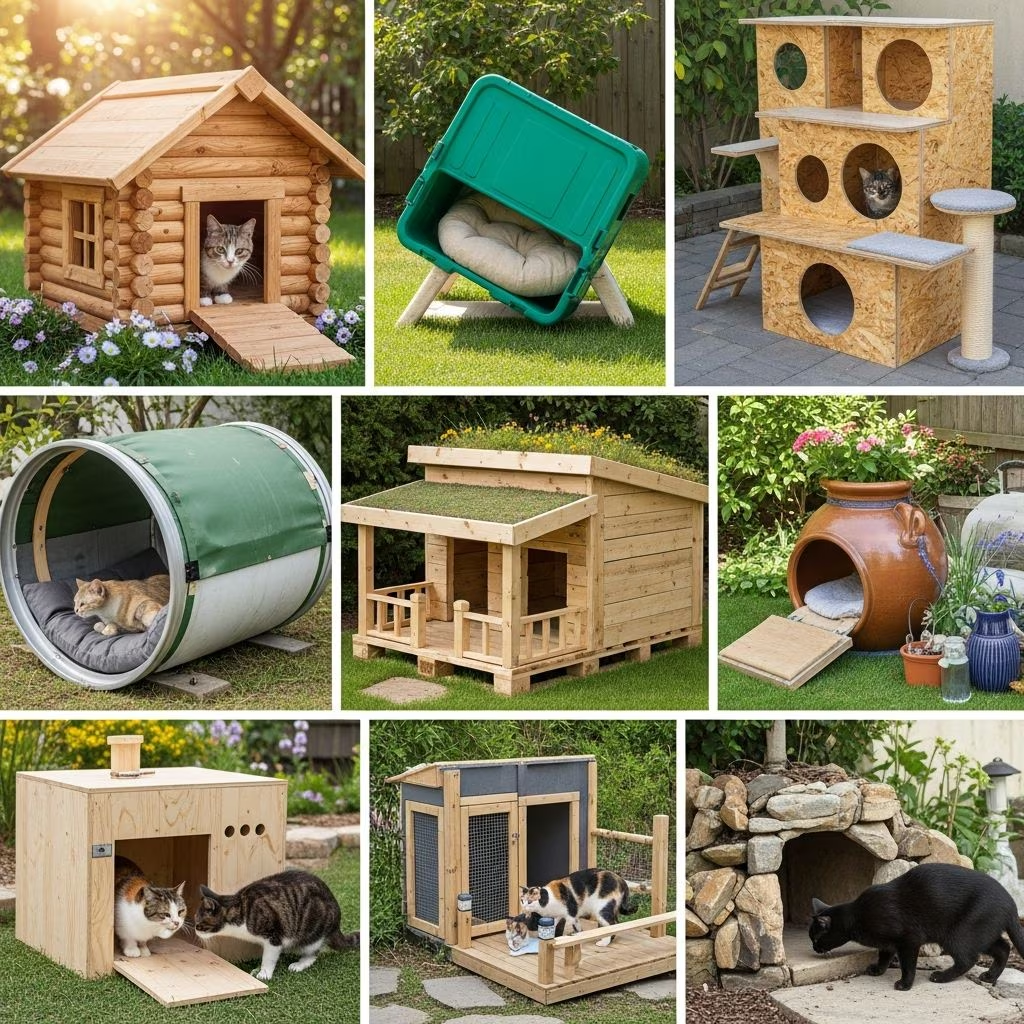
If your cat lives outdoors or you care for a colony of feral cats, providing a warm, dry shelter during harsh weather is essential. These 9 DIY outdoor cat house plans offer weatherproof solutions using affordable, easy-to-find materials. From innovative cooler designs to sturdy wooden structures, most are beginner-friendly and customizable. Get started building today to protect outdoor kitties from rain, snow, and cold.
Reasons to Build a DIY Outdoor Cat Shelter
Creating your own outdoor cat house saves money compared to store-bought options, often costing under $50. You can customize size, insulation, and features to suit your space and the cats’ needs. DIY shelters are durable, eco-friendly when using recycled materials, and provide immediate protection for strays, ferals, or neighborhood cats.
- Cost-effective: Use household items like plastic totes or pallets to keep expenses low.
- Customizable: Adjust for single cats or colonies, add doors, ramps, or heating.
- Quick to build: Many projects take just 1-2 hours with basic tools.
- Humane solution: Insulates against cold, prevents flooding, and offers escape routes from predators.
DIY “Smart” Outdoor Cat House
This innovative shelter repurposes an old cooler into a heated, weatherproof home. Add a pet-safe heating pad for extra warmth in extreme cold. Ideal for covered areas like porches or barns where electricity is accessible.
Materials:
- Large plastic cooler with lid
- Pet-safe heating pad
- Straw bedding
- Heavy brick or weight for lid security
- Tarp for weatherproofing (optional)
Tools:
- Utility knife or saw
- Measuring tape
Difficulty Level:
Easy
Steps:
- Cut a 6×6-inch doorway in the cooler’s side, elevated 4 inches from the bottom to prevent water entry.
- Line the bottom with straw for insulation—avoid blankets as they retain moisture.
- Place the heating pad inside, ensuring it’s pet-safe and plugged in securely.
- Secure the lid with a brick; cover with a tarp for rain protection.
This shelter isn’t fully waterproof but excels in sheltered spots. Total cost: ~$30, mostly for the heating pad.
DIY Double-Decker Cat House
A multi-level wooden shelter with storage for food bowls below and cozy sleeping quarters above. Customizable height and paint to match your yard.
| Materials | Tools | Difficulty |
|---|---|---|
| Plywood, 4×4 posts, 2×4/2×2 boards, screws, Reflectix insulation, paint, cedar shingles | Power saw, drill, level, measuring tape | Moderate |
Detailed plans guide cuts, but measure wood precisely. Insulate walls with Reflectix for warmth. Build time: 4-6 hours. Great for multiple cats.
Fit-to-Size Cat Shelter
Customize this simple wooden box to your cat’s size using found materials like scrap plywood. Vague measurements allow flexibility for beginners.
- Key features: Elevated floor, sloped roof for runoff, small entry hole.
- Cost: Free if using scraps.
- Tools: Basic saw, hammer, nails.
Easy for novices; add insulation for winter use.
Two-Door Cat House
Designed for safety with dual doors for escape routes from predators. Perfect for cold climates like Canadian winters; built with reclaimed items.
| Materials |
|---|
| Plywood, 2×2 boards, screws, insulation, reclaimed cat doors, hinges, straw |
Difficulty: Moderate. Family-friendly project with clear photos. Add solar lights for nighttime visibility.
DIY Wood Pallet Cat House
Eco-friendly two-level shelter from deconstructed pallets. Bottom enclosed, top open for lounging or feeding. Fully customizable sizes.
- Pros: Free materials, sturdy, ventilated.
- Build tips: Sand edges; seal with outdoor paint.
DIY Insulated Tote Cat House
Simple, affordable bin shelter lined with foam for superior insulation. Uses nested plastic totes; ideal for emergencies.
Materials:
- 30-gallon tote + lid
- 18-gallon tote + lid
- Fiberglass insulation or 1-inch foam board
- Duct tape, expanding foam
Tools:
- Fine-toothed saw, utility knife
Difficulty Level:
Easy
Step-by-Step Instructions:
Cut a 6×6-inch doorway in the large tote’s side, 4-6 inches from the bottom. Smooth jagged edges with duct tape.
Line the large tote’s floor and sides with foam insulation for snug fit.
Place small tote inside to mark alignment; remove and cut matching doorway.
Tape small tote’s edges; nestle inside large tote, aligning doors.
Fill gaps with insulation pieces or expanding foam, especially around entrance.
Stuff small tote with straw; secure lids with tape or bungee cords.
Cost: $45. Provides excellent thermal protection; elevate on bricks.
DIY Elevated Scratching Post Cat House
Raised shelter with ramp and sisal scratching post. Best for mild climates; detailed miter saw instructions for beginners.
- Tools: Miter saw (rentable), drill.
- Time: 3-5 hours.
Simple Heated Cooler Cat House
Variation on the smart house; quick emergency shelter with heating pad. Place under cover.
Tips for Success and Cat Safety
Always elevate shelters 4-6 inches on bricks or blocks to avoid floods. Use straw—not blankets—for bedding as it insulates better and dries quickly. Position away from wind but near feeding stations. Monitor for usage and refresh straw weekly. For colonies, build multiple entrances.
- Insulate thoroughly to retain body heat.
- Add flap doors for extra weatherproofing.
- Secure against tipping or predators.
Frequently Asked Questions (FAQs)
What materials insulate best for outdoor cat houses?
Styrofoam, Reflectix, or rigid foam boards trap heat effectively. Straw bedding is ideal; avoid fabrics that hold moisture.
How high should the doorway be?
Position 4-6 inches above ground to prevent water entry while allowing easy access.
Can I heat an outdoor cat shelter?
Yes, use pet-safe heating pads in enclosed coolers or totes with power access. Never leave unattended.
Are wooden cat houses better than plastic?
Wood is durable and customizable but requires sealing; plastic totes are cheaper and naturally insulated.
How do I protect from raccoons or predators?
Add dual doors, secure lids, and place in open areas. Use metal flaps on entrances.
References
- How to Build an Insulated DIY Outdoor Cat House — Catster. 2023-01-15. https://www.catster.com/lifestyle/how-to-build-a-diy-insulated-cat-house/
- 9 DIY Outdoor Cat House Plans You Can Make Today (With Pictures) — Catster. 2023-11-20. https://www.catster.com/lifestyle/diy-outdoor-cat-house-plans/
- Building Winter Shelters for Community Cats — Alley Cat Advocates. 2022-10-01. https://alleycatadvocates.org/creating-winter-shelters/



