DIY Ombre Rope Dog Leash: Create Custom Pet Gear
Learn how to craft a beautiful ombre rope dog leash at home with simple materials and easy techniques.
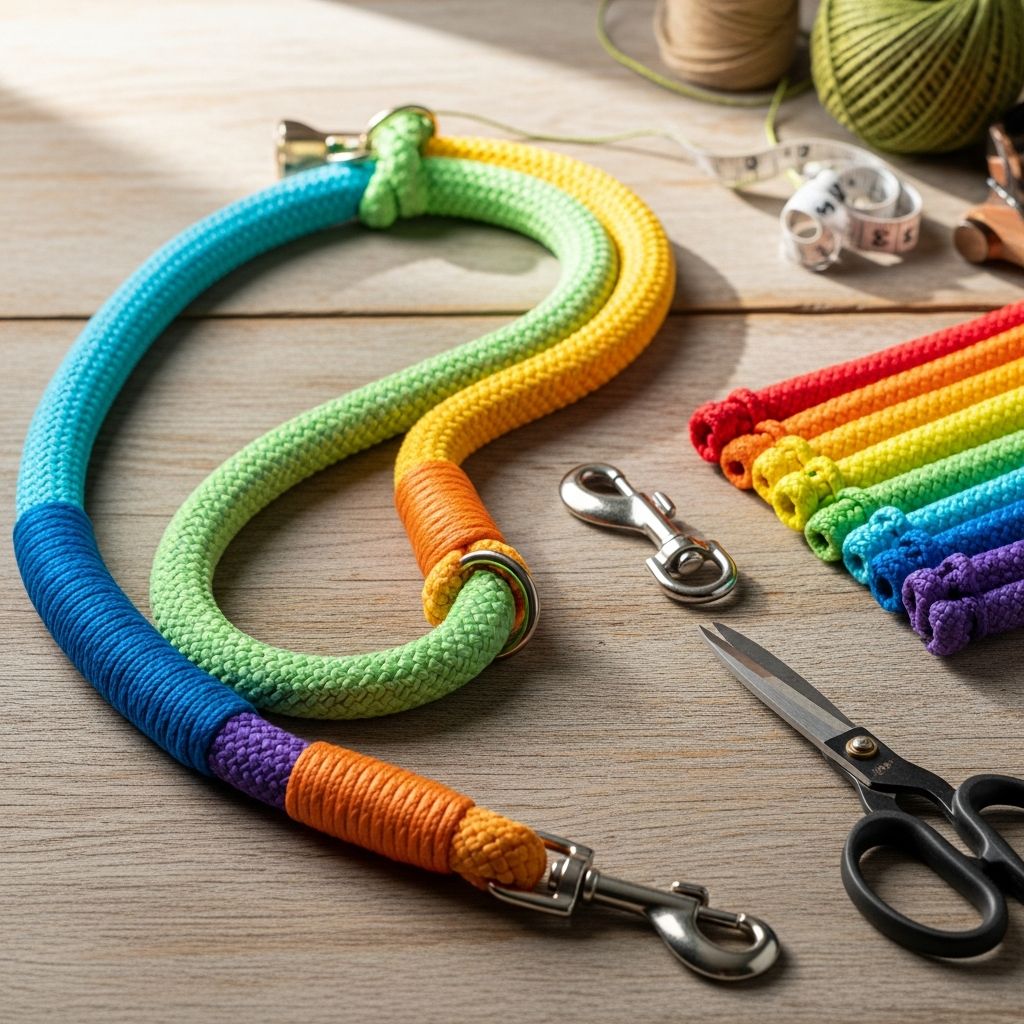
DIY Ombre Rope Dog Leash: A Complete Guide to Crafting Custom Pet Gear
Creating your own dog leash is a rewarding DIY project that combines craftsmanship with practical functionality. An ombre rope dog leash adds a personal touch to your pet’s accessories while giving you complete control over design, materials, and durability. Whether you’re a seasoned crafter or picking up a new hobby, making an ombre rope leash is an achievable project that yields professional-quality results. This guide will walk you through everything you need to know to create a beautiful, functional leash that your dog will love and you’ll be proud to display.
Why Choose an Ombre Rope Dog Leash?
An ombre rope leash offers several advantages over mass-produced alternatives. First, it allows for complete customization in terms of color, length, and style. You can select rope colors that match your personal aesthetic or coordinate with your pet’s collar. Second, creating your own leash ensures you understand the quality and strength of materials used, providing peace of mind about your dog’s safety. Third, handmade leashes make excellent gifts for fellow dog lovers, showing thoughtfulness and effort. Finally, the process itself is therapeutic and enjoyable, offering a break from screen time while producing something tangible and useful.
Materials and Tools You’ll Need
Before starting your ombre rope leash project, gather all necessary materials and tools. Having everything prepared will make the process smooth and enjoyable.
Essential Materials
- Paracord or nylon rope (550lb Type III paracord recommended for durability)
- Two strands of 16-foot rope sections for a standard leash
- Metal snap latch or carabiner connector
- Dye or fabric paint (for creating the ombre effect)
- Water or appropriate dye solvent
- Lighter or heat source for sealing rope ends
Required Tools
- Sharp scissors or utility knife
- Paper clip (for weaving assistance)
- Measuring tape or ruler
- Drying rack or surface
- Protective gloves (if using dyes)
- Newspaper or protective covering for work surface
Choosing Your Rope and Colors
The foundation of your ombre leash starts with selecting the right rope. Paracord is the ideal choice because it combines strength with flexibility, making it comfortable to hold and durable enough to withstand daily use. The 550lb Type III paracord is specifically designed for load-bearing applications and provides excellent strength-to-weight ratio. When selecting colors for your ombre effect, choose hues that blend smoothly together. Popular combinations include navy blue fading to white, gray transitioning to pink, or forest green gradually becoming sage. Consider your dog’s personality and your home décor when making color selections.
Step-by-Step Instructions for Creating Your Ombre Rope Leash
Step 1: Prepare Your Rope and Dye
Start by cutting two 16-foot strands of paracord. This length provides enough material to create a 4 to 5-foot finished leash with a comfortable handle. If you prefer a longer or shorter leash, adjust your rope length accordingly. Melt the cut ends slightly with a lighter to prevent fraying—be careful not to hold the flame too long, as excessive melting will damage the rope. Prepare your dye by mixing it with water or the appropriate solvent according to package directions. Different sections of your rope will spend varying amounts of time in the dye to create the gradient effect.
Step 2: Create the Ombre Effect
To achieve the ombre effect, you’ll need to dye your rope in stages. Start by soaking the first section (approximately 2-3 feet) in the darkest dye concentration for the full recommended time. Remove this section and allow it to dry completely on a clean surface or drying rack. Next, prepare a lighter concentration of dye by adding more water. Soak the next section (another 2-3 feet) in this lighter mixture. Finally, soak the remaining section in an even lighter concentration or simply rinse it to create the lightest end of the ombre. This graduated approach creates a smooth color transition from dark to light across your leash.
Step 3: Dry and Prepare for Braiding
Once all sections have been dyed, allow the entire rope to dry completely before proceeding. Depending on humidity and rope thickness, this may take 24 to 48 hours. Ensure the rope is completely dry to prevent mold or discoloration. After drying, lay out your rope and review the ombre effect. The color gradation should flow smoothly from one end to the other. If you’re satisfied with the result, you’re ready to begin the braiding process.
Step 4: Begin the Four-Strand Braid
For the braiding technique, you’ll create a four-strand braid with your rope. Start by folding your dyed rope in half to find the midpoint. Arrange both strands so they’re parallel, creating essentially four working strands. Begin braiding by taking the rightmost strand and crossing it over the two middle strands to the left. Then take the leftmost strand and cross it over to the right. Continue this pattern, maintaining even tension throughout. The four-strand braid creates a rope that’s thicker, more robust, and visually striking than a simple two-strand twist.
Step 5: Create the Handle Loop
As you near the end of your braiding, with about 10 inches of loose cord remaining, fold this section around to create the main body of the leash. You want to leave a loop that comfortably fits your hand—typically 4 to 5 inches in diameter. This handle should be sized to your preference; test by making a loop with your fingers and measuring what feels natural. Use a paper clip to temporarily hold the loose ends in place while you work on incorporating them back into the leash structure.
Step 6: Weave and Secure the Loose Ends
With the paper clip holding your loose ends, begin weaving or splicing them back into the main body of the leash. This process involves threading the loose paracord strands back through the braid pattern, effectively disappearing them into the leash structure. This not only creates a neater appearance but also reinforces the connection point. Take your time with this step, ensuring the loose ends are fully incorporated and secured. The woven-in ends will be protected from unraveling and provide additional durability at this crucial junction.
Step 7: Attach the Metal Snap Latch
Once your braid is complete and the loose ends are secured, attach the metal snap latch or carabiner to the opposite end from your handle. This connector is what will attach to your dog’s collar. Most snap latches have an opening where you can loop the end of your leash through and secure it with several tight wraps of extra paracord or thread. Alternatively, if using a carabiner, simply clip it through the looped end. Ensure this connection is extremely secure, as this is the point that bears the most stress during daily use. Reinforce with additional wrapping if needed.
Step 8: Final Sealing and Finishing Touches
Carefully seal any remaining frayed ends by briefly passing them near a lighter flame. Be gentle—you want to melt the fibers just enough to seal them without burning the rope. Check the entire leash for any loose threads or weak points. Gently tug on different sections to ensure everything is secure. Your finished leash should feel sturdy, look beautiful with its ombre gradient, and be ready for immediate use.
Design Variations and Customization Options
Color Combinations
While ombre effects in traditional color gradients are stunning, consider experimenting with different color combinations. Try sunset colors ranging from orange to pink to yellow, or cool tones moving from turquoise to purple to blue. You can also create reverse ombre effects, starting light and ending dark, or multi-color ombre leashes with three or more distinct color transitions.
Braiding Patterns
Beyond the four-strand braid, explore other patterns such as six-strand braids for a more complex design or even incorporate alternating braid styles along the length of the leash. Each pattern offers different aesthetic and handling characteristics, allowing you to customize the leash to your exact preferences.
Handle Customization
Enhance your handle with additional features such as a wrapped leather grip, reflective tape for visibility, or even small bells or charms that add personality and functionality. These additions make your leash unique and can serve practical purposes like improving night visibility or adding sound identification.
Care and Maintenance of Your DIY Leash
Your handmade ombre rope leash will provide years of reliable service with proper care. Regularly inspect the leash for signs of wear, particularly at the snap latch connection and handle areas. Clean your leash periodically by rinsing with water and mild soap, then allowing it to air dry completely. Avoid using harsh chemicals or bleach, as these can fade the ombre effect and weaken the rope fibers. Store your leash in a dry location away from direct sunlight to preserve the color vibrancy. Replace the snap latch if it becomes damaged or worn, as this is an easily replaceable component.
Troubleshooting Common Issues
Uneven Color Distribution
If your ombre effect appears blotchy or uneven, this may result from uneven dye saturation or inconsistent drying times. For future projects, ensure rope is fully submerged during dyeing and stir occasionally for even color absorption. Allow adequate time between dyeing stages for complete drying.
Loose Braiding
If your braid appears loose or uneven, maintain consistent tension throughout the braiding process. Practice with scrap rope first if you’re new to braiding. Keep your hands at a consistent distance from the working area and pull each strand with equal force.
Fraying Rope Ends
Excessive fraying indicates insufficient sealing. Use the lighter more deliberately to melt the fibers slightly. Alternatively, wrap the end tightly with waxed thread before sealing to provide additional reinforcement against fraying.
Frequently Asked Questions (FAQs)
Q: How long does it take to make an ombre rope leash?
A: The actual braiding and assembly takes 30 minutes to an hour, but the total project time is 2-3 days when accounting for drying time. Most of this is passive drying time—the hands-on work is relatively quick.
Q: Can I use this method for leashes in different sizes?
A: Absolutely! Adjust the initial rope length based on your desired finished leash length. Add approximately 2 feet to account for the handle loop and weaving. Standard leashes range from 4-6 feet, but you can make them longer or shorter based on your needs.
Q: Is paracord safe for all dog sizes?
A: Yes, 550lb Type III paracord is exceptionally strong and suitable for dogs of all sizes. The 550lb rating refers to its breaking strength, making it far more durable than needed for most dogs. However, always ensure your leash is properly constructed with secure connections.
Q: Can I wash my finished leash?
A: Yes, you can rinse your leash with cool water and mild soap. Avoid hot water or harsh chemicals. Always air dry completely to maintain the rope’s integrity and appearance.
Q: What if I don’t have experience with braiding?
A: Braiding is a learnable skill! Start by practicing with yarn or rope scraps. Watch video tutorials to understand the four-strand braiding technique. Most people master the technique after one or two practice attempts.
Q: How durable is a handmade ombre rope leash?
A: When properly constructed with quality materials like 550lb paracord and secure connections, your handmade leash will be as durable as commercial alternatives, often more so. Many users report their DIY leashes lasting several years with regular use.
Q: Can I make matching collars and leashes?
A: Yes! Using the same rope or complementary colors, you can create matching sets. This creates a cohesive look and makes an impressive gift set for dog lovers.
References
- Make a Paracord Dog Leash — Four Oaks Crafts. Accessed November 2025. https://www.fouroakscrafts.com/make-a-paracord-dog-leash/
- 20 DIY Dog Leashes You Can Make Today (With Pictures) — Hepper. Accessed November 2025. https://articles.hepper.com/diy-dog-leashes/
- How to Make Your Own Dog Leash — Outside Magazine. Accessed November 2025. https://www.outsideonline.com/outdoor-gear/hiking-gear/make-your-own-dog-leash/
- DIY Dog Leash using Fabric Scraps and Nylon Webbing — Tara Reed. Accessed November 2025. https://tarareed.com/diy-dog-leash/
- Make a BioThane dog leash with paracord | DIY kit instructions — Paracord.eu Blog. Accessed November 2025. https://blog.paracord.eu/post/126-make-a-dog-leash-paracord-diy-kit-instructions
- DIY Waterproof Dog Lead Tutorial — The Canine Story. Accessed November 2025. https://www.thecaninestory.com/post/diy-waterproof-dog-lead-tutorial
Similar Articles




Read full bio of Sneha Tete