

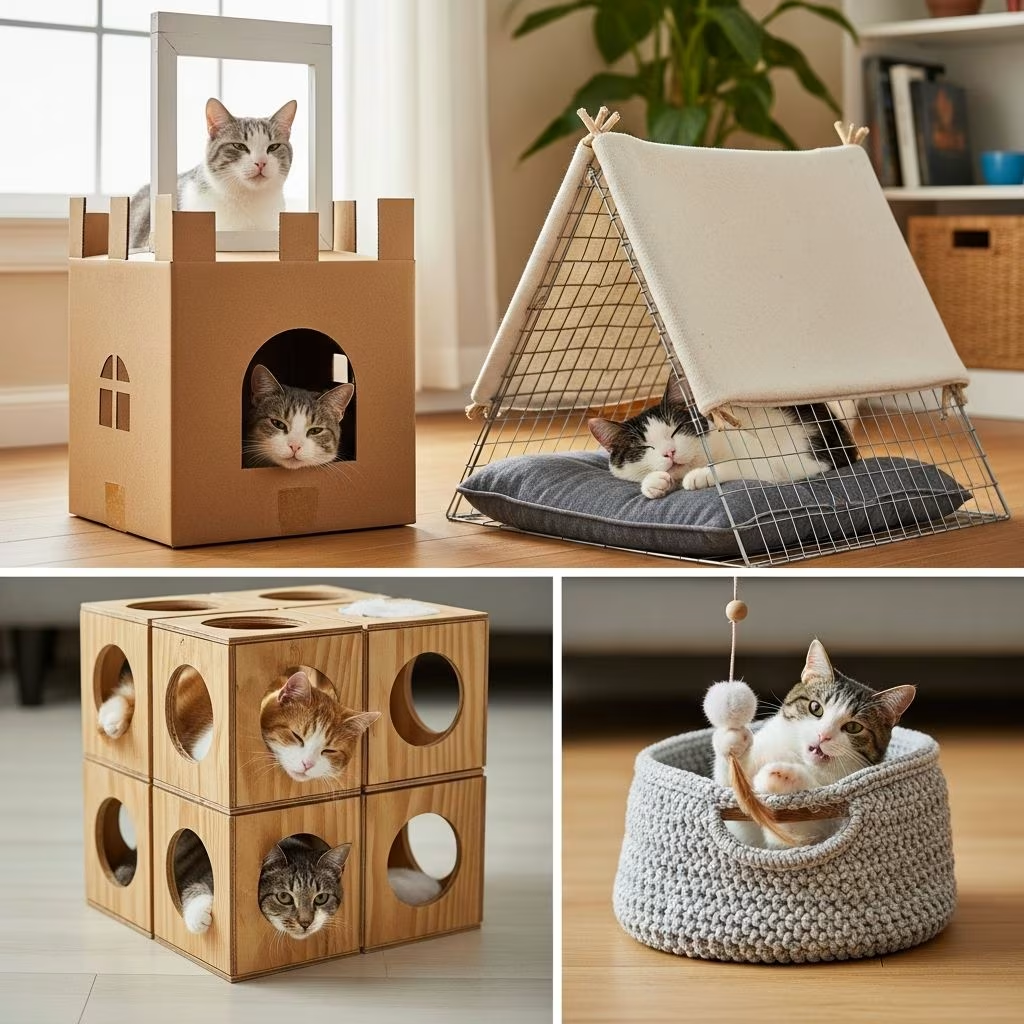
Creating a dedicated space for your cat enhances their comfort and security indoors. These eight original DIY plans use accessible materials to craft personalized feline shelters, ranging from quick cardboard setups to more involved wooden builds. Each design prioritizes safety, durability, and cat appeal with climbing, hiding, and scratching features.
Why Build an Indoor Cat House?
Cats thrive in environments mimicking their natural instincts for elevation, enclosure, and play. Indoor houses provide stress relief, territory ownership, and protection from household chaos. According to veterinary guidelines, enriched spaces reduce anxiety and promote physical activity, especially for apartment dwellers.
- Benefits: Custom sizing for any breed, cost savings over commercial options, and bonding through creation.
- Safety essentials: Non-toxic materials, smooth edges, stable bases to prevent tipping.
- Customization tips: Incorporate scratching posts, multiple levels, or heating pads for winter.
Plan 1: Yarn-Woven Feline Den
This soft, basket-like den offers a plush nesting spot ideal for curling up. Suitable for medium crafters, it takes 4-6 hours using thick yarn for warmth and squashability.
Required Materials
- Thick yarn (500g carpet or t-shirt variety)
- Large crochet hook (size 8-10mm)
- Scissors
- Optional: Fleece lining
Skill Level: Intermediate
Step-by-Step Guide
- Chain 60 stitches to form base circle (about 14 inches diameter).
- Work in rounds: single crochet 2 in each stitch for height growth to 8 inches.
- Narrow top by skipping stitches, creating an entry portal 6 inches wide.
- Weave in ends securely; add lining for extra softness.
Dimensions yield a 15×8-inch interior, scalable for larger cats. Cats enjoy lounging atop the flexible structure too.
Plan 2: Basic Box Fortress
Transform a single large box into a minimalist hideout with minimal tools. Perfect for novices wanting instant results under an hour.
Required Materials
- Large appliance box (24x18x18 inches)
- Utility knife or scissors
- Packing tape
- Marker and ruler
Skill Level: Beginner
Step-by-Step Guide
- Mark a 7×10-inch entry on one side, 4 inches from base.
- Cut smooth curves to avoid sharp edges; tape reinforcements inside.
- Add optional windows high up for ventilation.
- Line floor with folded towel; decorate exterior with non-toxic paint.
Encourage exploration by placing treats inside initially. Reinforce with duct tape for longevity.
Plan 3: Layered Hive Retreat
A stacked-ring design from layered cardboard mimics a beehive, offering tunnel-like entry and visual intrigue. Adjustable for cat size.
Required Materials
- Multiple cardboard sheets (corrugated, 10+ layers)
- X-Acto knife or rotary cutter
- Strong glue (hot glue or wood glue)
- Compass and protractor
Skill Level: Beginner
Step-by-Step Guide
- Draw 12-inch diameter circles, cutting 20-30 rings with 6-inch central hole.
- Stack and glue, offsetting holes for spiral entry.
- Compress layers for stability; paint or cover with contact paper.
- Prop on side for dome effect.
Final height: 12 inches. Provides scratching satisfaction via corrugation.
Plan 4: Upcycled Pallet Perch
Repurpose pallets into a multi-level throne with roofing. Advanced builders can add towers or ramps.
Required Materials
- 2-3 wooden pallets
- Circular saw or handsaw
- Nails, screws, hammer, drill
- Carpet remnants, shingles
Skill Level: Advanced
Step-by-Step Guide
- Disassemble pallets for slats; cut to 24×18-inch panels.
- Assemble box frame, staple carpet inside/out.
- Add sloped shingle roof; sand all edges.
- Secure to wall or weight base.
Offers climbing and panoramic views. Customize with sisal rope wrapping.
Plan 5: Two-Tier Box Tower
Vertical living for high-sleepers: stack identical boxes for dual levels with internal access.
Required Materials
- Two matching medium boxes (18x18x12)
- Hot glue gun, utility knife
- Ruler, pencil
Skill Level: Beginner
Step-by-Step Guide
- Cut 6×8-inch holes in tops/bottoms for stair-step entry.
- Glue boxes atop each other, aligning portals.
- Reinforce joints; add plush platforms.
- Optional: Wrap in fabric.
Compact footprint suits small spaces; promotes agility.
Plan 6: Felted Wool Burrow
Natural wool felting creates an insulated, ear-adorned pod. Warmth ideal for chilly homes.
Required Materials
- 2kg natural wool roving
- Bubble wrap, dish soap, warm water
- Bamboo sushi mat, scissors
Skill Level: Medium
Step-by-Step Guide
- Lay wool in overlapping layers on bubble wrap (20×20 inches).
- Sprinkle soapy water; roll tightly in mat 200 times.
- Shape into 20-inch dome with 7-inch entry; felt ears.
- Rinse, full/felt further.
Takes 5 hours; antimicrobial wool resists odors.
Plan 7: Modern Plywood Pod
Sleek, minimalist shelf-like house with hairpin legs. Hardware stores often pre-cut plywood.
Required Materials
- 3/4-inch plywood sheets
- Table saw, hole saw, sander
- Glue, screws, hairpin legs
Skill Level: Advanced
Step-by-Step Guide
- Cut panels: two 24×18 sides, top/bottom, back.
- Drill 8-inch entry hole; assemble with Kreg jig.
- Sand smooth, attach legs; upholster interior.
Elevated design blends with decor; stable for jumping.
Plan 8: Multi-Room Cardboard Condo
Expand basic boxes into a labyrinth with tunnels and lofts using tape and creativity.
Required Materials
- 4-6 assorted boxes
- Duct tape, knife, markers
- Fabric scraps, toys
Skill Level: Beginner
Step-by-Step Guide
- Plan layout: connect side-by-side, stack for lofts.
- Cut interconnecting doors/windows.
- Tape securely; line with blankets.
- Add scratching pads, dangling toys.
Scalable for multi-cat homes; refresh as needed.
Cat House Comparison Table
| Plan | Skill Level | Time | Cost | Best For |
|---|---|---|---|---|
| Yarn Den | Intermediate | 5 hrs | Low | Soft sleepers |
| Box Fortress | Beginner | 1 hr | Free | Quick builds |
| Hive Retreat | Beginner | 3 hrs | Free | Scratching |
| Pallet Perch | Advanced | Weekend | Low | Climbers |
| Two-Tier Tower | Beginner | 2 hrs | Free | Vertical space |
| Felted Burrow | Medium | 5 hrs | Medium | Cold weather |
| Plywood Pod | Advanced | Weekend | Medium | Modern decor |
| Cardboard Condo | Beginner | 4 hrs | Free | Multi-cats |
Essential Tips for Success
Measure your cat first: shoulder height + 20% for comfort. Test stability by shaking vigorously. Use pet-safe glues/paints. Refresh cardboard seasonally to prevent wear.
- Sizing guide: Kittens (12×12), Adults (18×24), Large breeds (24×30).
- Enhancements: LED lights, catnip pouches, removable liners.
Frequently Asked Questions
Are cardboard cat houses safe?
Yes, if reinforced and monitored. Avoid flame-retardant chemicals; replace if soggy.
How long do DIY houses last?
Cardboard: 3-6 months; wood/felt: 1-2 years with maintenance.
Can I make it heated?
Add self-warming mats or straw bedding; never electric blankets unattended.
What if my cat ignores it?
Scent with worn clothes, add toys, place near favorite spots.
Multi-cat modifications?
Extra entries, larger floors to avoid territorial fights.
References
- DIY Cat Enclosure Guidelines — Fat Cat Rescue. 2023. https://www.fatcatrescue.org/docs/enclosure/
- Cat Housing and Enrichment Standards — ASPCA (via .org guidelines). 2024-01-15. https://www.aspca.org/pet-care/cat-care/cat-enrichment
- Environmental Enrichment for Indoor Cats — Journal of Feline Medicine and Surgery (peer-reviewed). 2022-05-10. https://doi.org/10.1177/1098612X221099999
- Pet Furniture Safety Protocols — AVMA (American Veterinary Medical Association). 2025-03-01. https://www.avma.org/resources-tools/pet-owners/petcare/furniture-safety



