

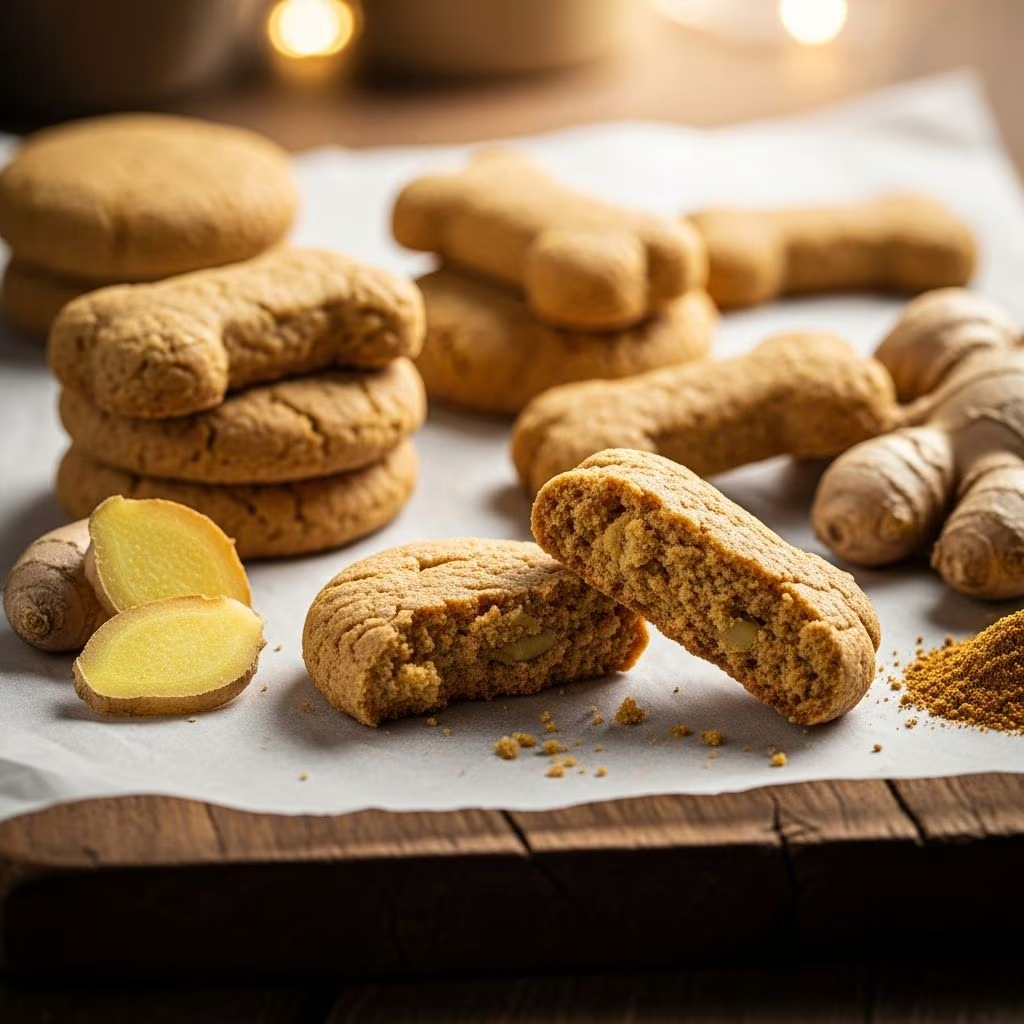
Homemade Ginger Biscuits for Dogs: A Nutritious Treat Your Pup Will Love
Creating homemade treats for your dog is one of the most rewarding aspects of pet parenting. Not only do you have complete control over the ingredients, but you also get to provide your furry companion with nutritious snacks made with love. One particularly beneficial treat you can make at home is ginger biscuits for dogs. These wholesome bites combine the natural healing properties of ginger with simple, dog-safe ingredients to create treats that taste great and support your pet’s overall wellness.
Ginger has long been recognized as a powerful ingredient in both human and veterinary nutrition. The spice brings more than just flavor to your dog’s diet—it brings a wealth of health-promoting benefits that can make a real difference in your pet’s quality of life. If you’re interested in enhancing your dog’s wellness routine with a homemade treat that doubles as a natural remedy, ginger biscuits are an excellent choice.
Understanding Ginger and Its Health Benefits for Dogs
What Makes Ginger So Special?
Ginger is renowned for its ability to soothe upset tummies and relieve nausea in dogs. Whether your pet experiences occasional digestive discomfort or struggles with motion sickness during car rides, ginger has been traditionally used to address these issues. But the benefits extend far beyond simple digestive support.
The powerful healing properties of ginger come from special compounds called gingerols. These phytonutrients are responsible for ginger’s spicy aroma and its impressive health-promoting abilities. When your dog consumes ginger, these active compounds work to support various bodily functions and provide natural therapeutic effects.
Key Health Benefits
Beyond digestive support, ginger is thought to help with several conditions that commonly affect dogs:
– Arthritis and joint pain- Inflammatory diseases- Nausea and motion sickness- Digestive upset and bloating- General inflammatory response
Many pet parents report that ginger treats help their dogs feel more comfortable, particularly older dogs dealing with age-related joint stiffness or younger dogs with sensitive stomachs.
Fresh Ginger vs. Powdered Ginger
When making these biscuits, you’ll want to use fresh ginger root whenever possible. Fresh ginger contains significantly more active gingerols than its powdered counterpart, making it the superior choice for maximizing the health benefits of your homemade treats. However, if you don’t have fresh ginger available, you can substitute dried or powdered ginger—just use about one-quarter the amount of dried ginger as you would fresh ginger. For example, if a recipe calls for 2 tablespoons of fresh ginger, use approximately ½ tablespoon of dried ginger instead.
Complete Ingredient List for Ginger Biscuits
Before you begin baking, gather all your ingredients. This recipe yields nutritious treats that are safe for dogs of all sizes (though you may want to adjust portion sizes for smaller breeds).
– 2 cups whole wheat flour- 1 egg- 2 tablespoons grated fresh ginger (or ½ tablespoon dried ginger)- ⅛ cup honey- ½ cup applesauce (100% natural with no artificial sweeteners)
Important Note: Always check ingredient labels to ensure you’re using unsweetened applesauce with no added xylitol or other artificial sweeteners, as these can be harmful to dogs.
Step-by-Step Instructions for Making Ginger Biscuits
Preparation Phase
Begin by preheating your oven to 350°F. This temperature is ideal for baking dog treats as it allows them to cook through without burning the outer surface. While your oven heats, gather all your ingredients and prepare your workspace with a baking sheet and parchment paper or a silicone baking mat.
Mixing the Wet Ingredients
In a large mixing bowl, combine the egg, honey, applesauce, and grated ginger. Using a whisk or fork, beat these ingredients together vigorously. The goal is to create a well-combined, uniform mixture. The egg will help bind all the ingredients together, while the honey adds a touch of natural sweetness that dogs enjoy. The applesauce contributes moisture and acts as a natural binder, reducing the need for excessive oils or fats.
Adding the Dry Ingredients
Once your wet ingredients are well-mixed, gradually add the whole wheat flour to the bowl. Using your hands or a sturdy wooden spoon, knead the mixture to form a cohesive dough. This step is crucial for developing the right texture in your finished treats.
Pay close attention to the consistency of your dough as you work. If the dough appears too dry and crumbly, add additional applesauce one tablespoon at a time until you achieve a workable consistency. Conversely, if your dough seems too wet and sticky, add additional whole wheat flour in one-tablespoon increments. The ideal dough should hold together when formed but not be so wet that it sticks excessively to your hands or work surface.
Rolling and Cutting
Dust a clean table, cutting board, or baking surface lightly with whole wheat flour to prevent sticking. Transfer your dough to this floured surface and use a rolling pin to roll it out to a thickness of 3 to 5 millimeters. This thickness is ideal—thin enough that the treats bake through completely and become slightly crispy, but thick enough that they maintain some chewiness.
Using your favorite cookie cutters, cut the dough into fun shapes. Dog-shaped cutters are popular, but bone-shaped, heart-shaped, or simple circular cutters work equally well. Place each cut treat onto your prepared baking sheet, spacing them about half an inch apart to allow for even heat distribution during baking.
Baking Process
Place your baking sheet in the preheated 350°F oven and bake for approximately 25 minutes. You’ll know the treats are done when the surface turns golden brown. Keep an eye on them during the final few minutes of baking to ensure they don’t over-bake and become too hard or dark.
Cooling and Storage
Once baking is complete, turn off the oven and leave the treats inside on the cooling rack. This gradual cooling process helps the treats firm up properly and prevents cracking. Allow them to cool completely inside the oven before removing them.
Store your finished ginger biscuits in an airtight container at room temperature. Properly stored treats will remain fresh for up to two weeks. For longer storage, you can freeze them in a freezer-safe container for up to three months.
Nutritional Information
Understanding what your dog is consuming is an important part of responsible pet parenting. This recipe yields treats with the following nutritional profile per full batch:
– Calories: 1,064- Fat: 9.6 grams- Protein: 40 grams- Carbohydrates: 223 grams
These treats are a wholesome addition to your dog’s diet when given in moderation. Remember that treats should comprise no more than 10% of your dog’s daily caloric intake, with the remaining 90% coming from their regular, balanced dog food.
Important Safety Considerations
Pre-Surgery Caution
While ginger offers numerous health benefits, it’s important to be aware of one significant precaution. Ginger acts as a mild blood thinner, which means it can affect blood clotting. Therefore, you should avoid giving your dog any ginger treats or ginger-containing foods for at least one week before any scheduled surgery. Inform your veterinarian if your dog has been consuming ginger regularly so they can make appropriate adjustments to your pet’s pre-operative protocol.
Medical Conditions and Veterinary Consultation
If your dog has any underlying medical conditions, suffers from bleeding disorders, takes blood-thinning medications, or is on any prescription medications, consult with your veterinarian before introducing ginger treats. Your vet can advise you on whether ginger is appropriate for your individual pet and can suggest appropriate serving sizes and frequency.
Allergy Considerations
As with any new food, introduce these ginger biscuits gradually to your dog’s diet. Start by offering a small treat and observe your dog for any signs of allergic reaction or digestive upset. Most dogs tolerate ginger well, but individual sensitivities can vary.
Tips for Success
To ensure your ginger biscuit-baking experience is successful, keep these helpful tips in mind:
– Use fresh ginger when possible: Fresh ginger root provides superior health benefits compared to powdered varieties- Don’t skip the cooling phase: Allowing treats to cool in the oven prevents them from breaking apart- Maintain consistent thickness: Rolling your dough to uniform thickness ensures even baking- Watch for golden brown coloring: This visual cue indicates your treats are perfectly baked- Store properly: An airtight container keeps treats fresh and prevents them from becoming stale
Frequently Asked Questions About Ginger Biscuits for Dogs
Q: Can I make these treats for dogs with sensitive stomachs?
A: Yes, ginger is actually beneficial for dogs with sensitive stomachs. However, introduce the treats slowly and in small amounts. If your dog has a history of severe digestive issues, consult your vet first.
Q: How often can I give my dog these ginger biscuits?
A: You can offer these treats several times per week as part of a balanced diet. Remember that treats should make up no more than 10% of your dog’s daily caloric intake.
Q: Are these treats suitable for puppies?
A: Yes, puppies can enjoy these treats, though you should adjust the size based on their age and breed. Use smaller cookie cutters for toy breeds and puppies. Always supervise to prevent choking hazards.
Q: Can I substitute ingredients in this recipe?
A: While the basic recipe works well, you can experiment with safe additions like pumpkin puree or sweet potato. Avoid chocolate, xylitol, onions, and garlic, which are toxic to dogs.
Q: How long do these treats last?
A: Stored in an airtight container at room temperature, they’ll stay fresh for up to two weeks. Frozen treats last approximately three months.
Q: What should I do if my dog doesn’t like these treats?
A: Not all dogs enjoy ginger’s spicy flavor. You can reduce the amount of ginger or try mixing these treats with peanut butter to make them more appealing.
References
- Ginger Biscuits for Dogs — Chewy Editors. 2024. https://www.chewy.com/education/dog/pet-parenting/pet-parenting-diy-recipes-ginger-biscuits-for-dogs
- Ginger Dog Cookies Recipe for Nausea & Digestive Support — Master Bowie. 2023. https://www.masterbowie.com/2023/06/ginger-dog-cookies-recipe-for-nausea-and-digestive-support.html
- Holiday Cookie Recipe for Dogs: Gingerbread Icebox Cookies — Chewy Education. 2024. https://www.chewy.com/education/dog/food-and-nutrition/icebox-cookie-recipe-for-dogs



